
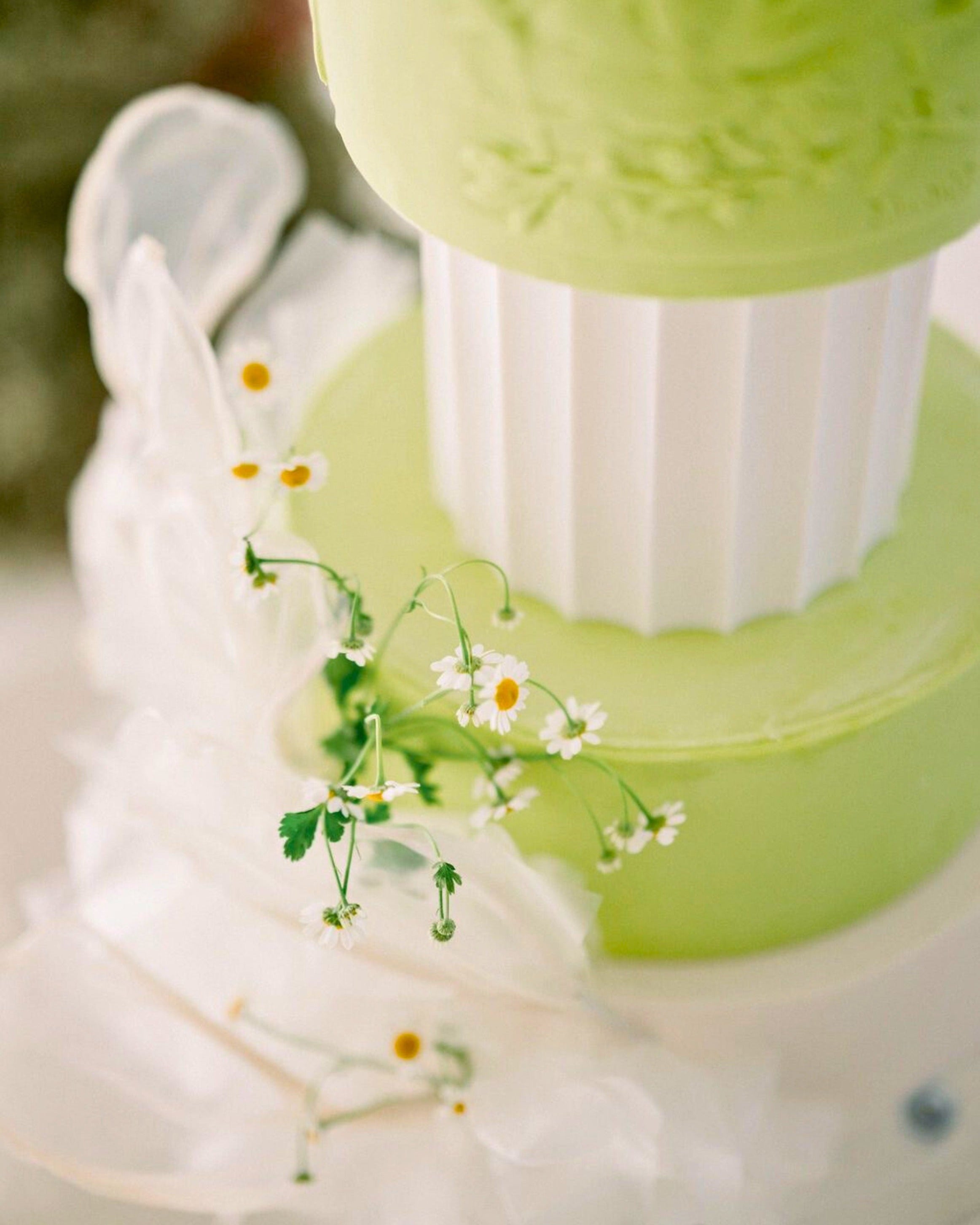
7 Steps to Improve Cake Photography for Bakers and Cake Decorators

As a baker or cake decorator, you know how much heart and soul goes into creating each cake. Whether it’s the perfect buttercream swirls, the elegant fondant details, or the stunning colour palette, your cakes are pieces of edible art! But how do you make sure your creations look just as amazing in photos as they do in person? Good cake photography is key, and the good news is—you don’t need to be a professional photographer to take gorgeous shots!

In this blog post, I’ll share 7 simple and effective steps to help you improve your cake photos and show off your baking masterpieces in the best light (pun intended!). From background choices, incorporating props and editing… These steps are a surefire way to transform your cake photos. Let’s get started!

1. Let There Be Light! (Natural Light is Your Best Friend)

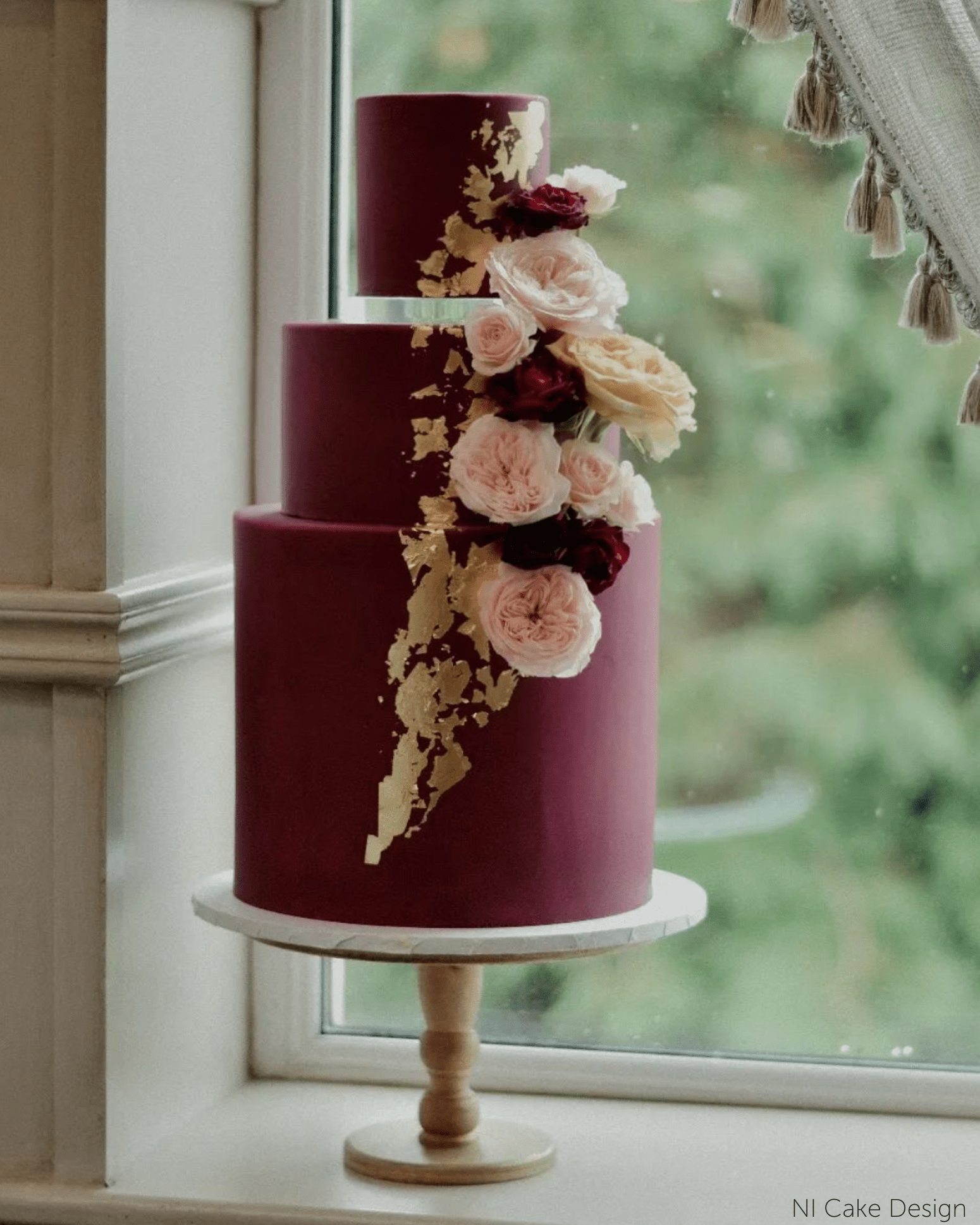
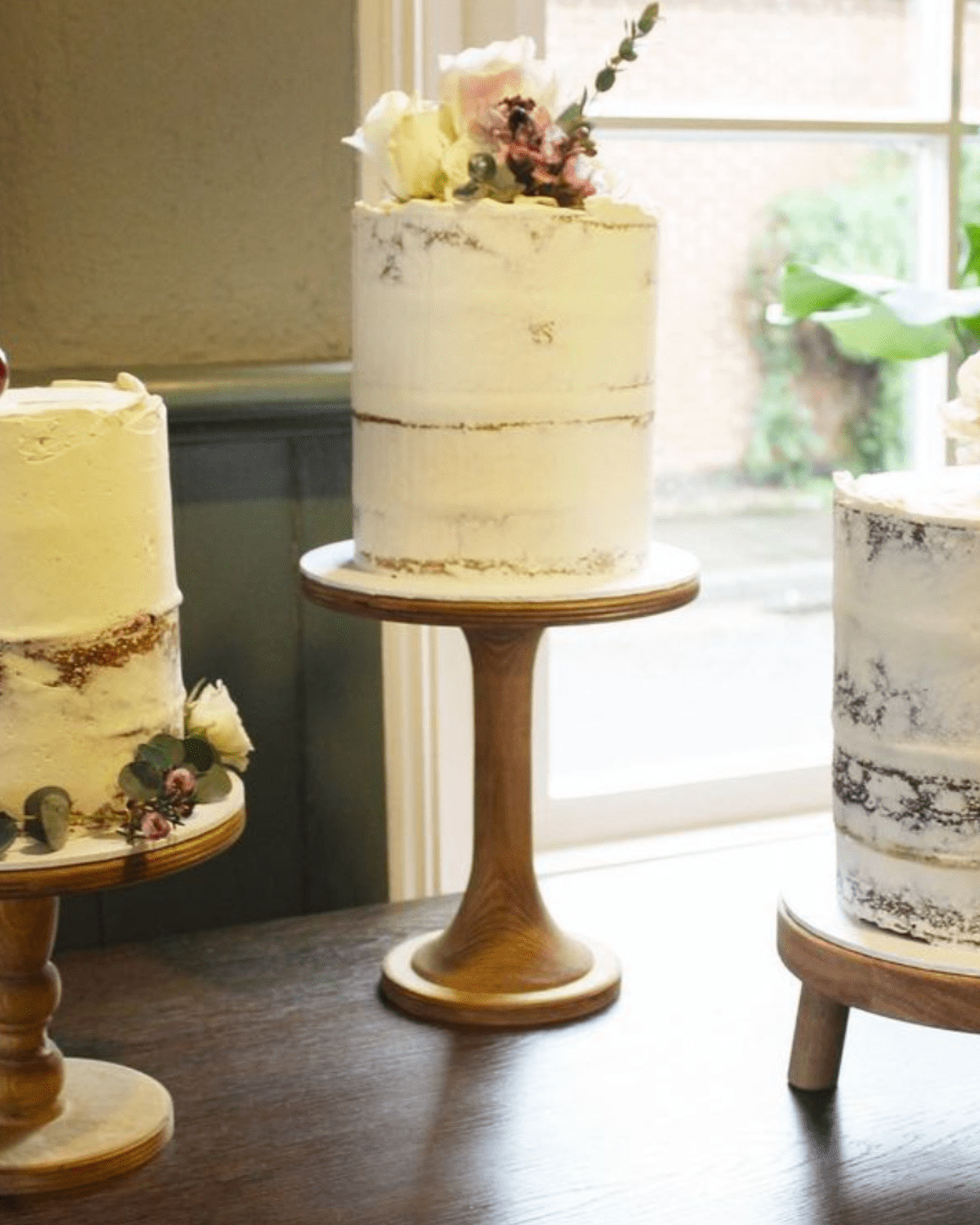
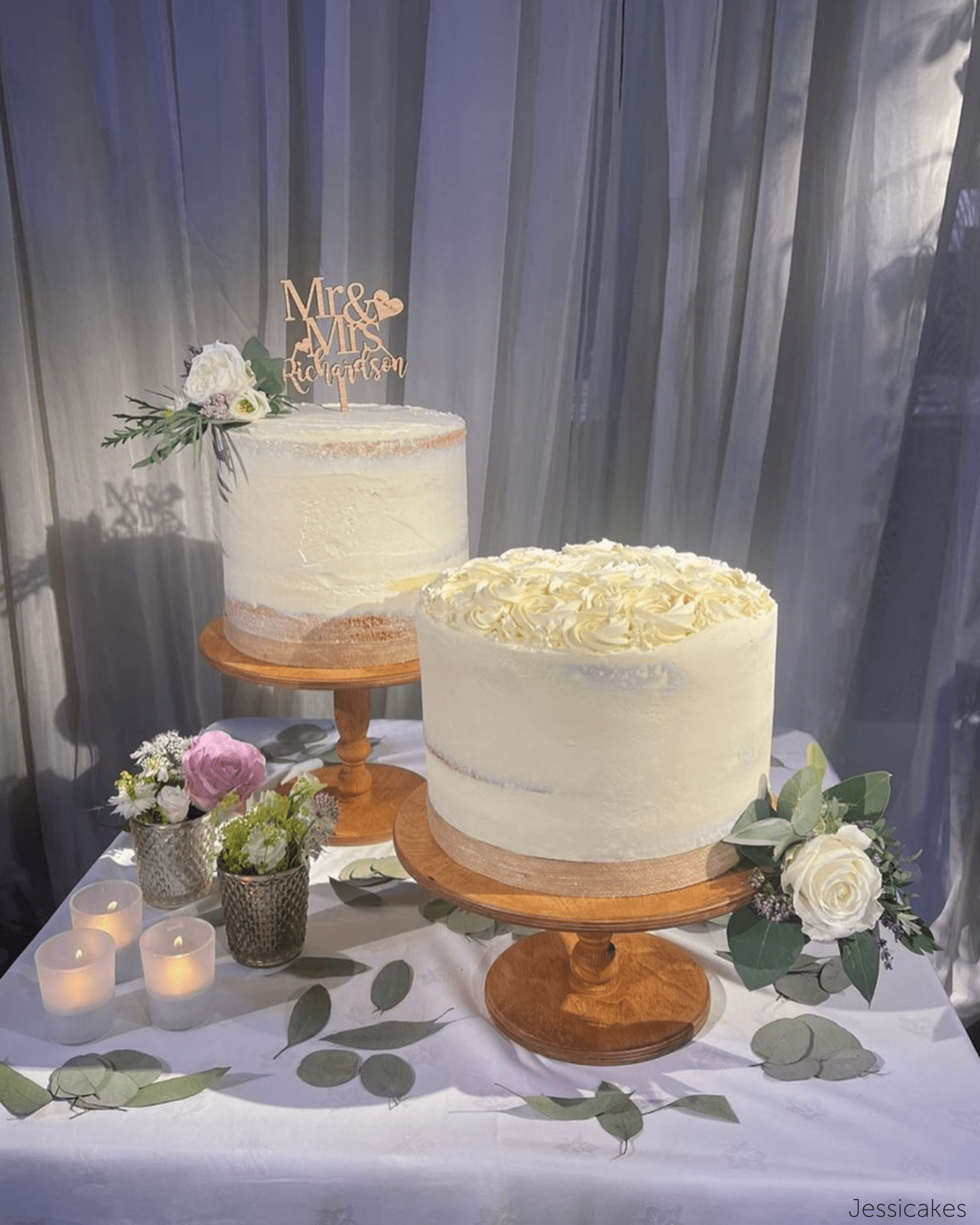
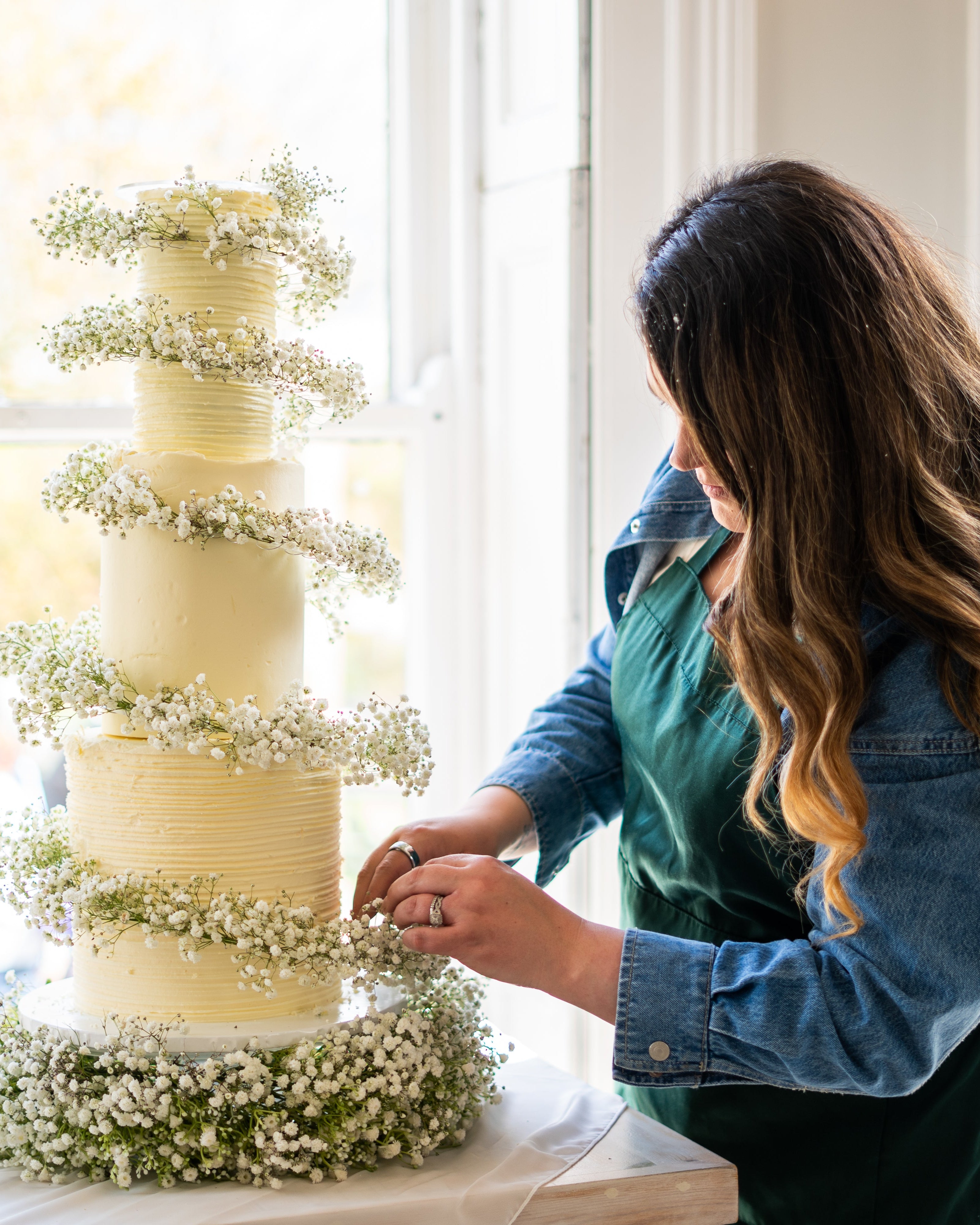
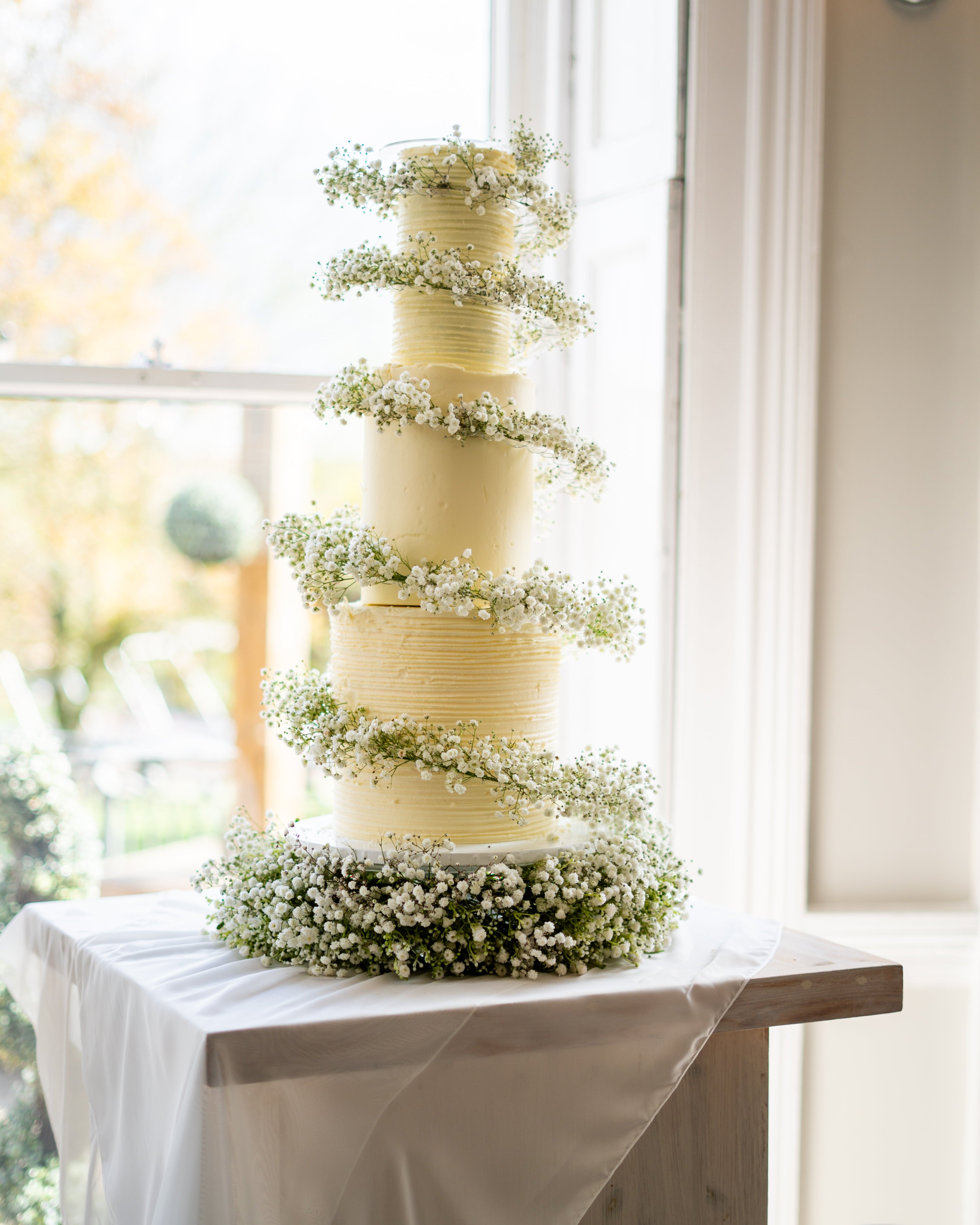
The first rule of great cake photography is lighting, lighting, and more lighting! You don’t need fancy studio lights to take beautiful photos; natural light works wonders. Find a spot by a window where the light is soft and even. If it’s a sunny day, throw up a sheer curtain to diffuse the light and avoid harsh shadows.

Pro tip: Early mornings or late afternoons often offer the best natural light. If you're using a phone, try tapping on the cake in your camera’s focus area to make sure the colors pop!

2. Choose a Simple, Clean Background

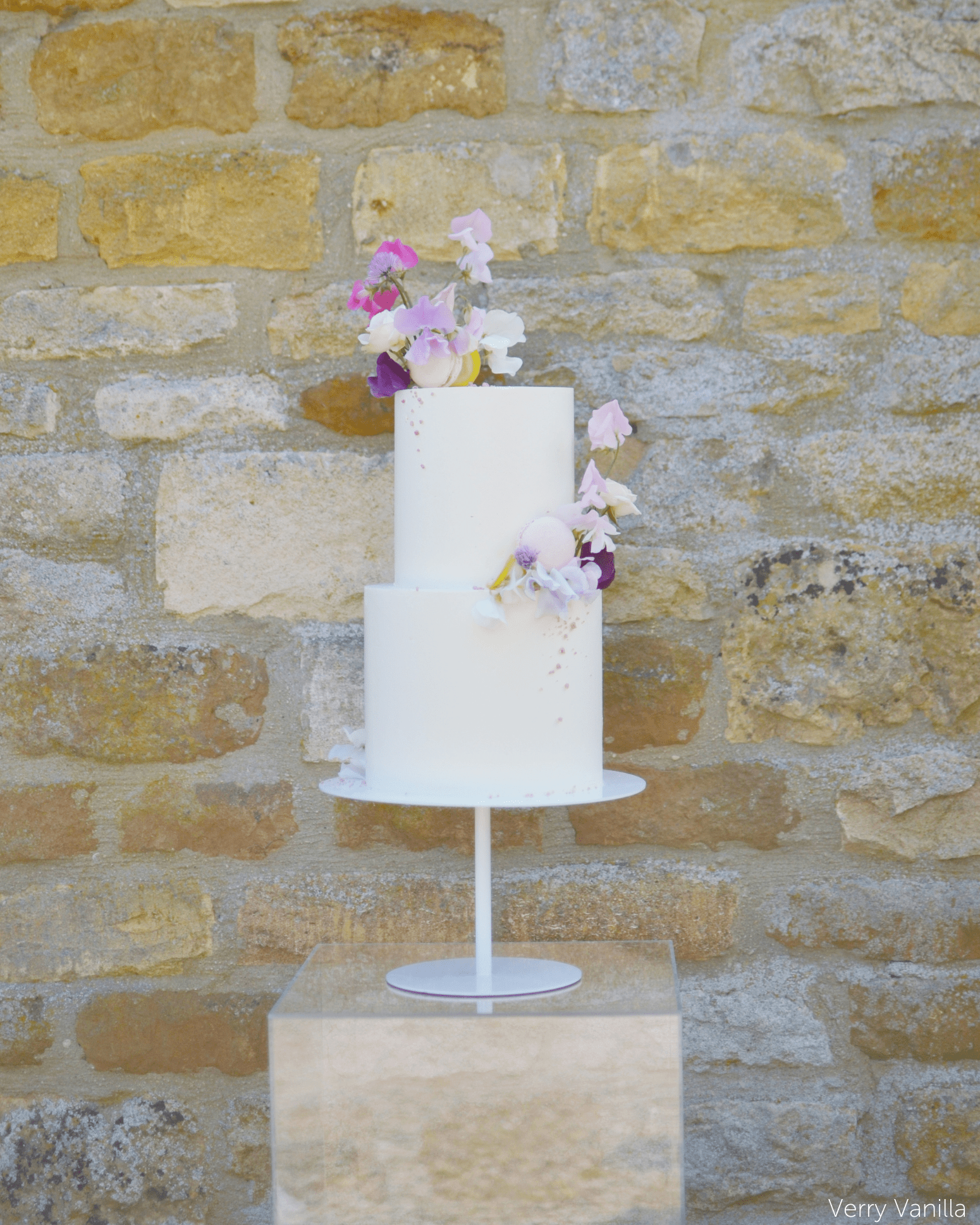
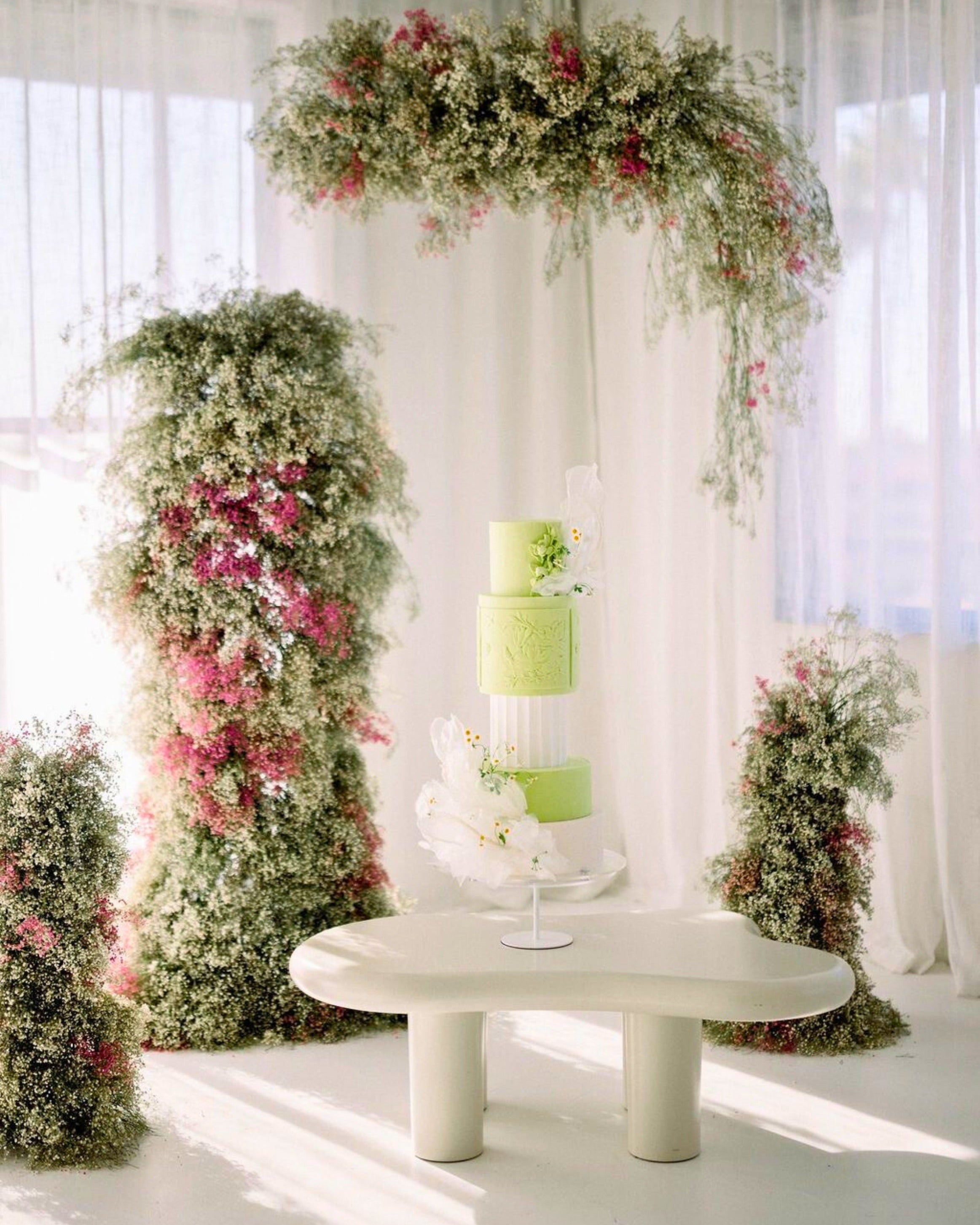
You know how the saying goes—keep it simple! The same goes for your background. If your cake is the star, the background should play the role of supporting actor, not steal the spotlight. Think white walls, wooden tables, or a soft fabric backdrop. If you’re feeling creative, go for a pop of color or textured backgrounds like marble or stone. Just keep it subtle—your cake is the real showstopper!

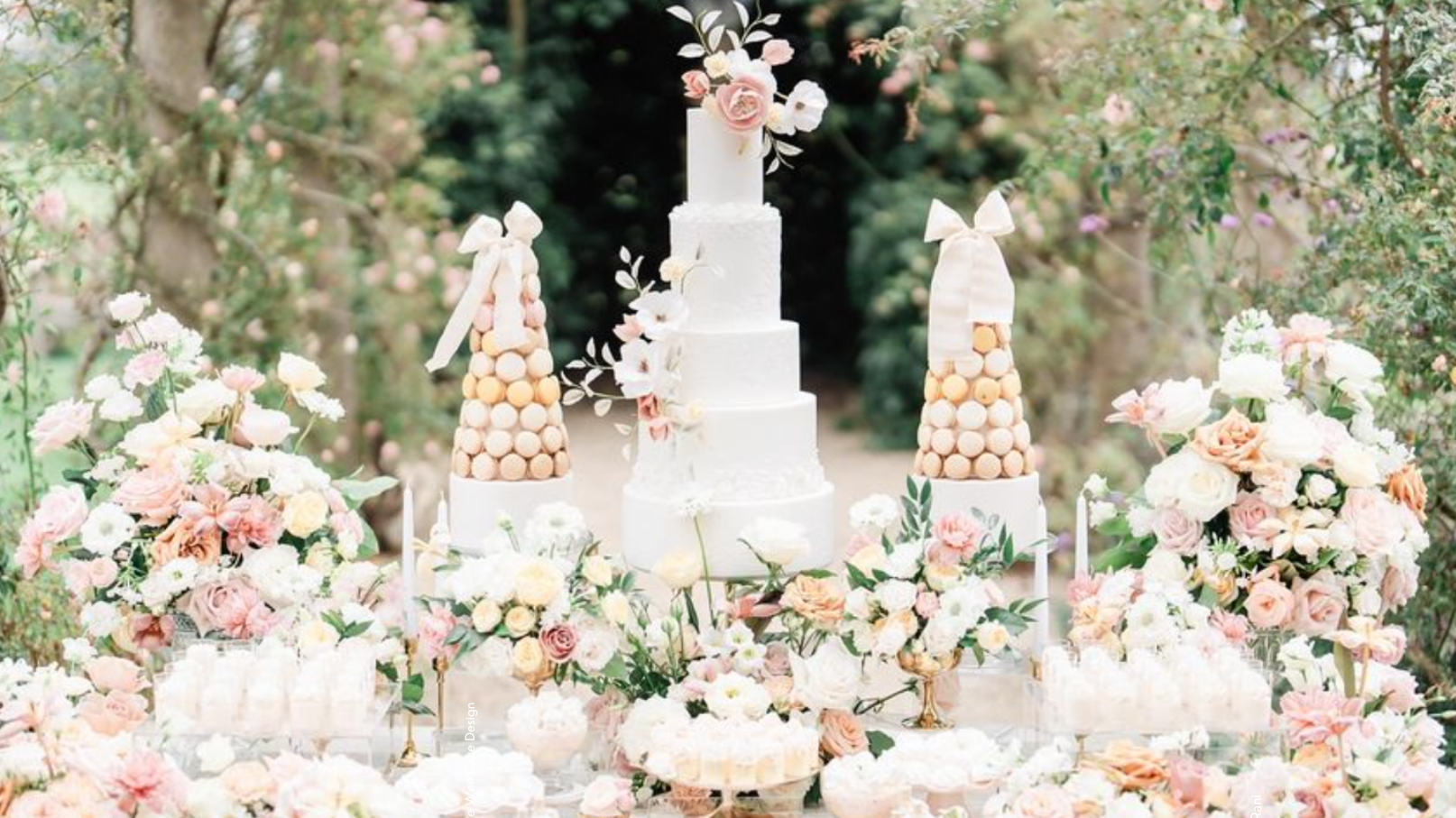
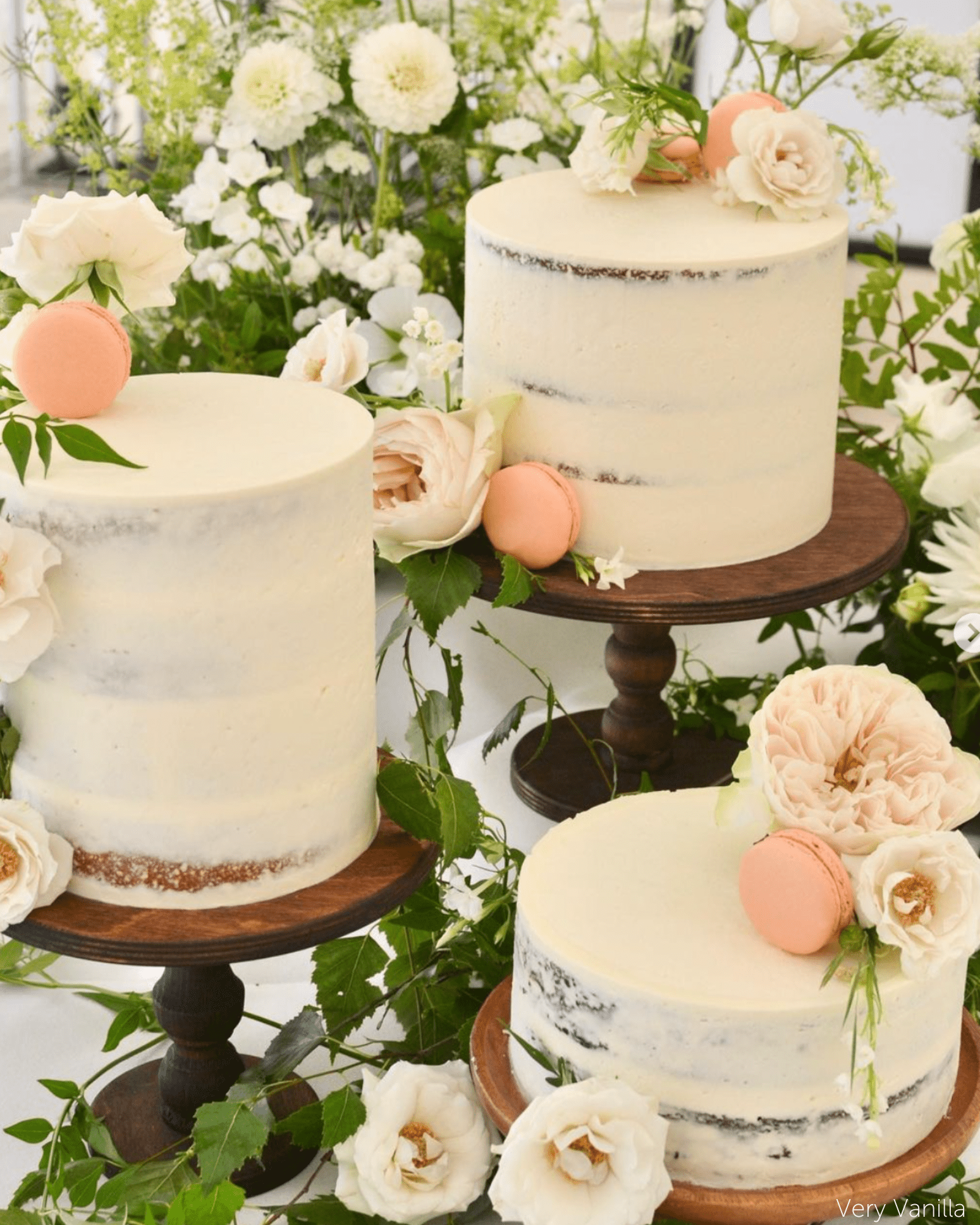
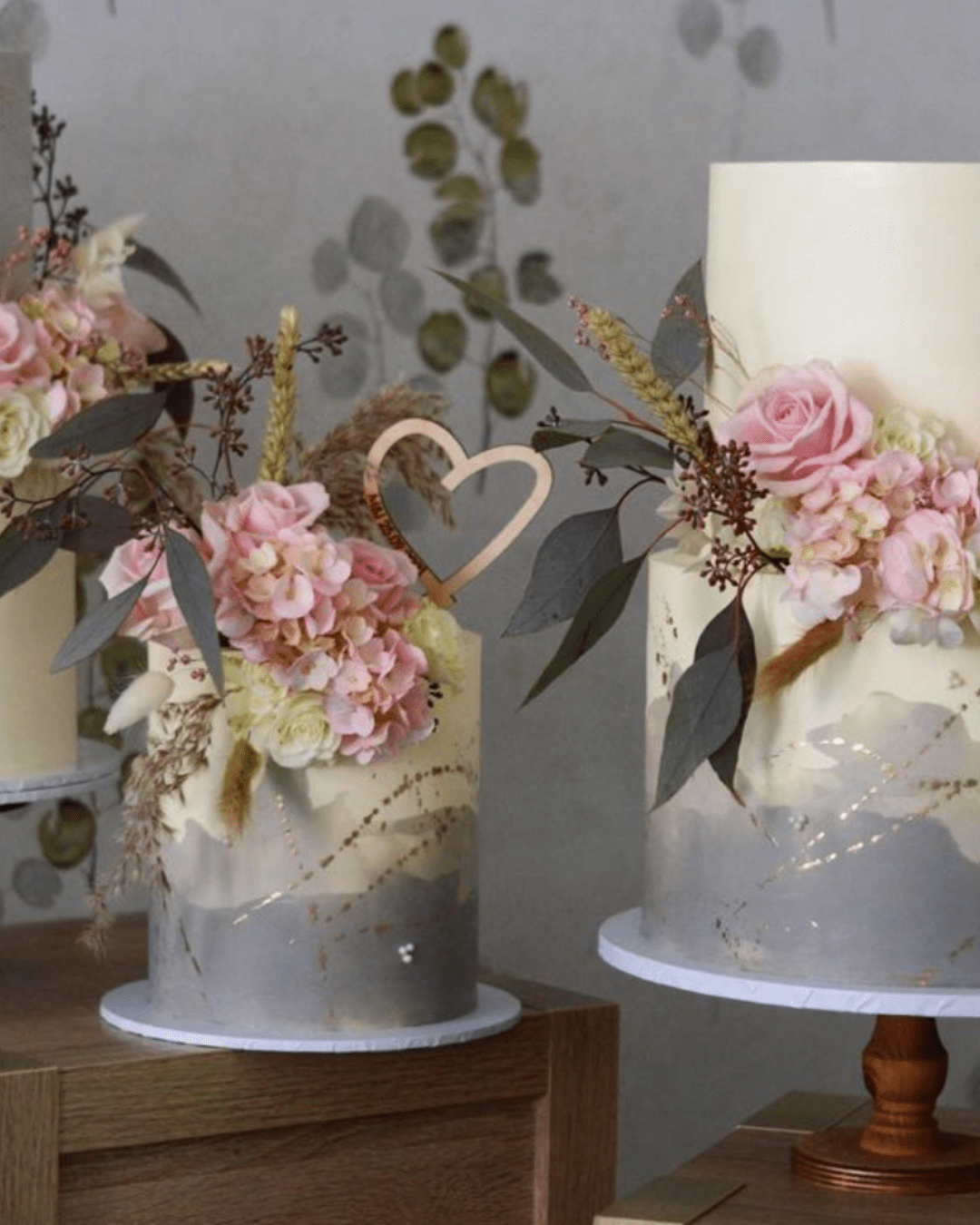
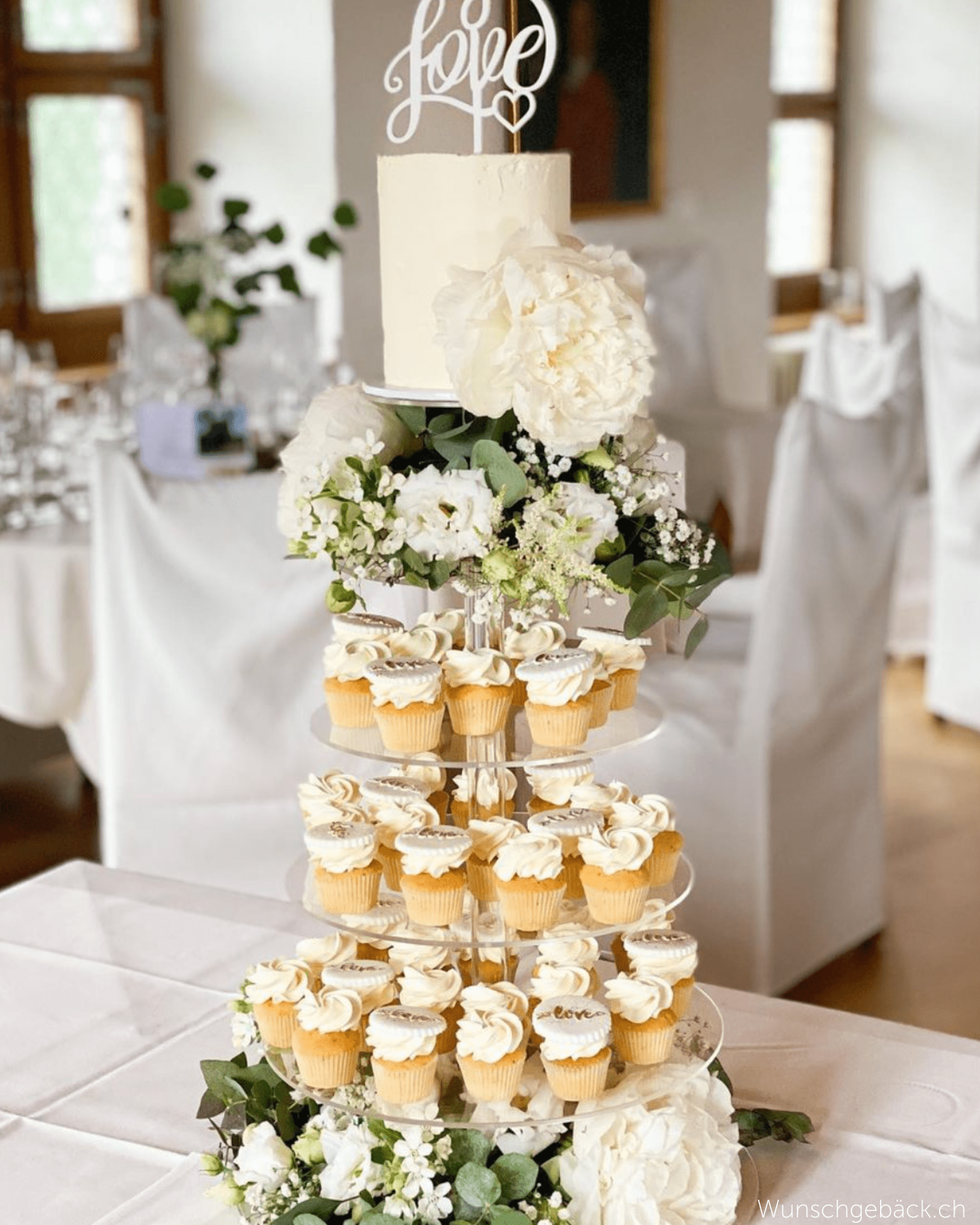
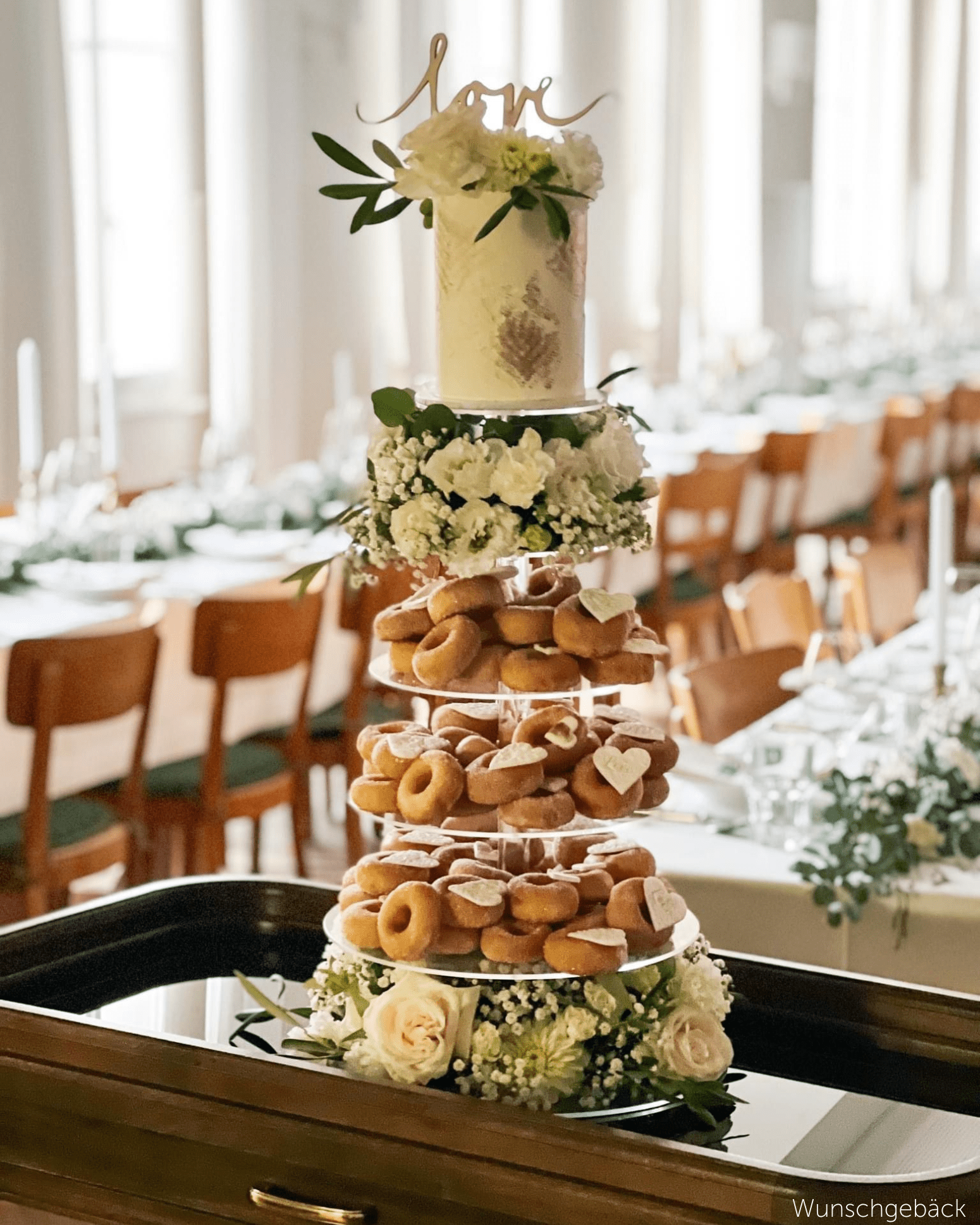
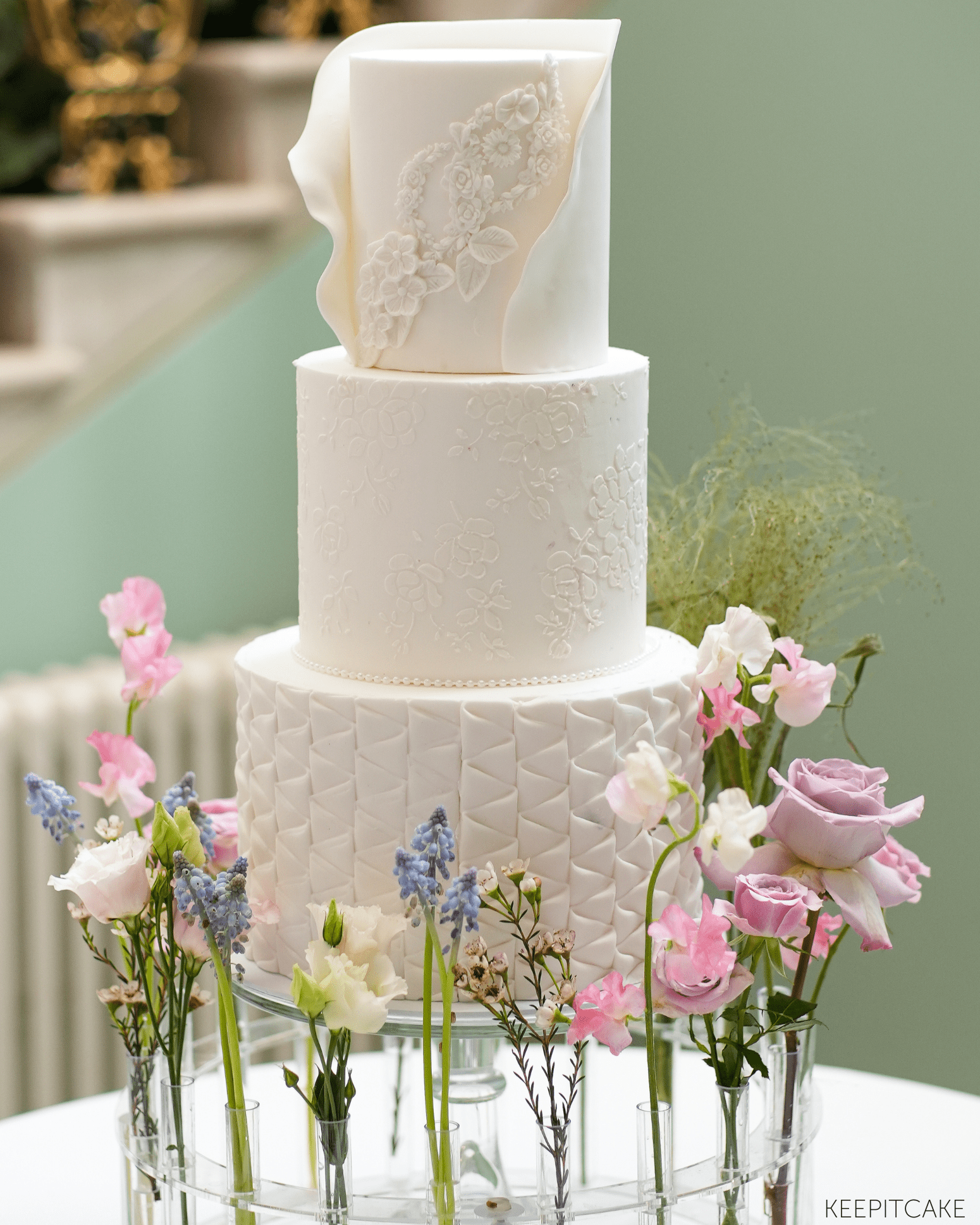
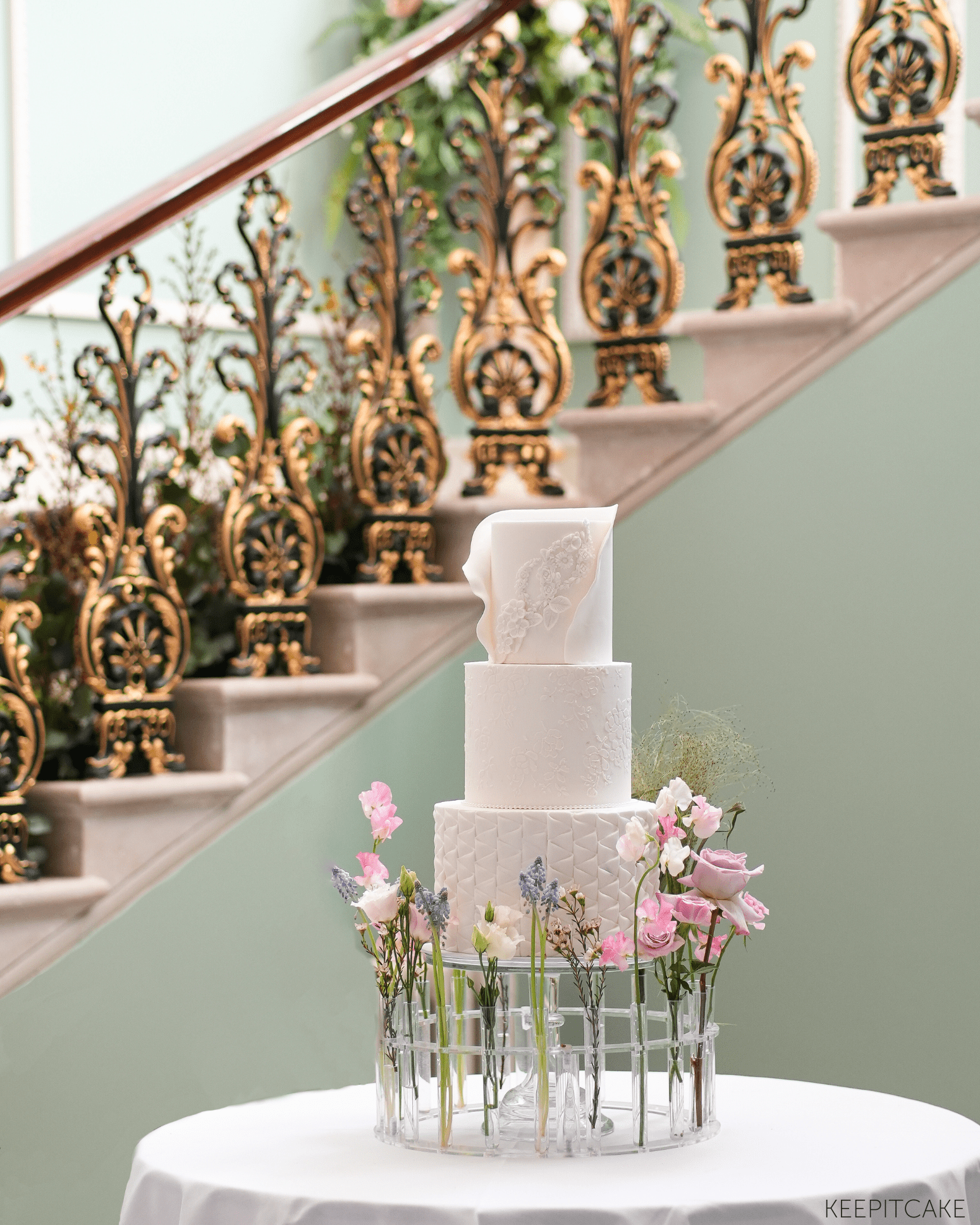
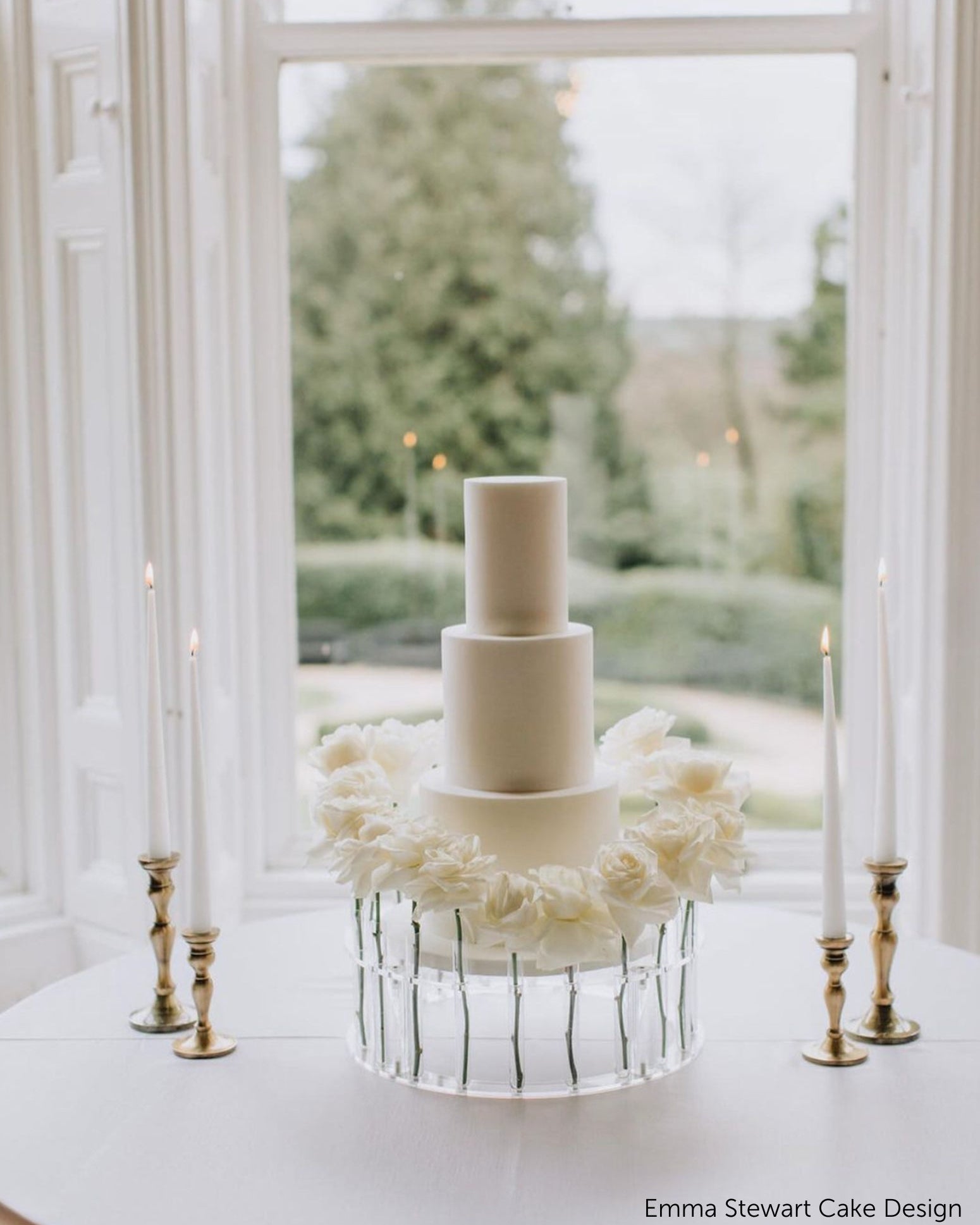
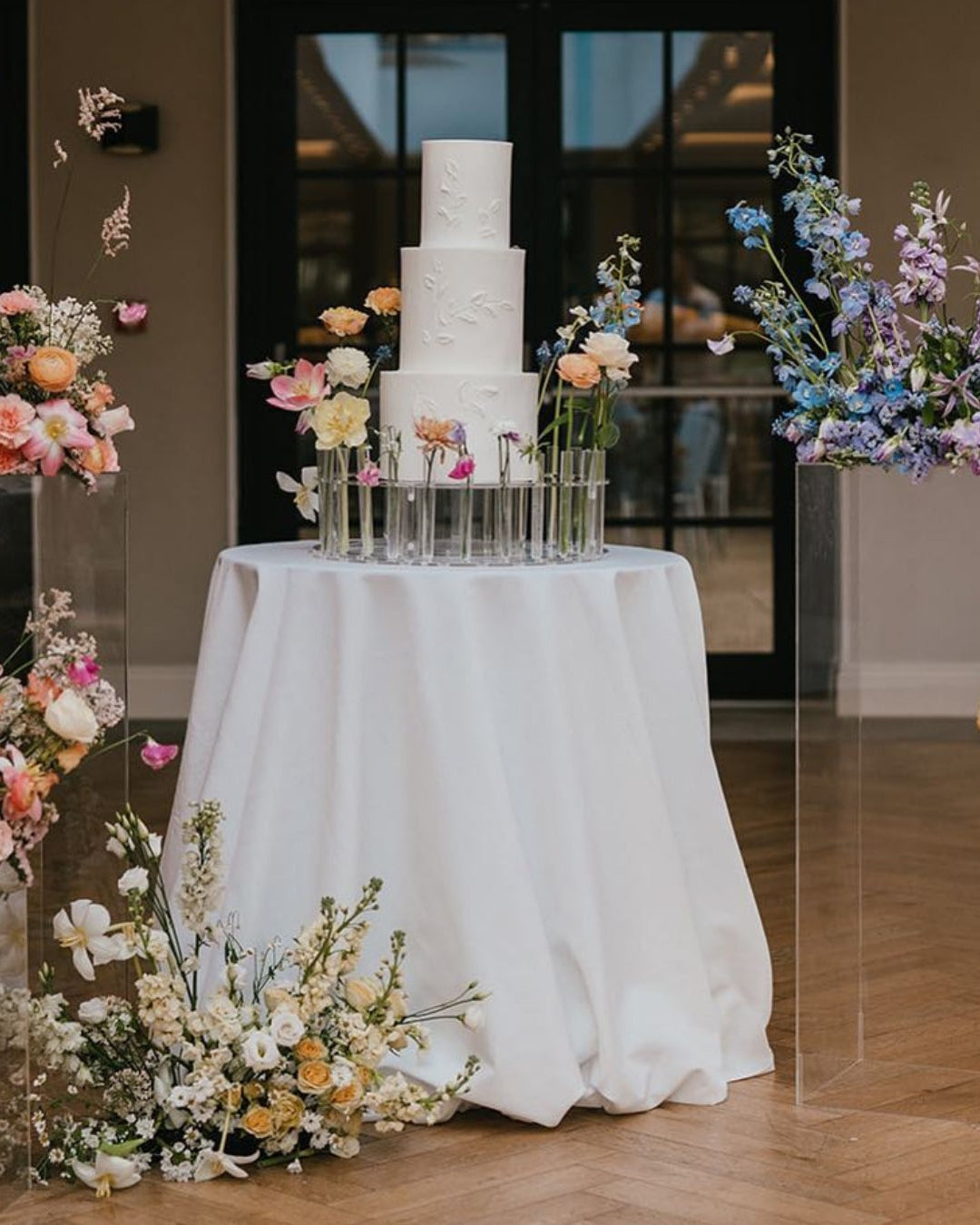
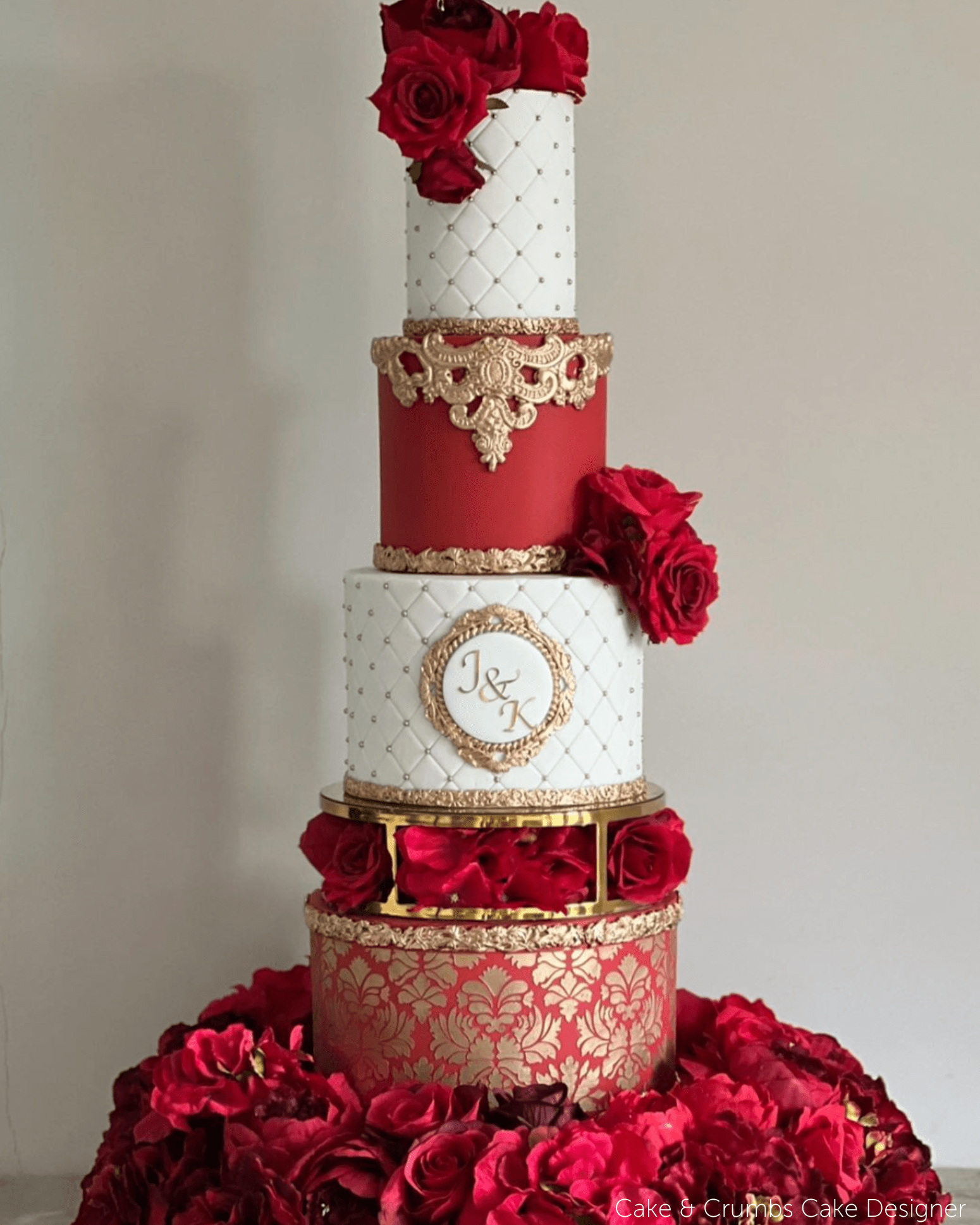
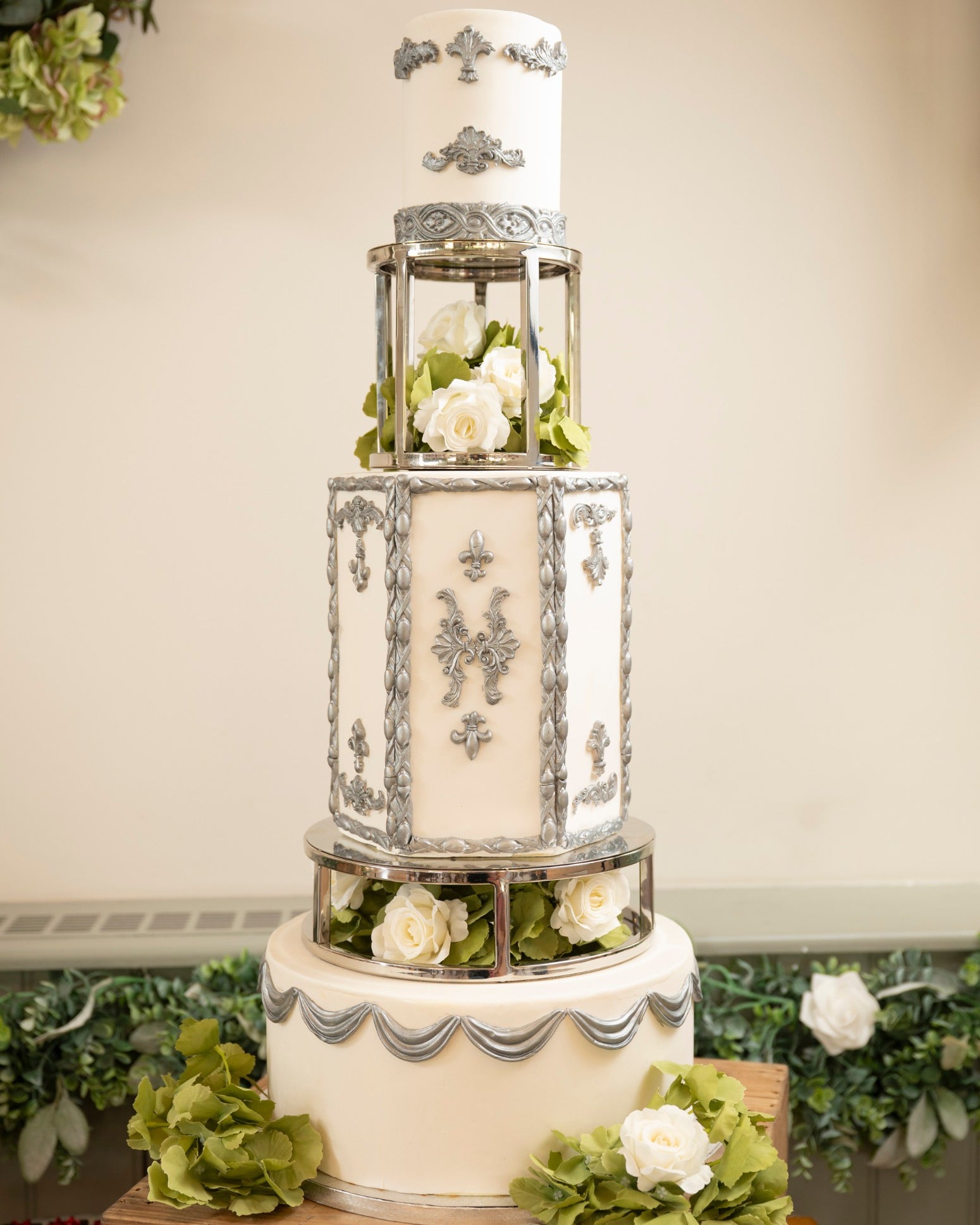
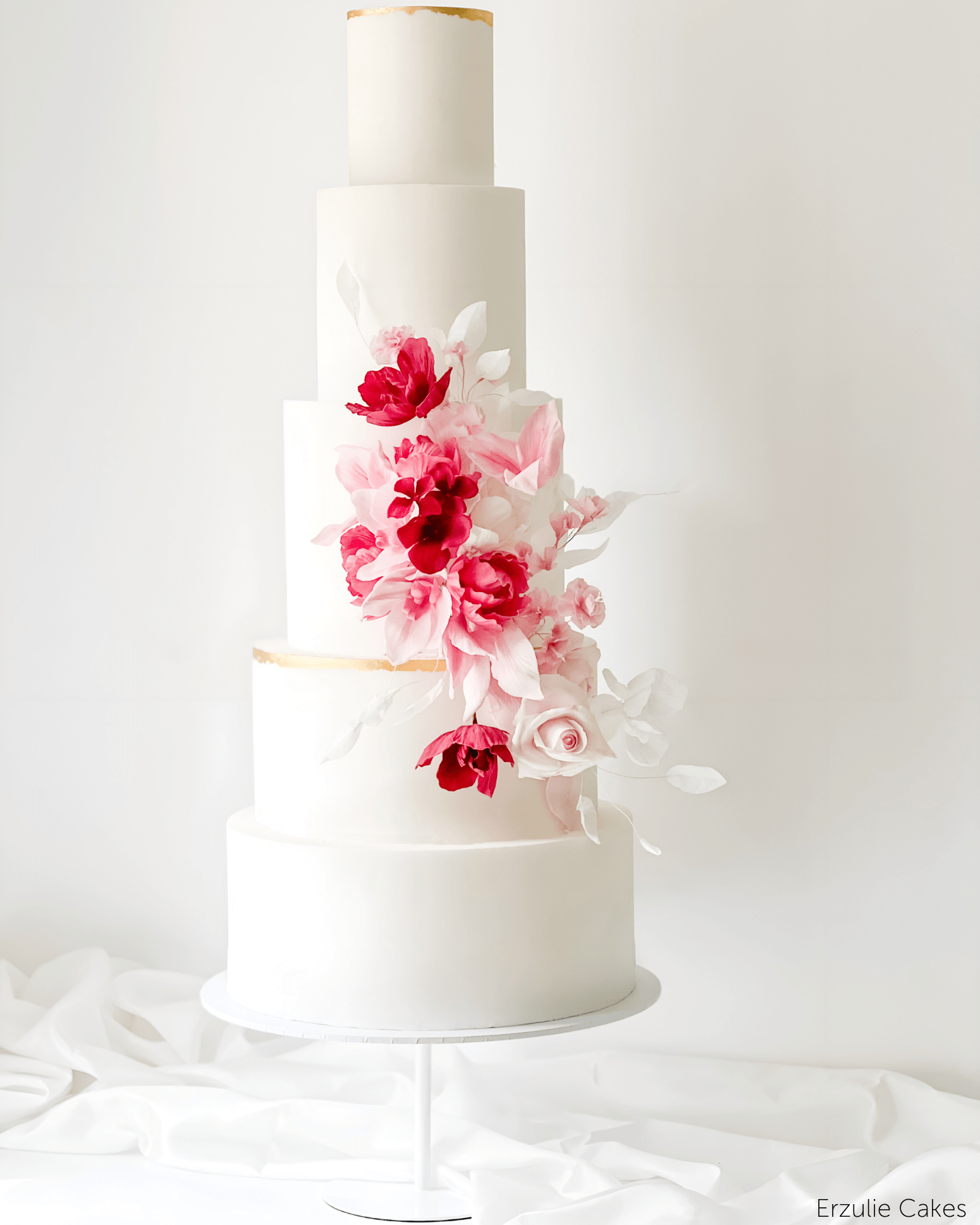
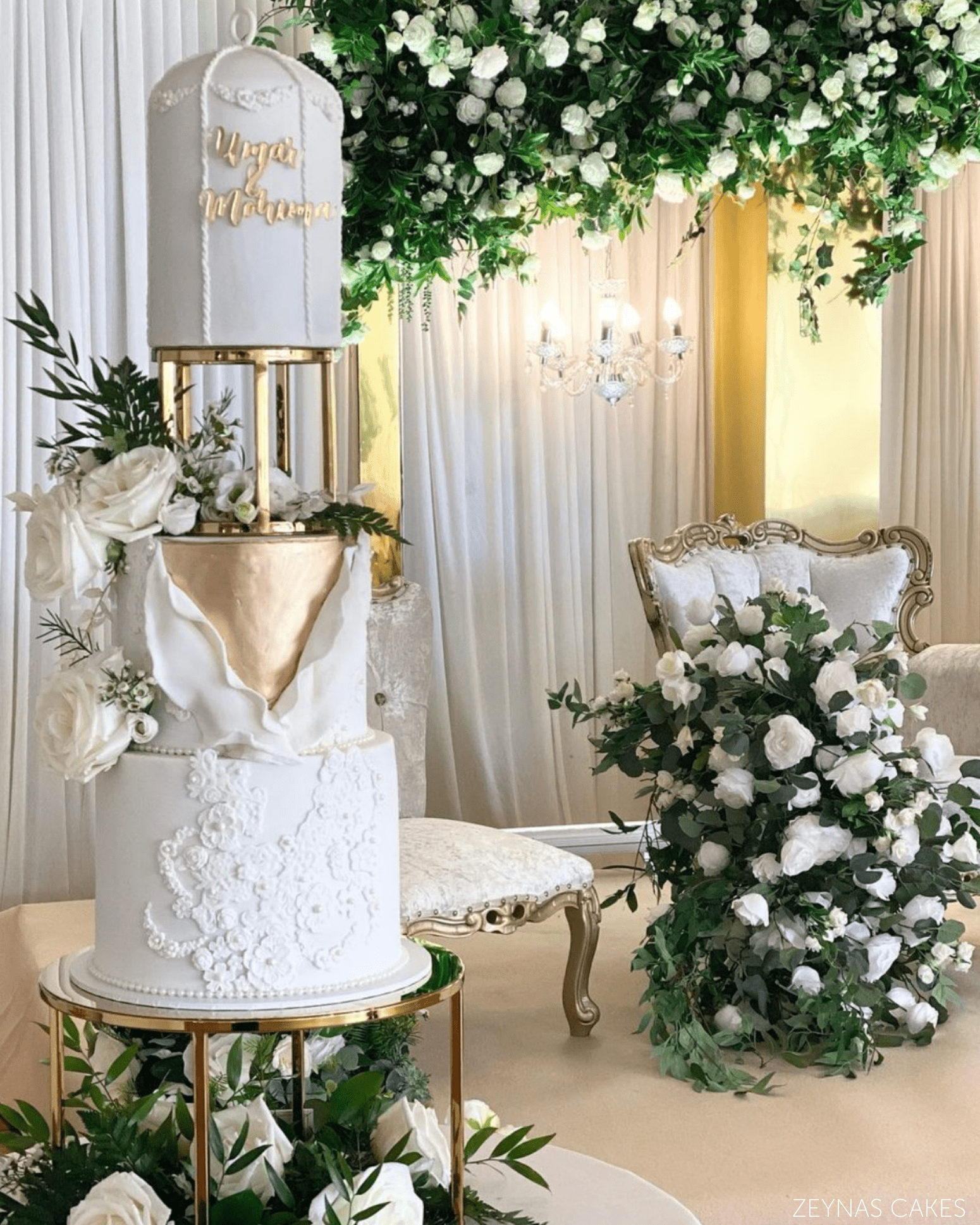
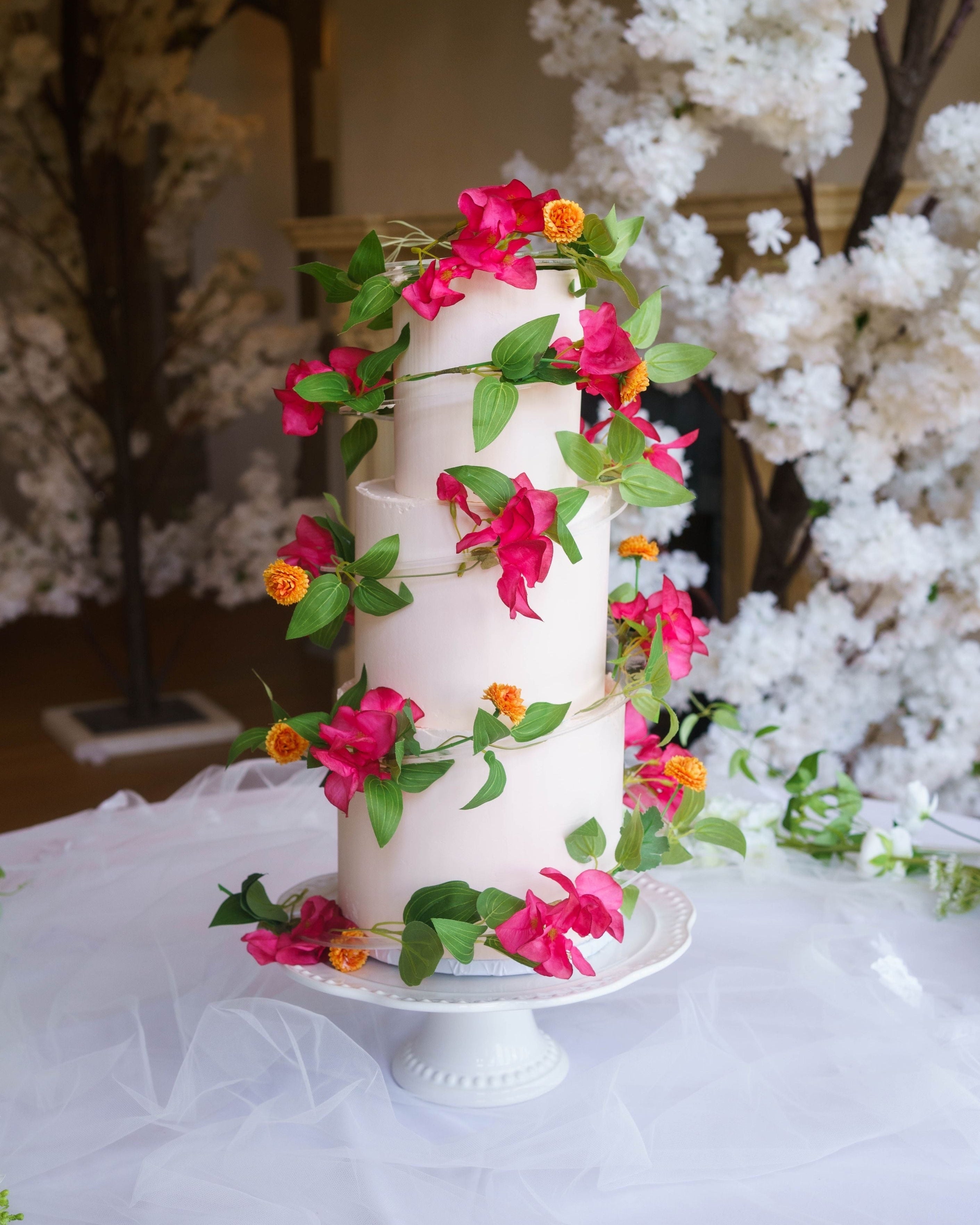
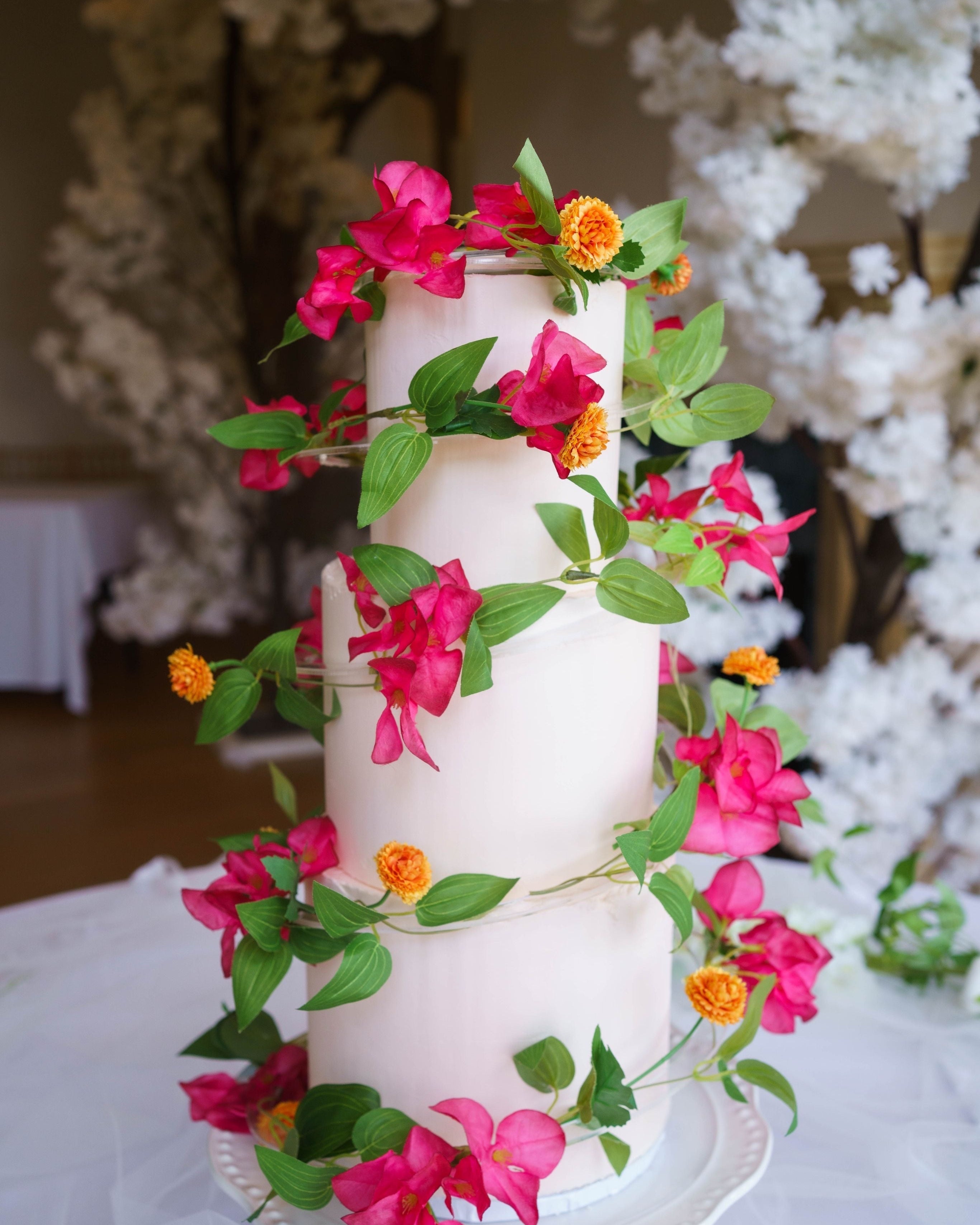
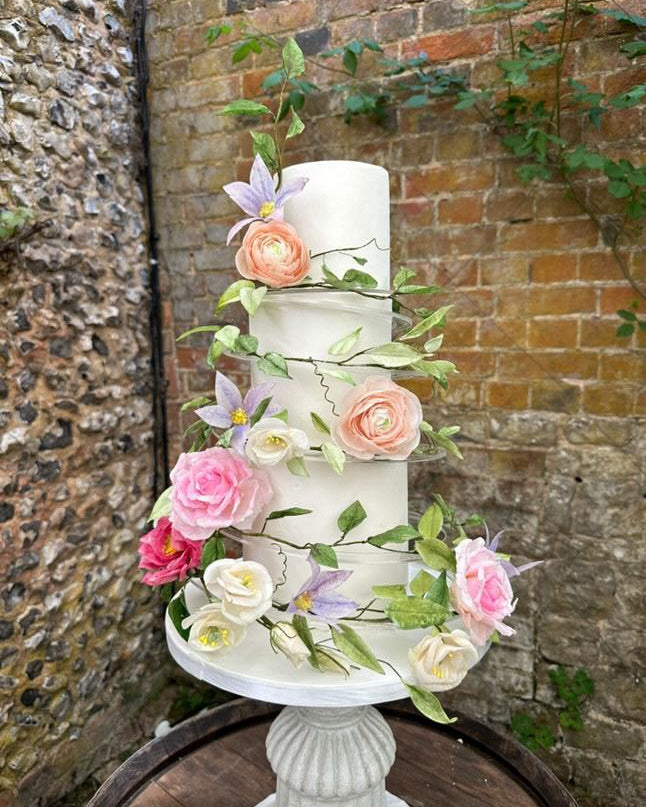
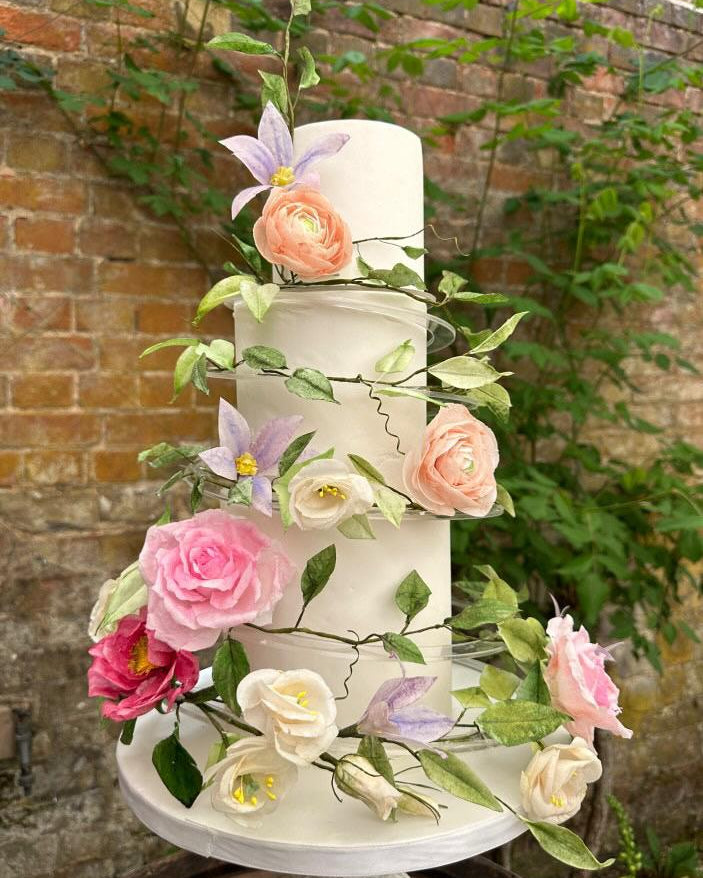
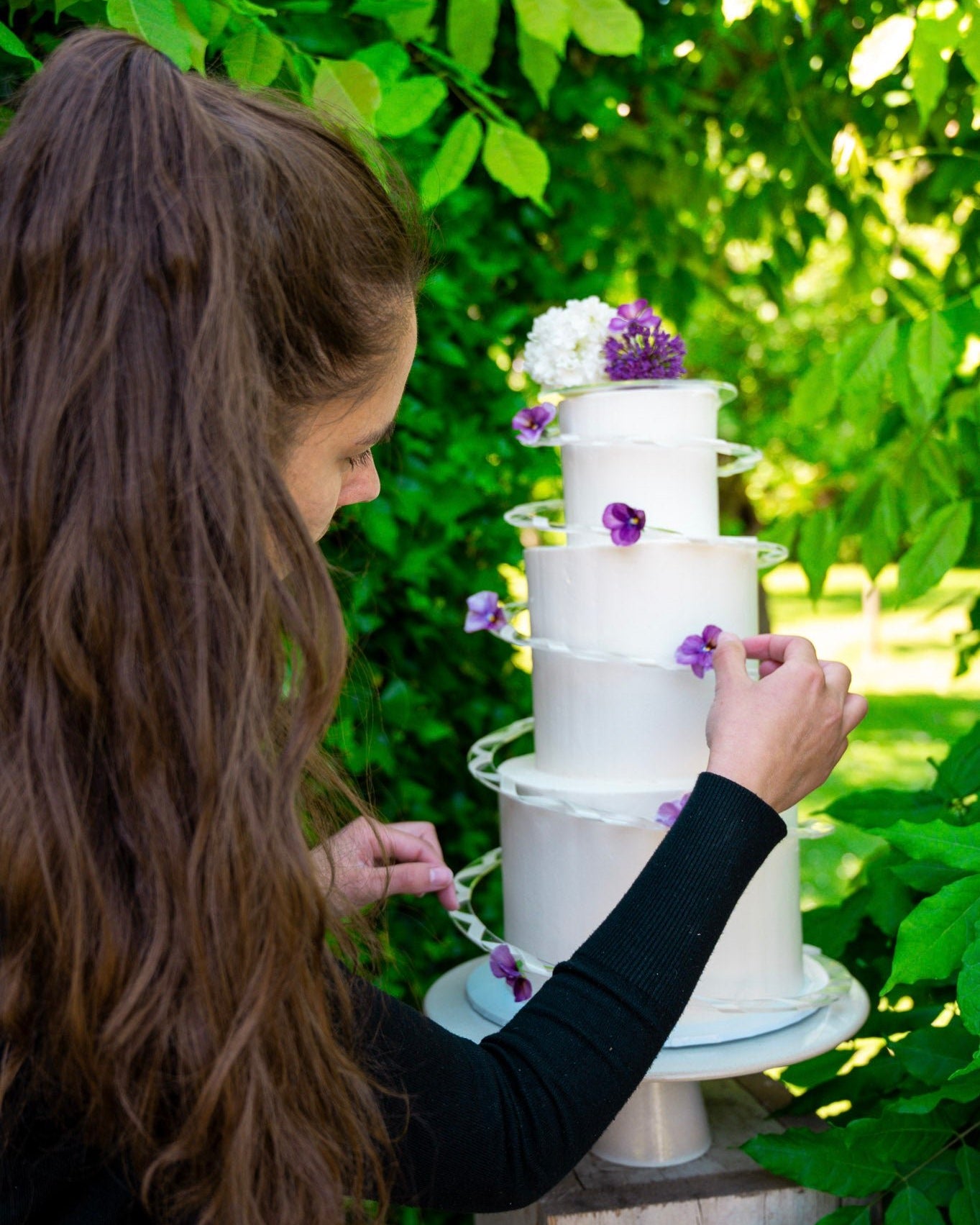
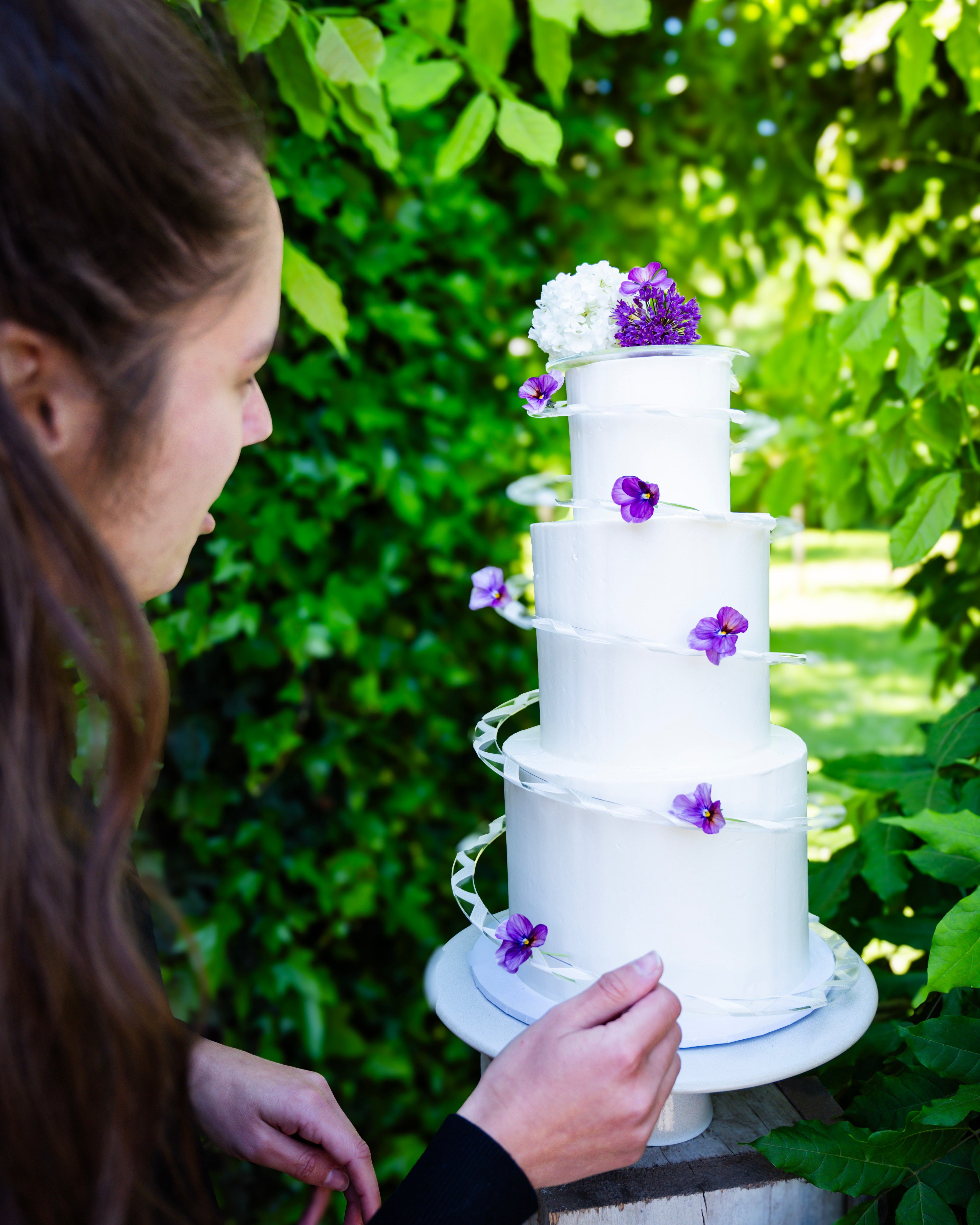
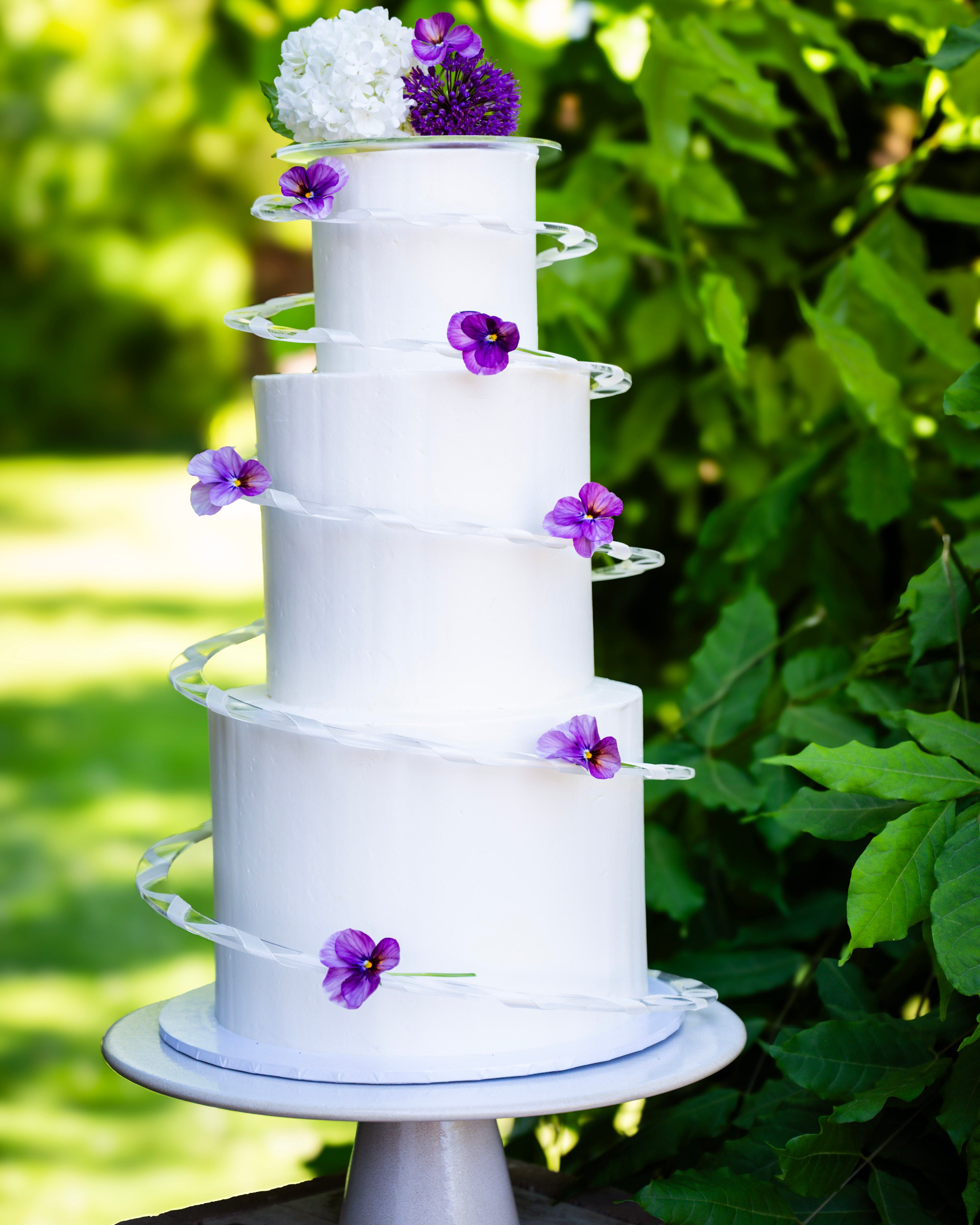
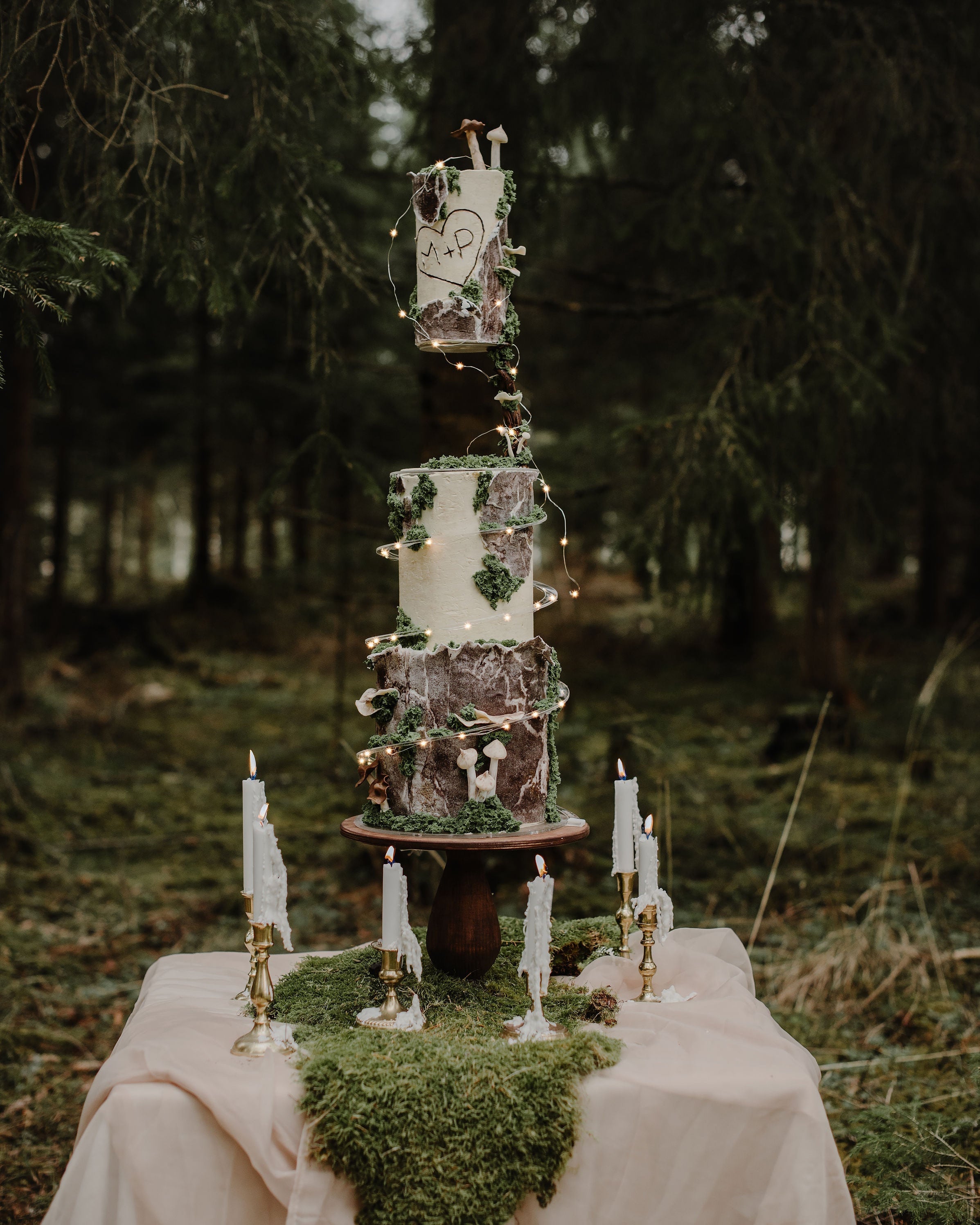
If you're photographing a wedding cake, for instance, a few flowers or greenery can enhance the image without taking away from the design.

3. Use Props (the right ones!)

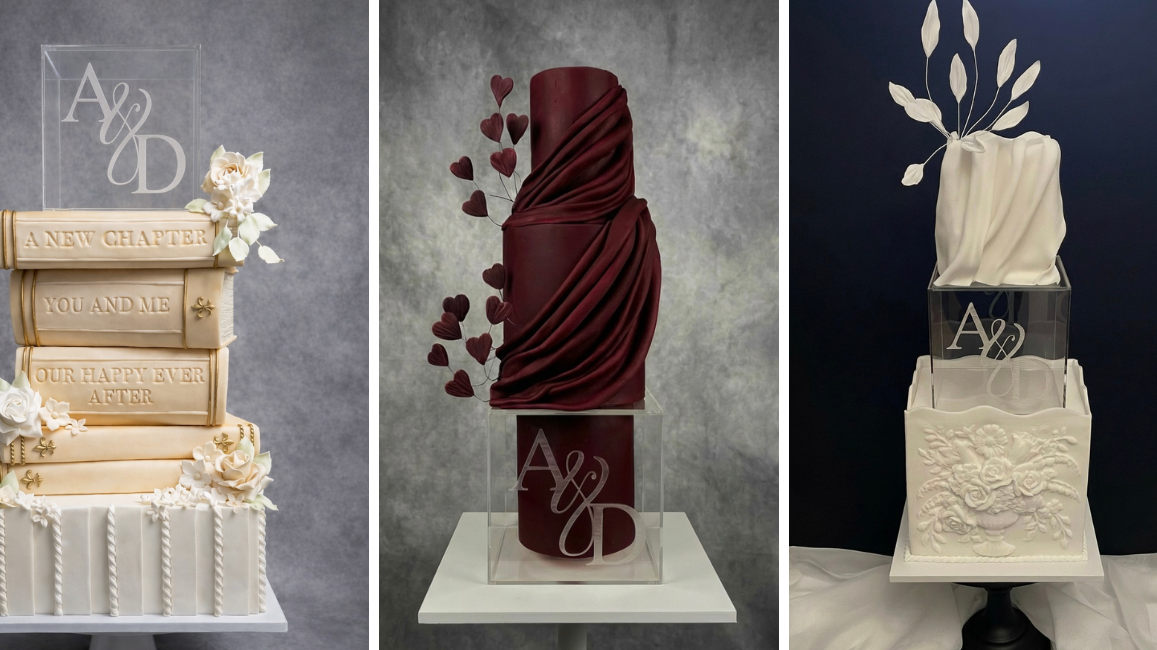
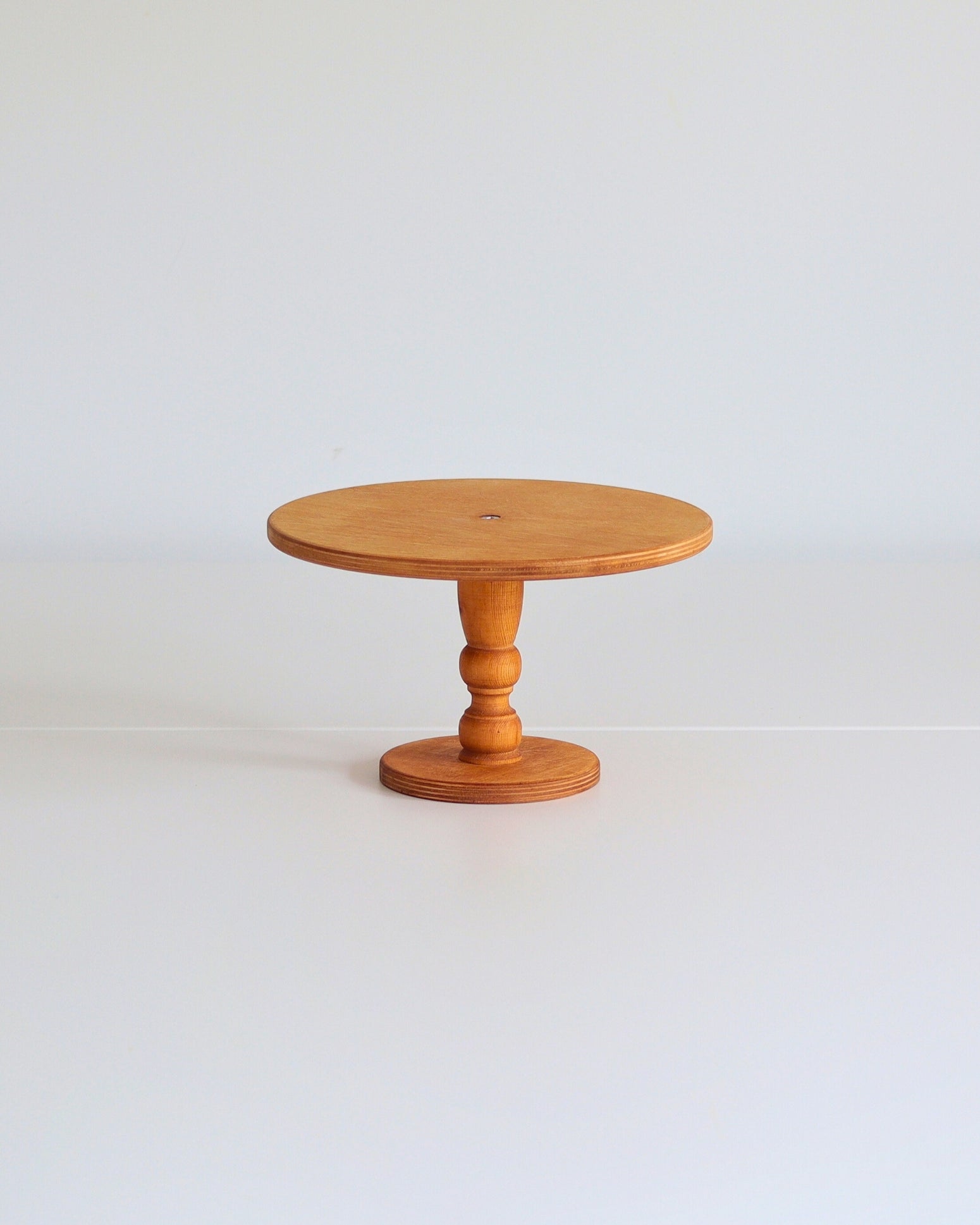
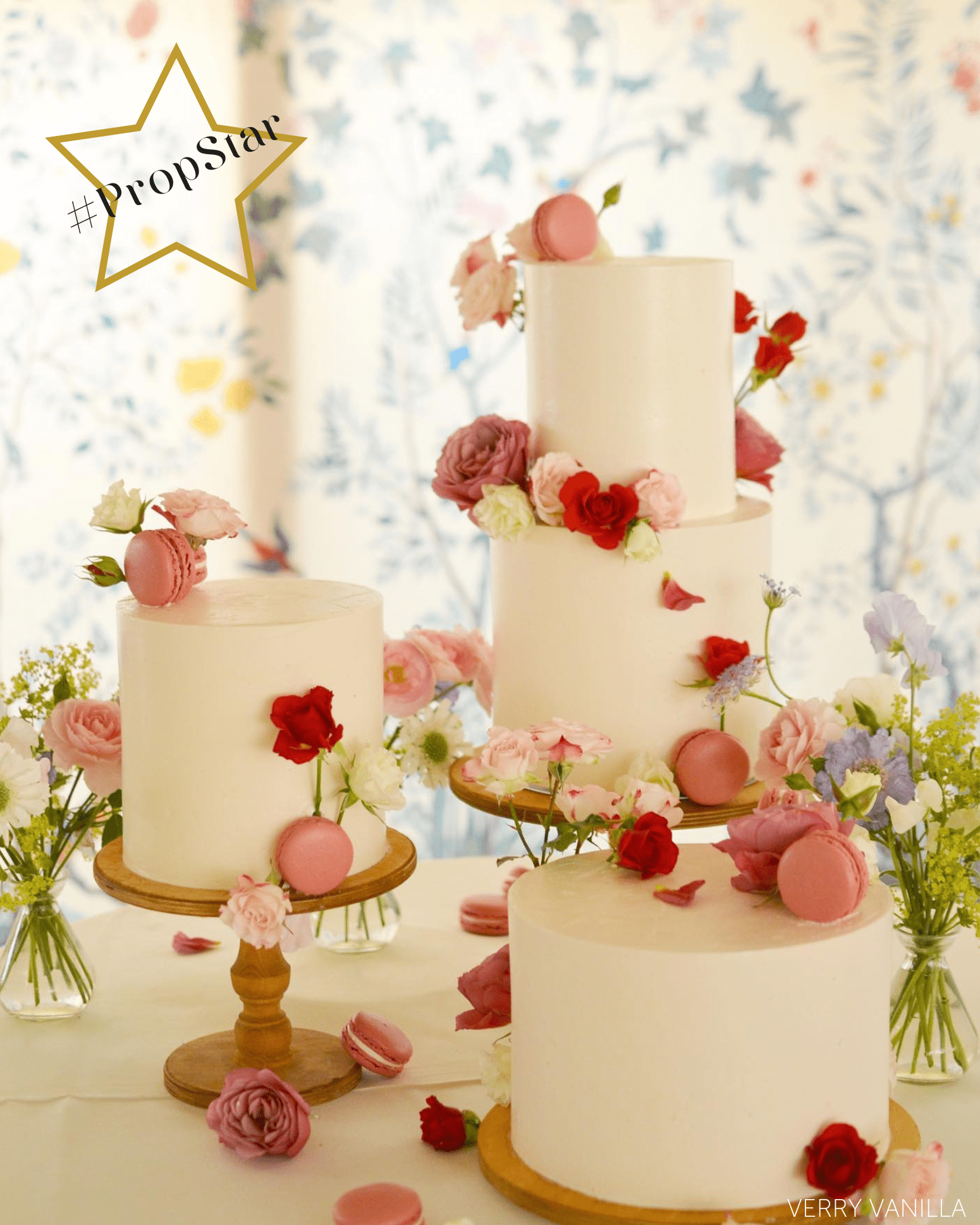
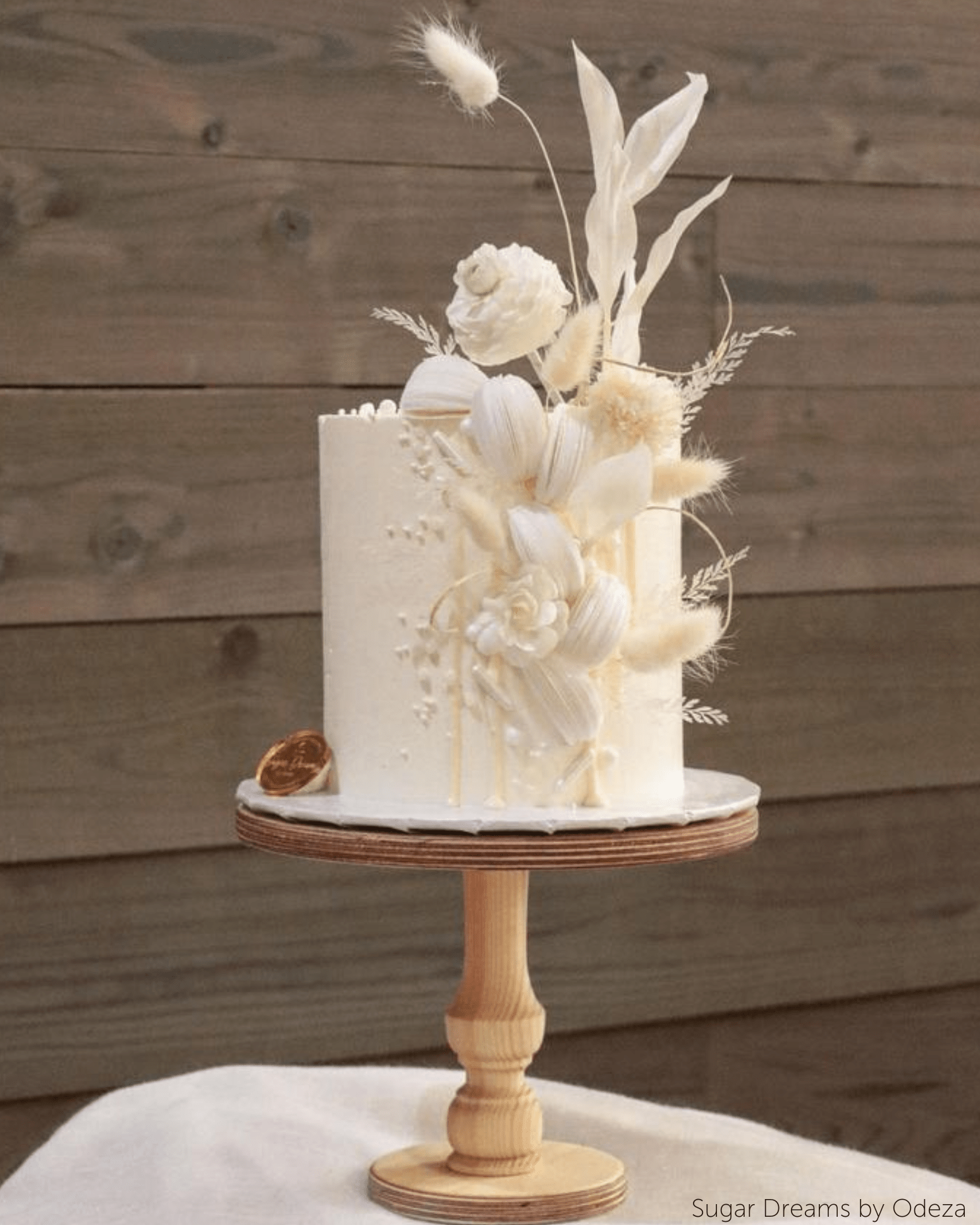
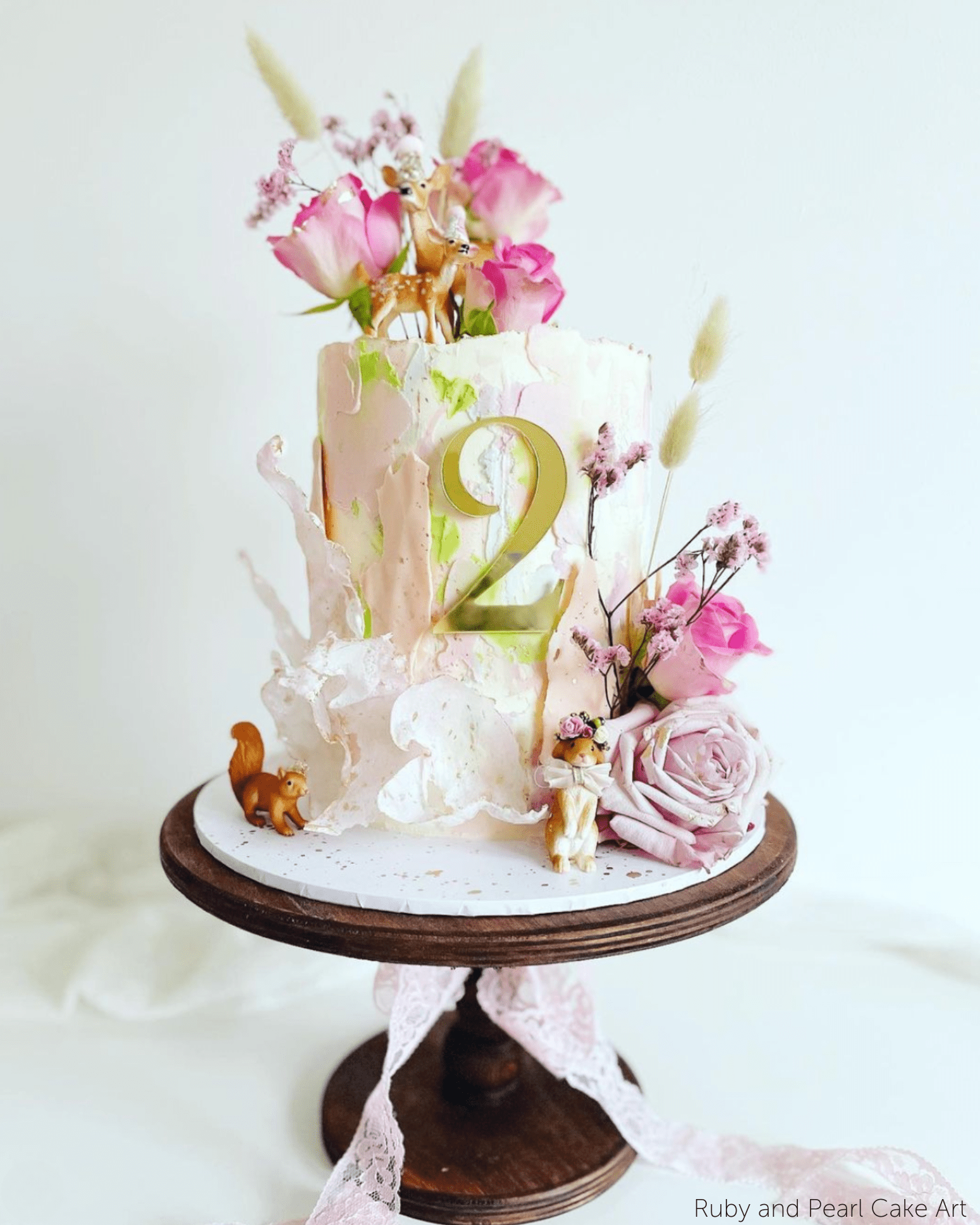
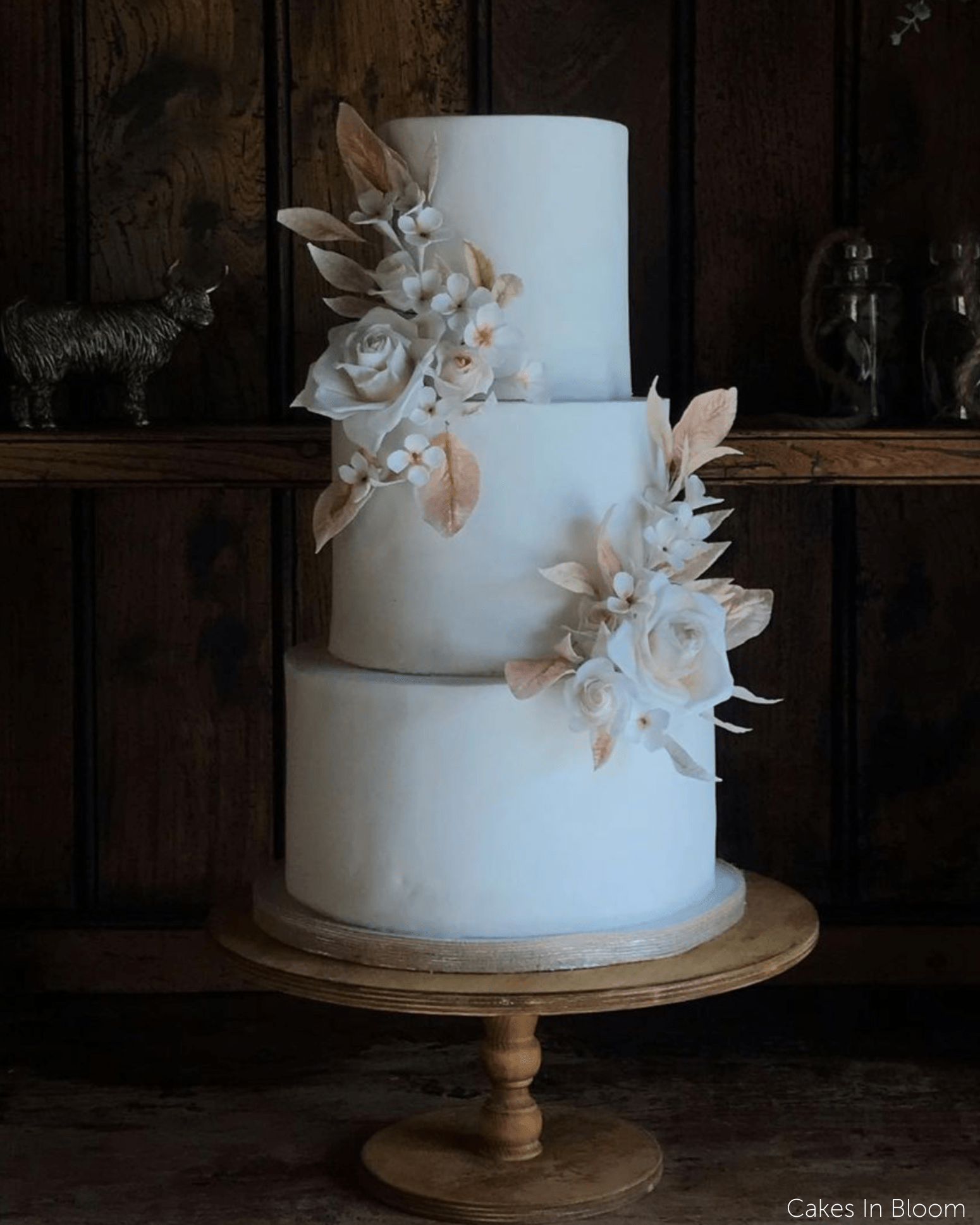
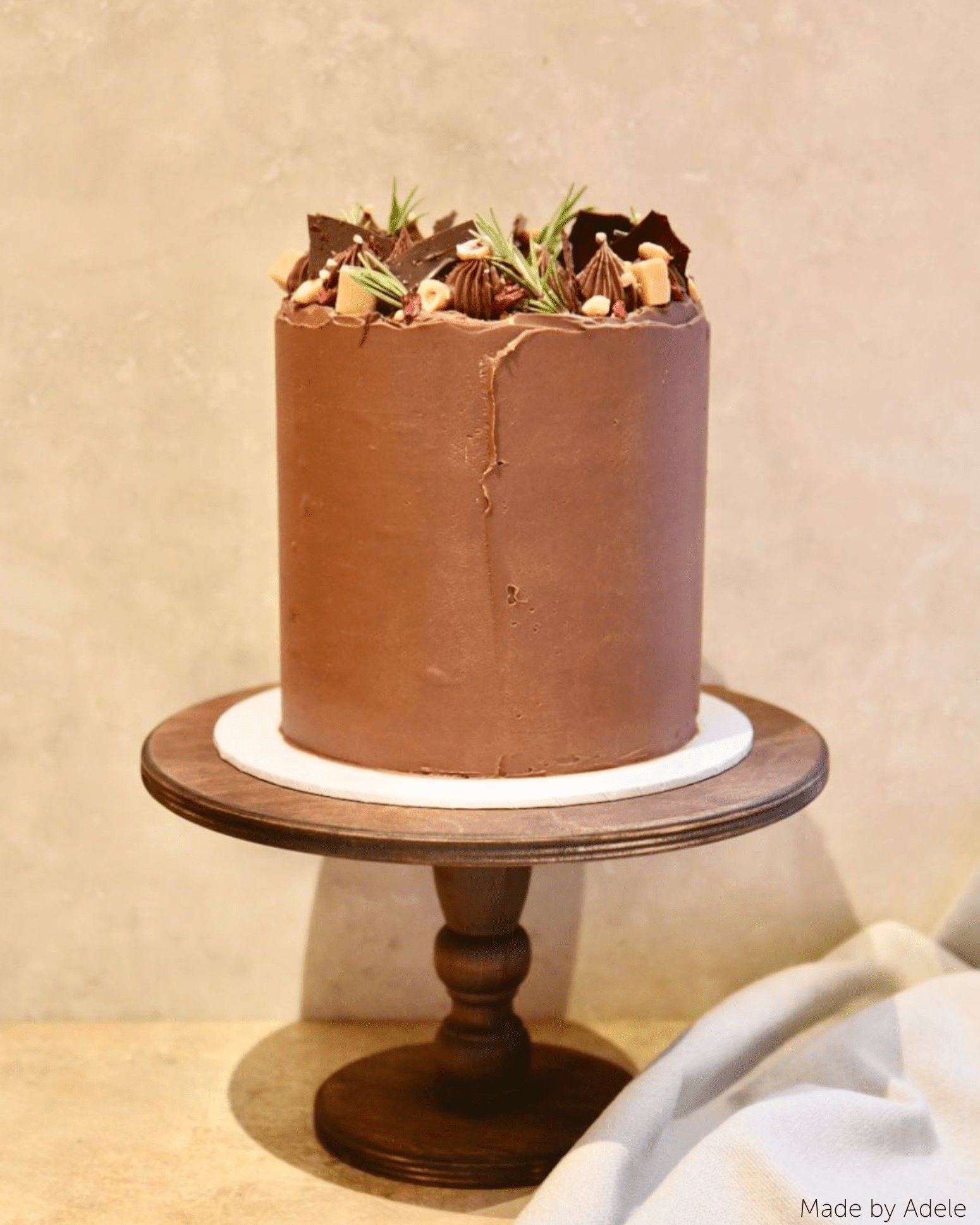
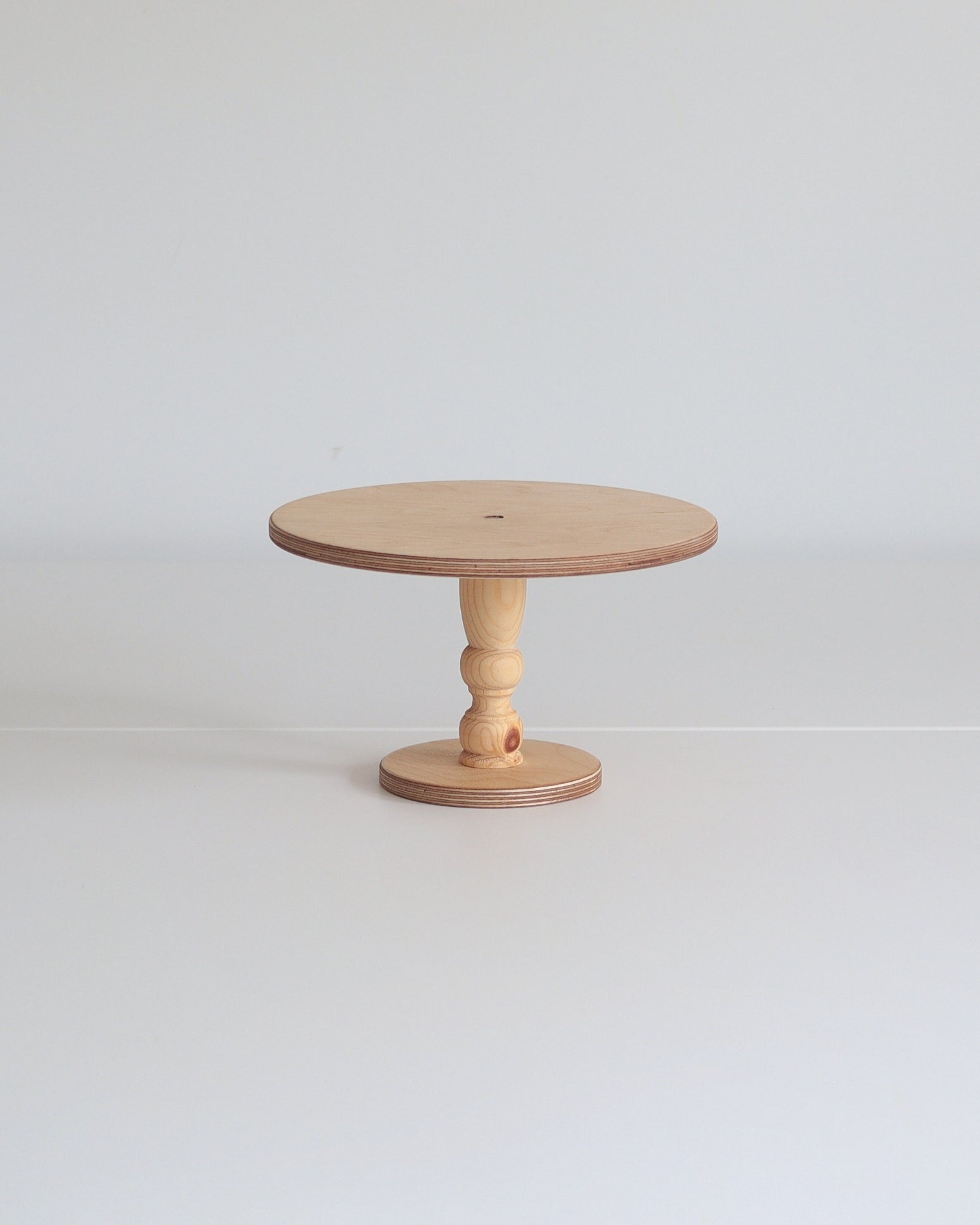
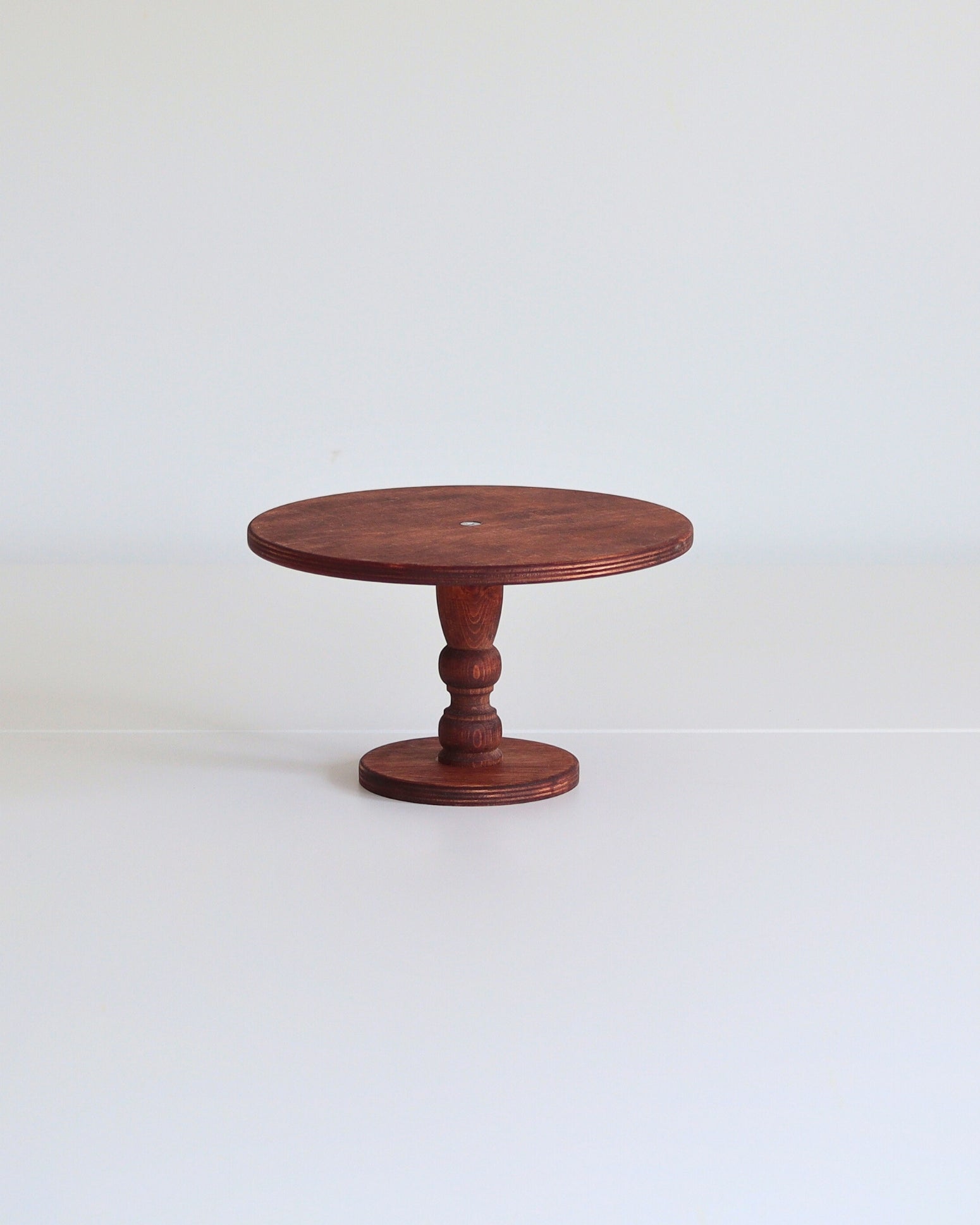
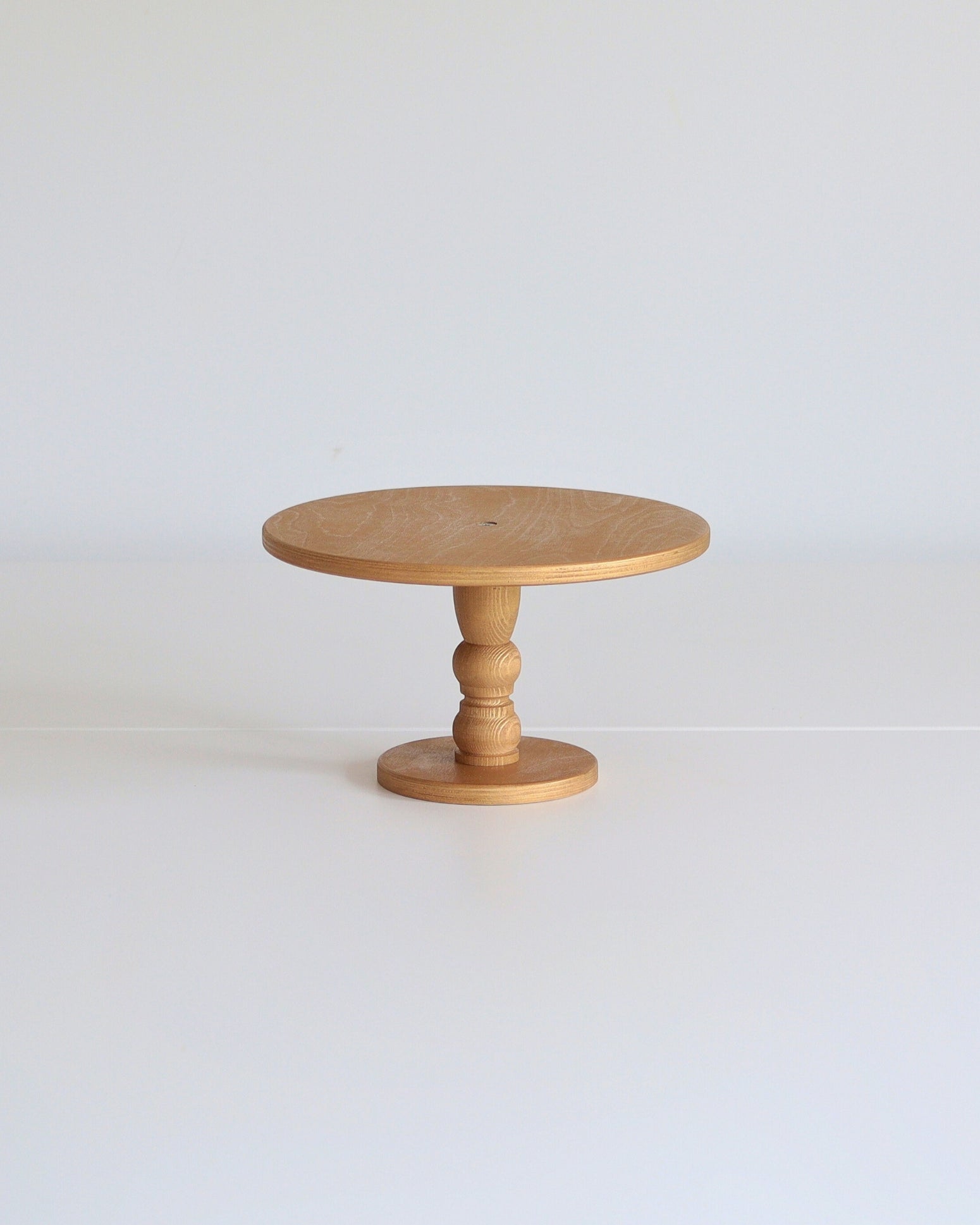
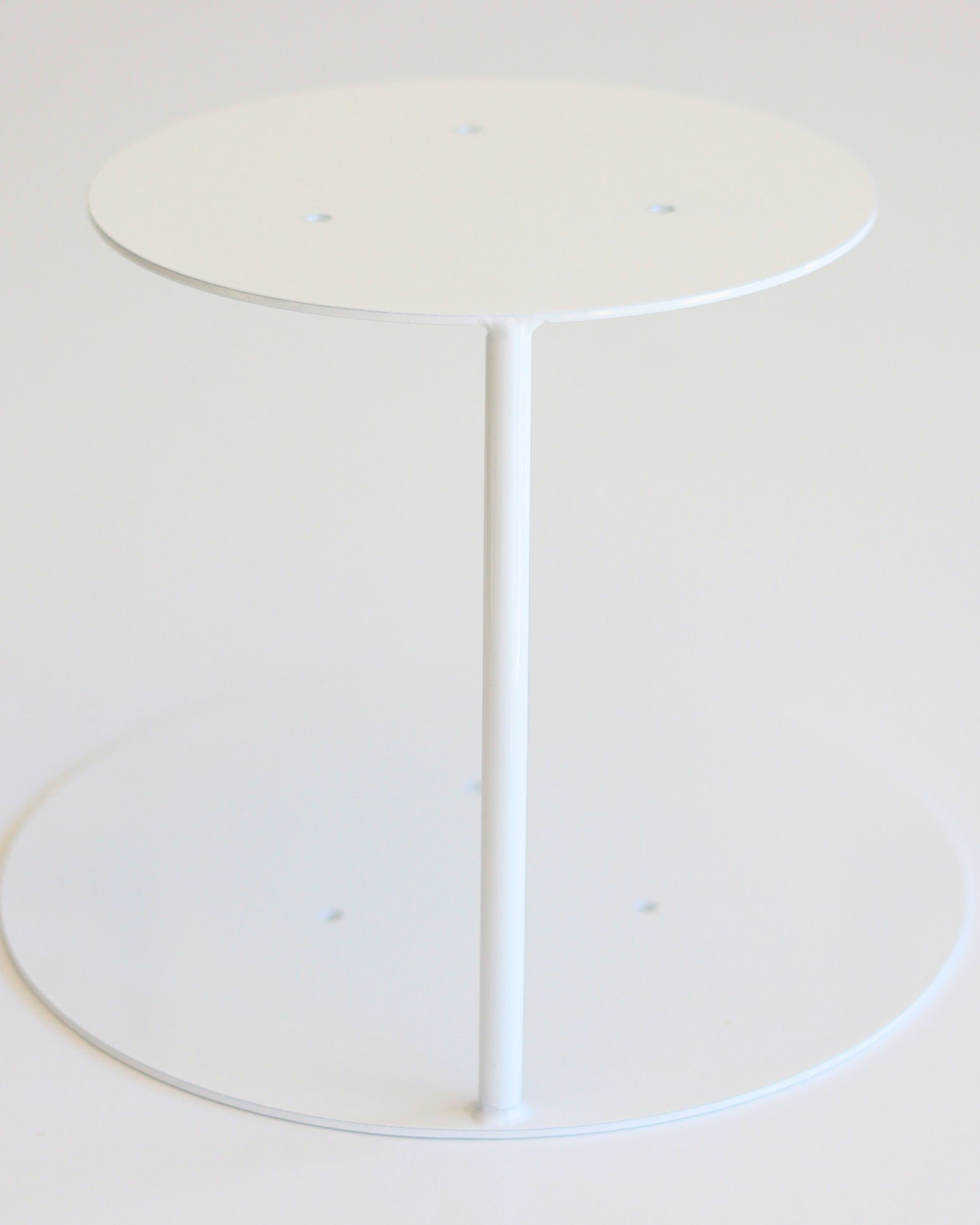
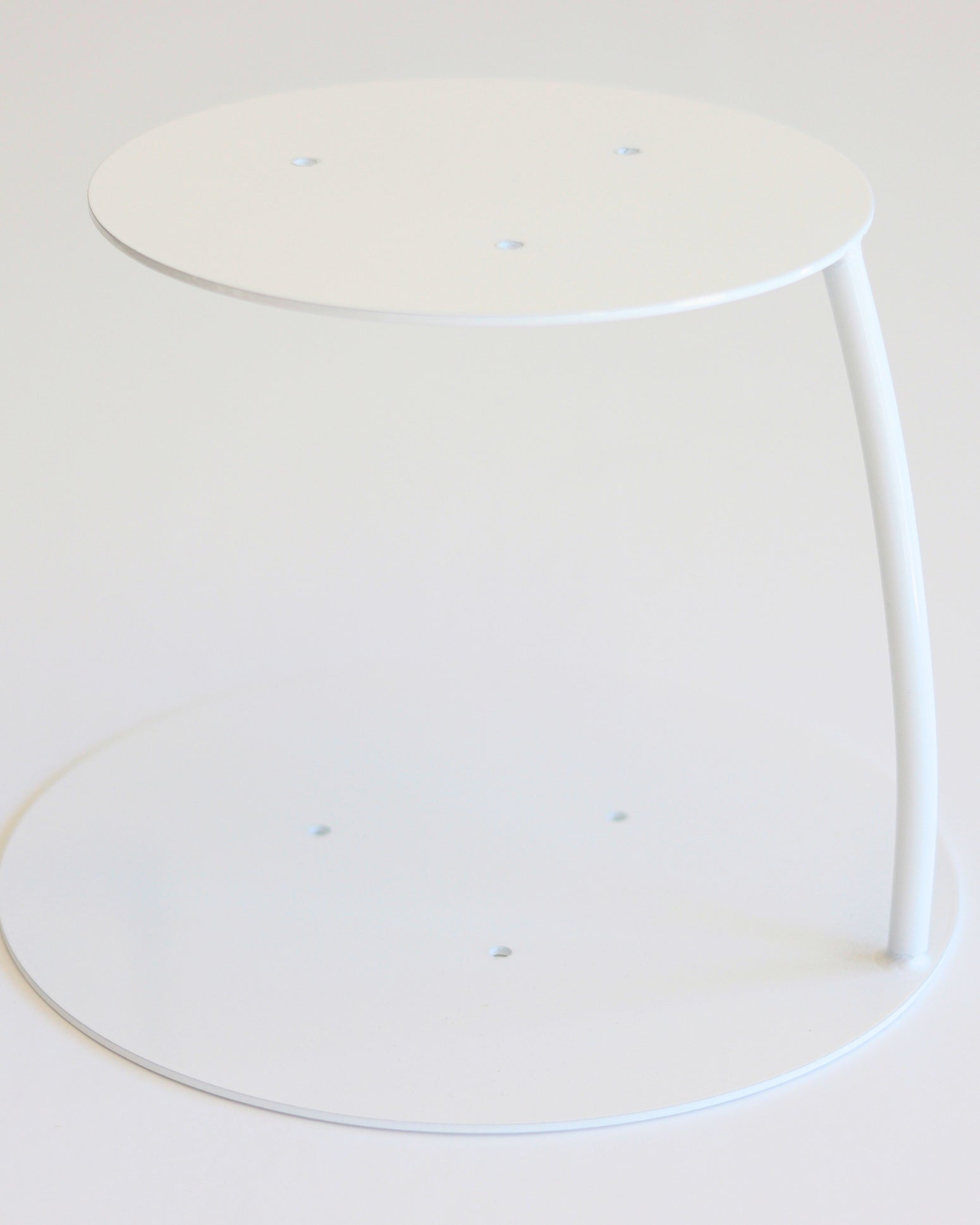
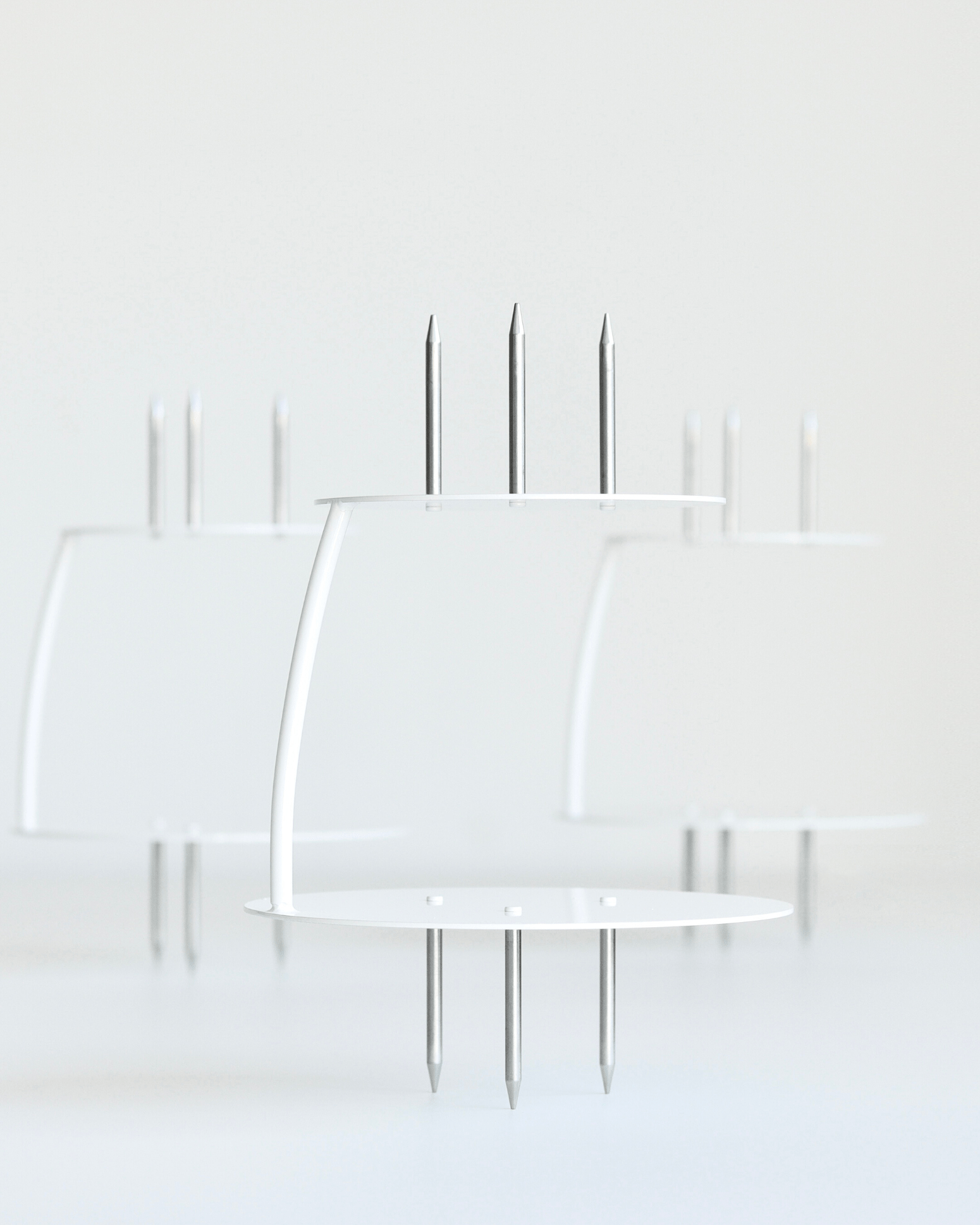
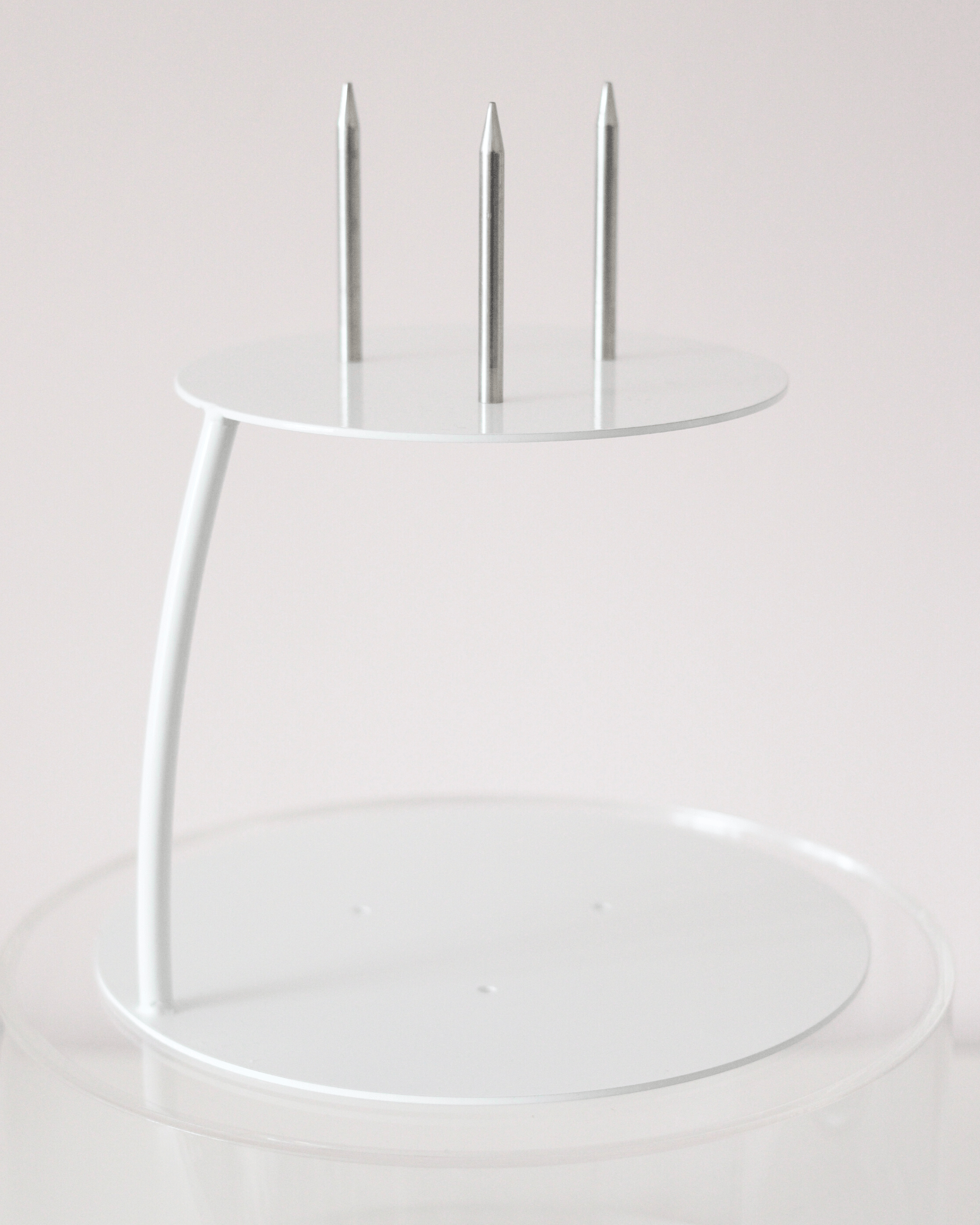
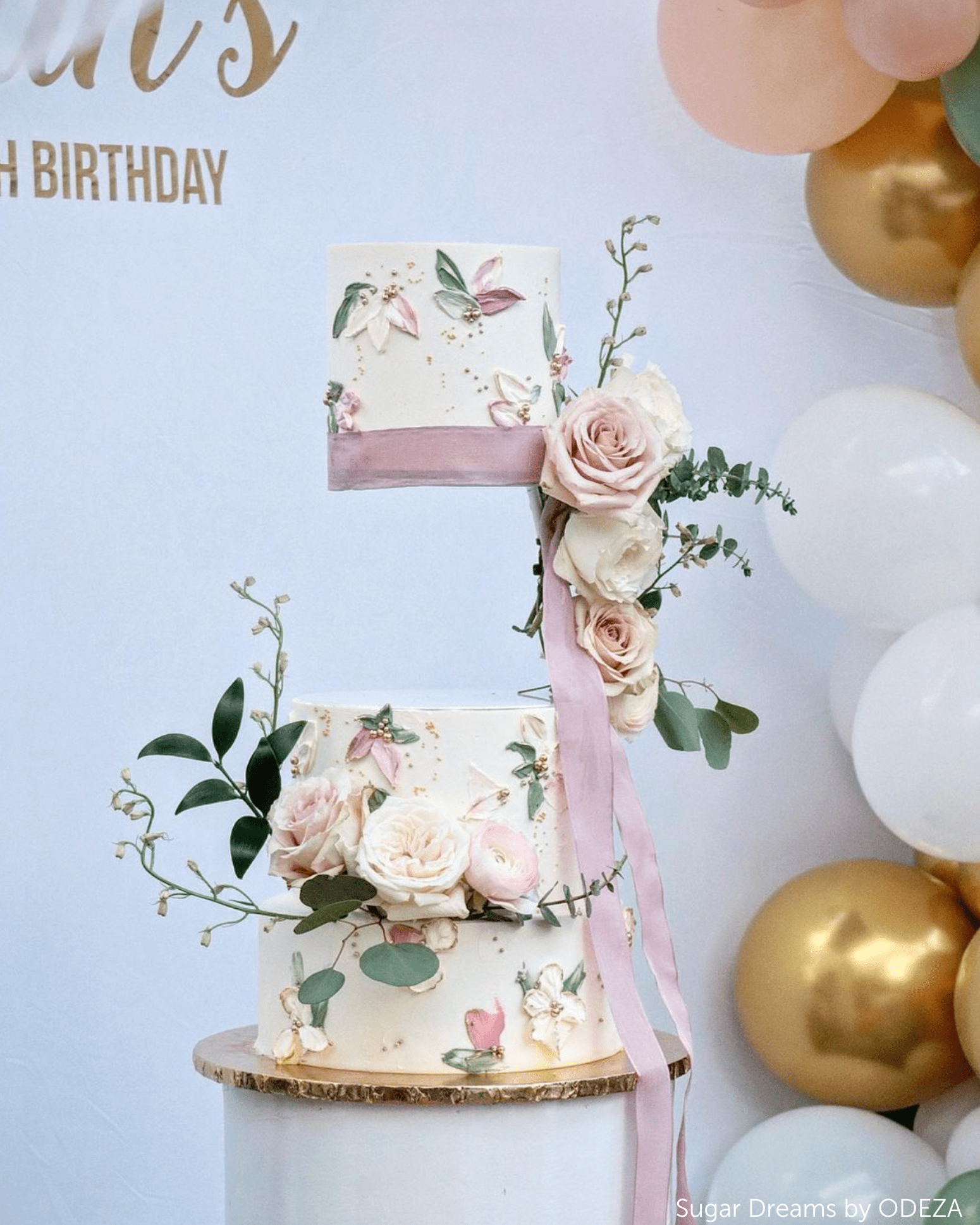
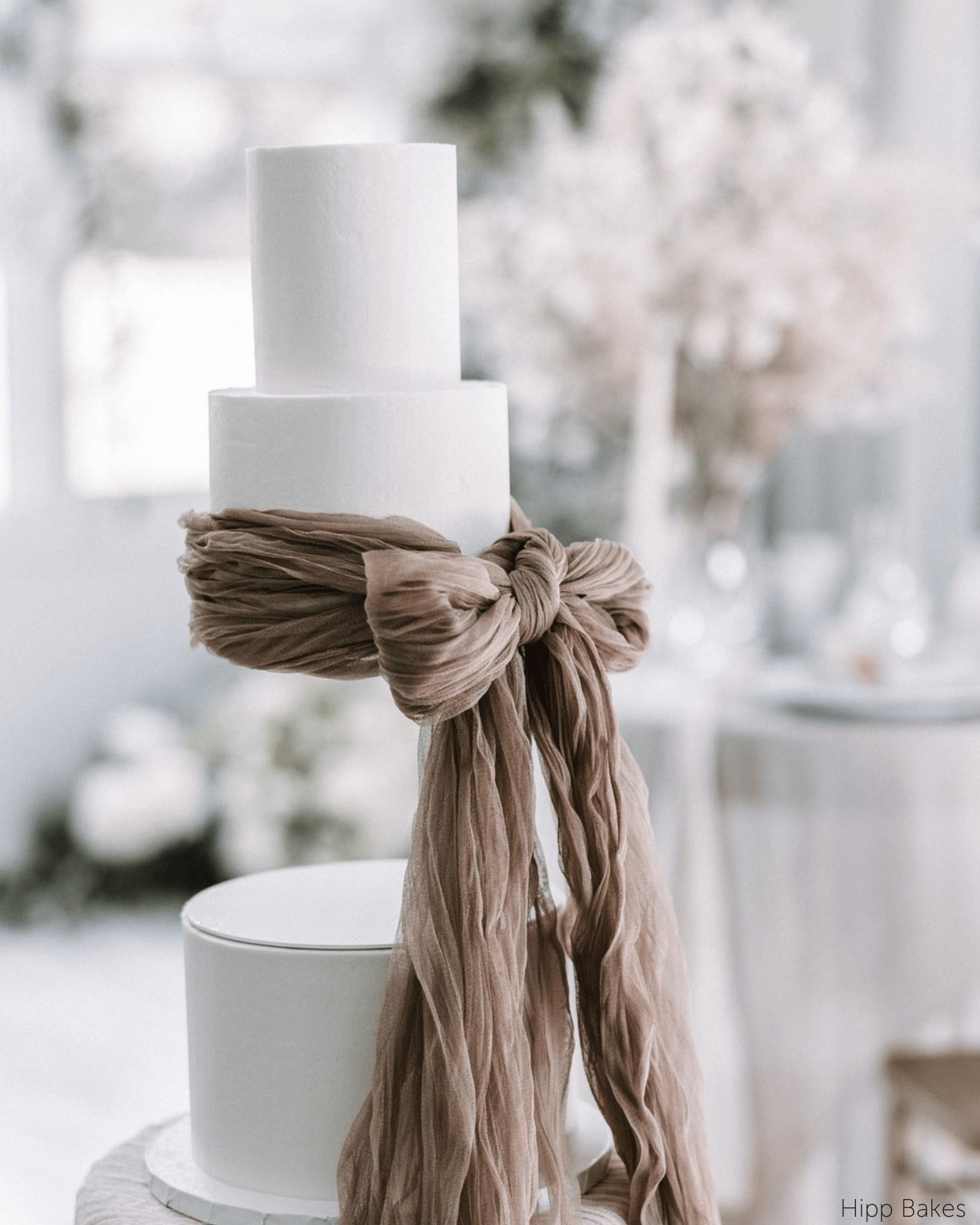
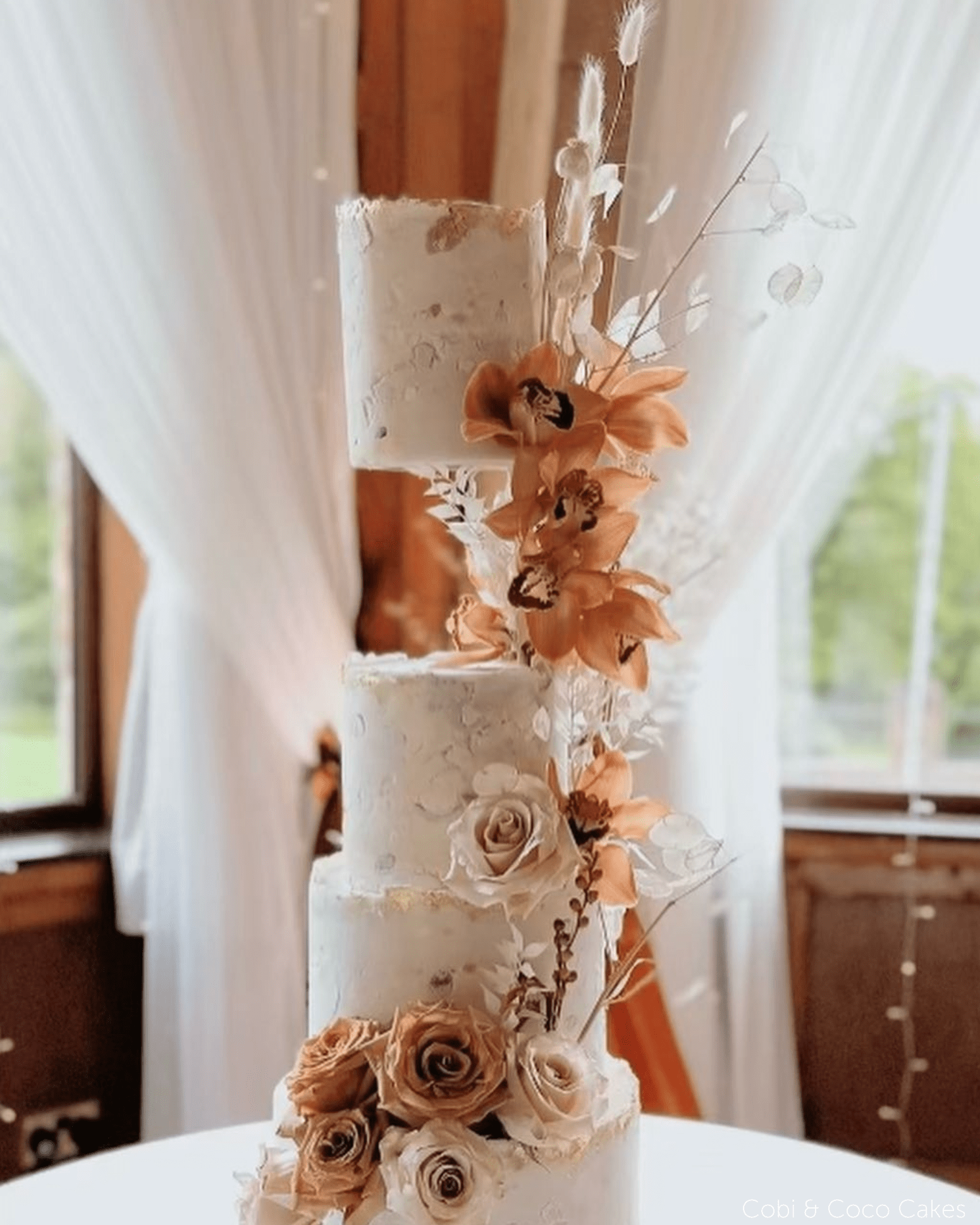
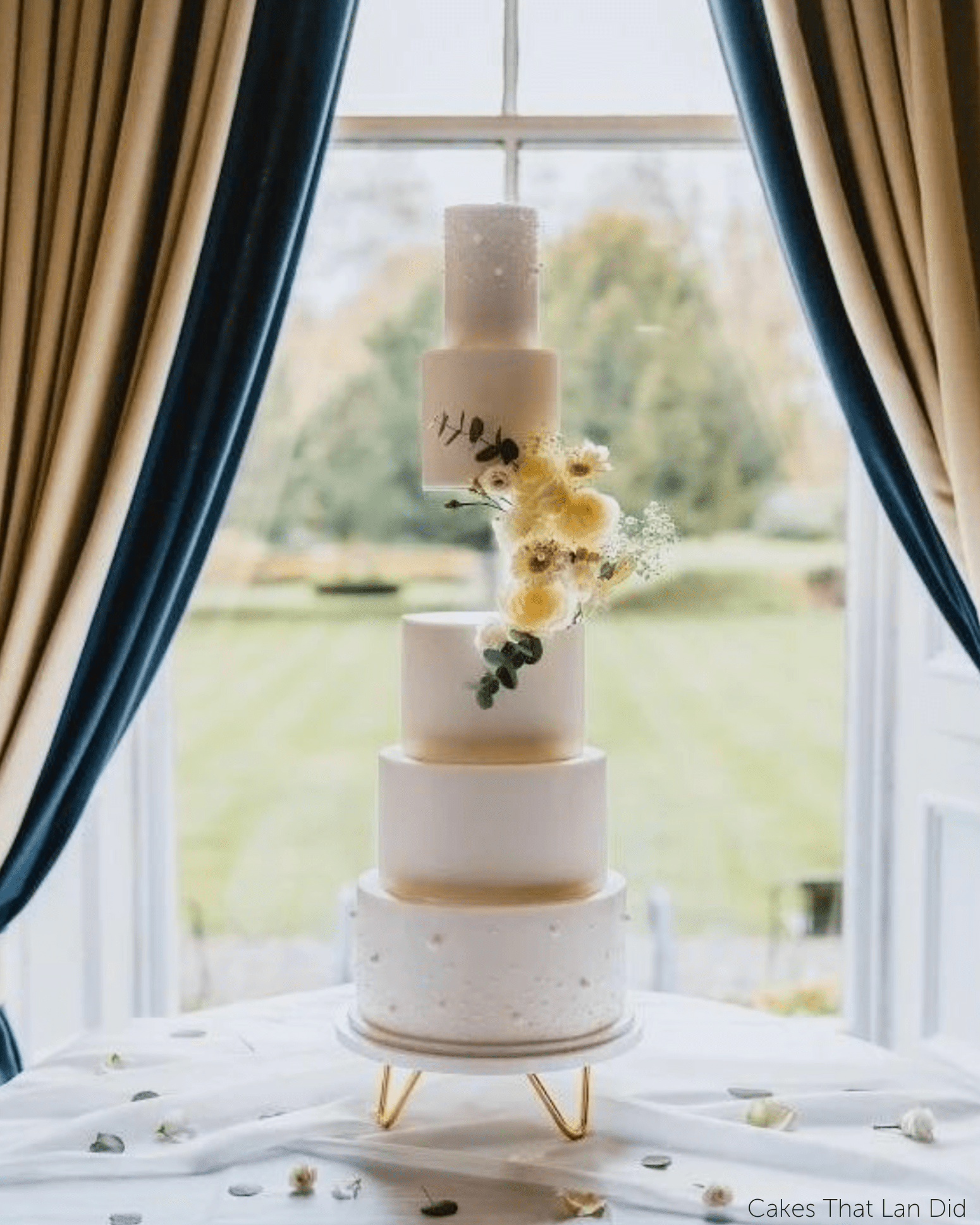
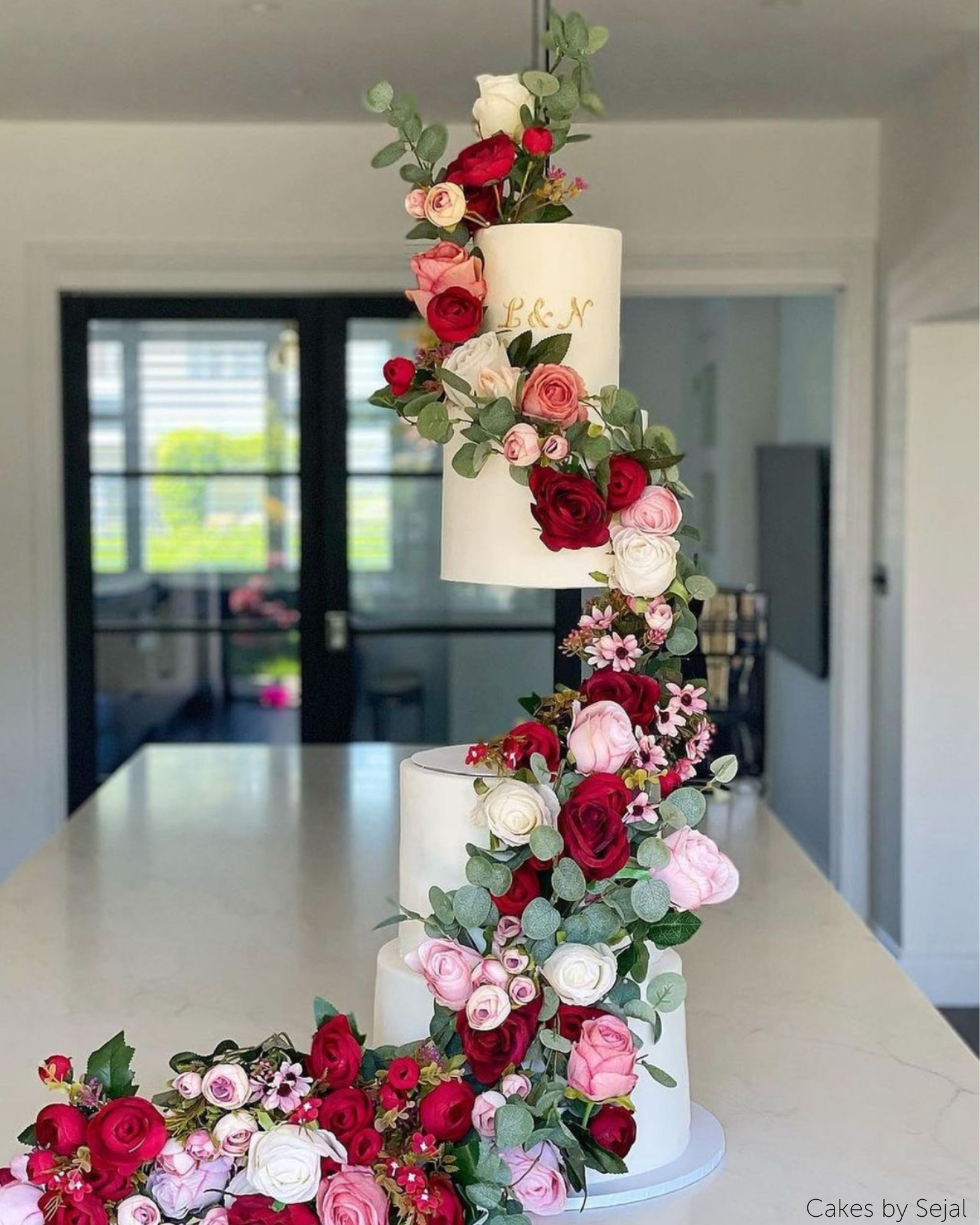
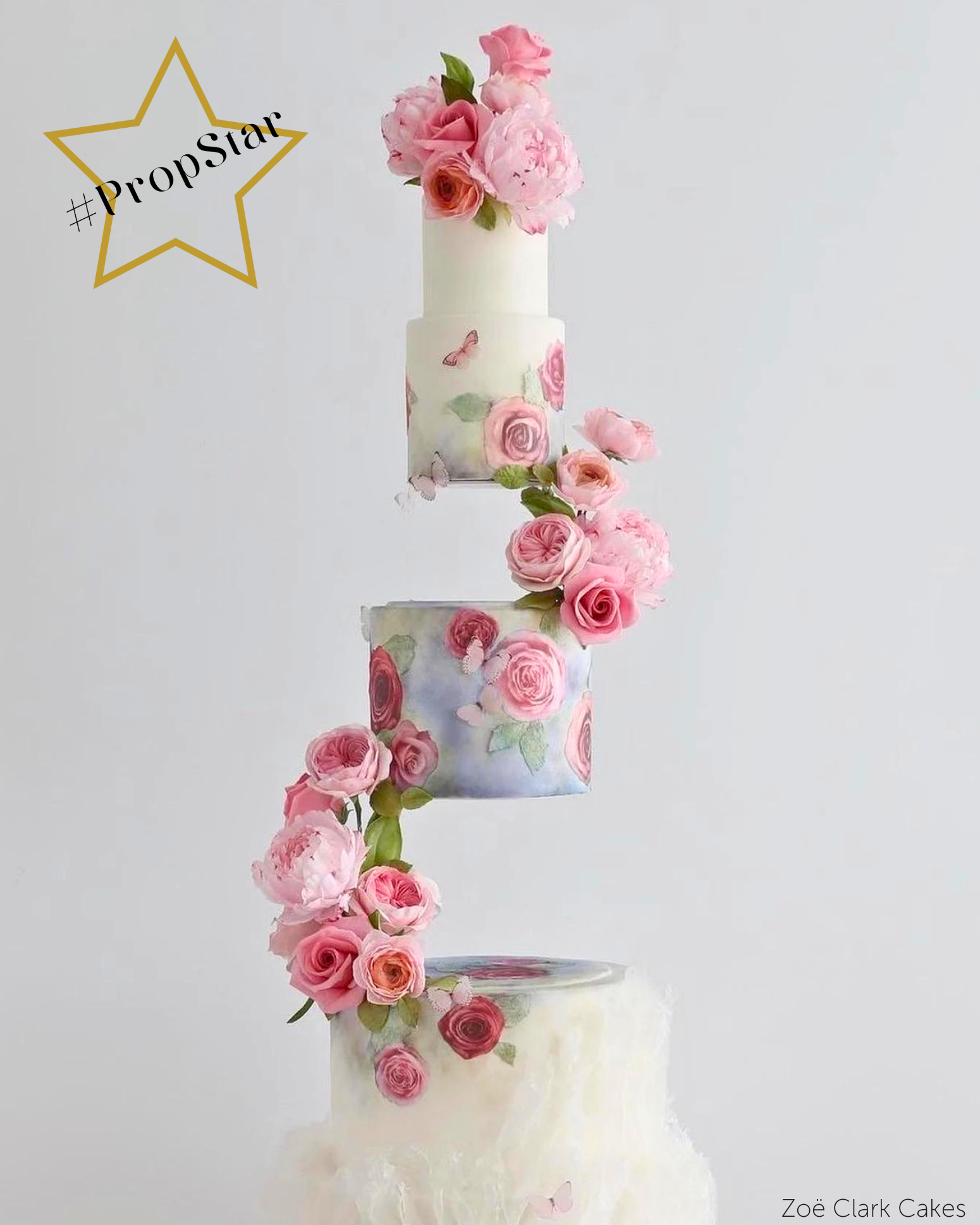
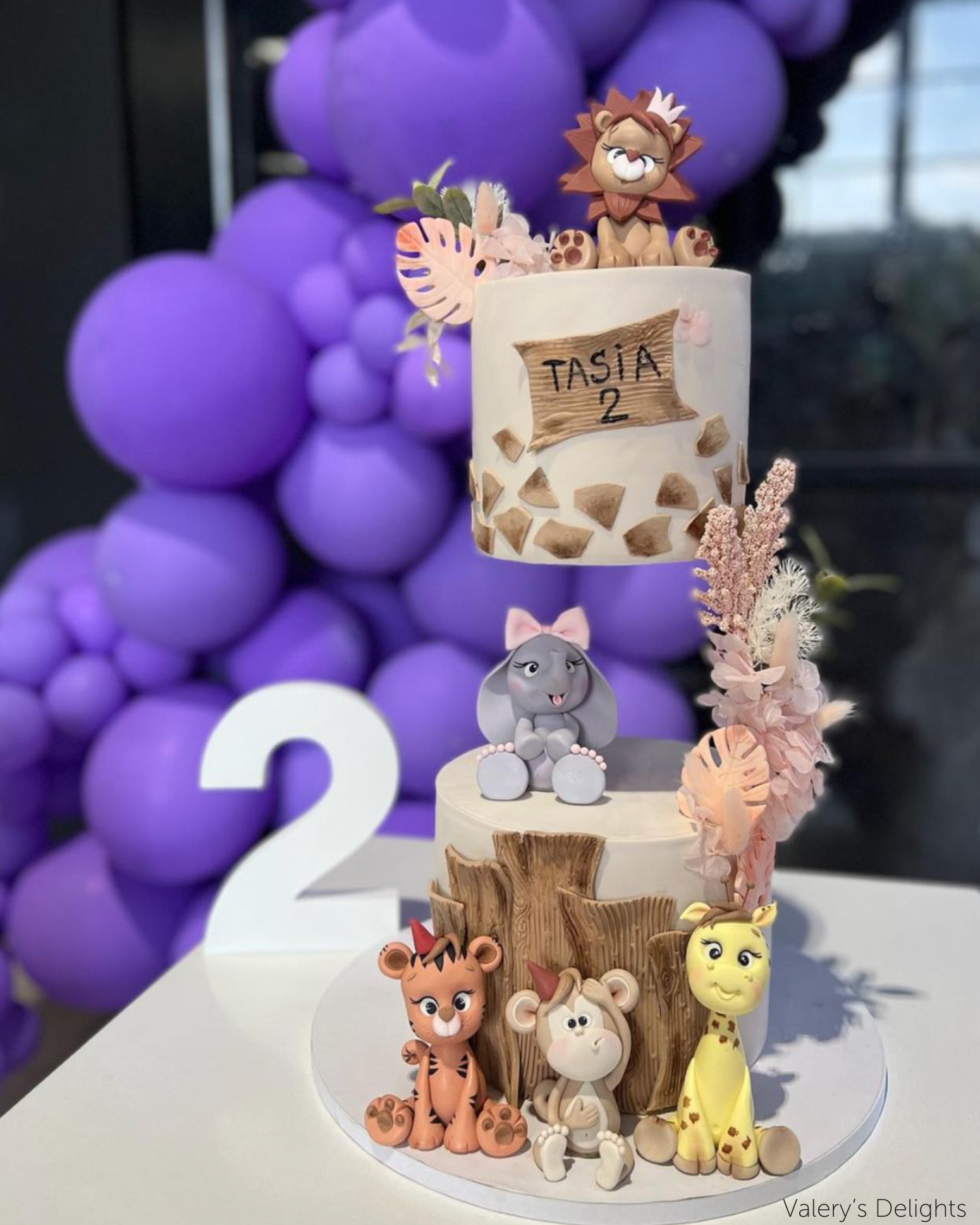
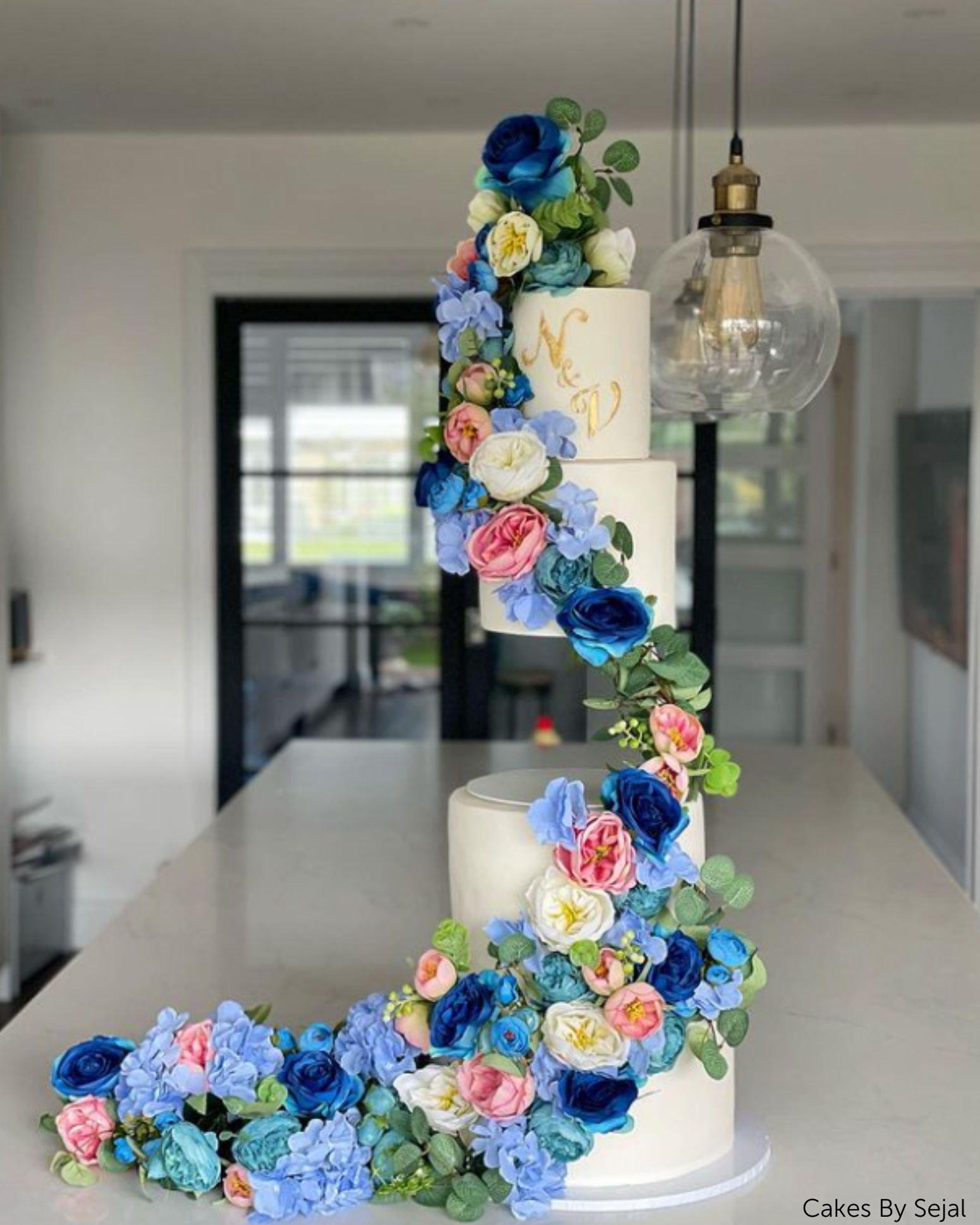
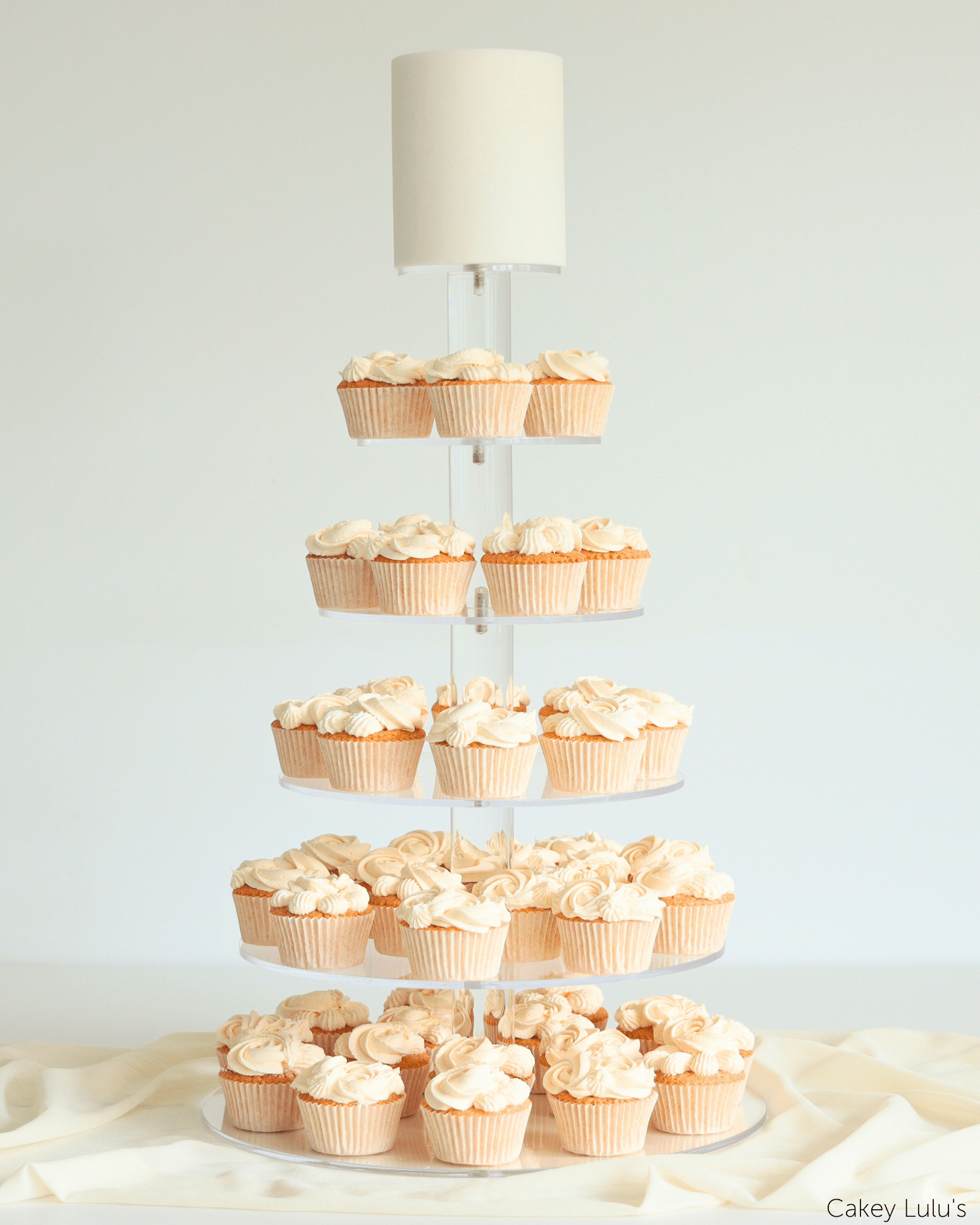
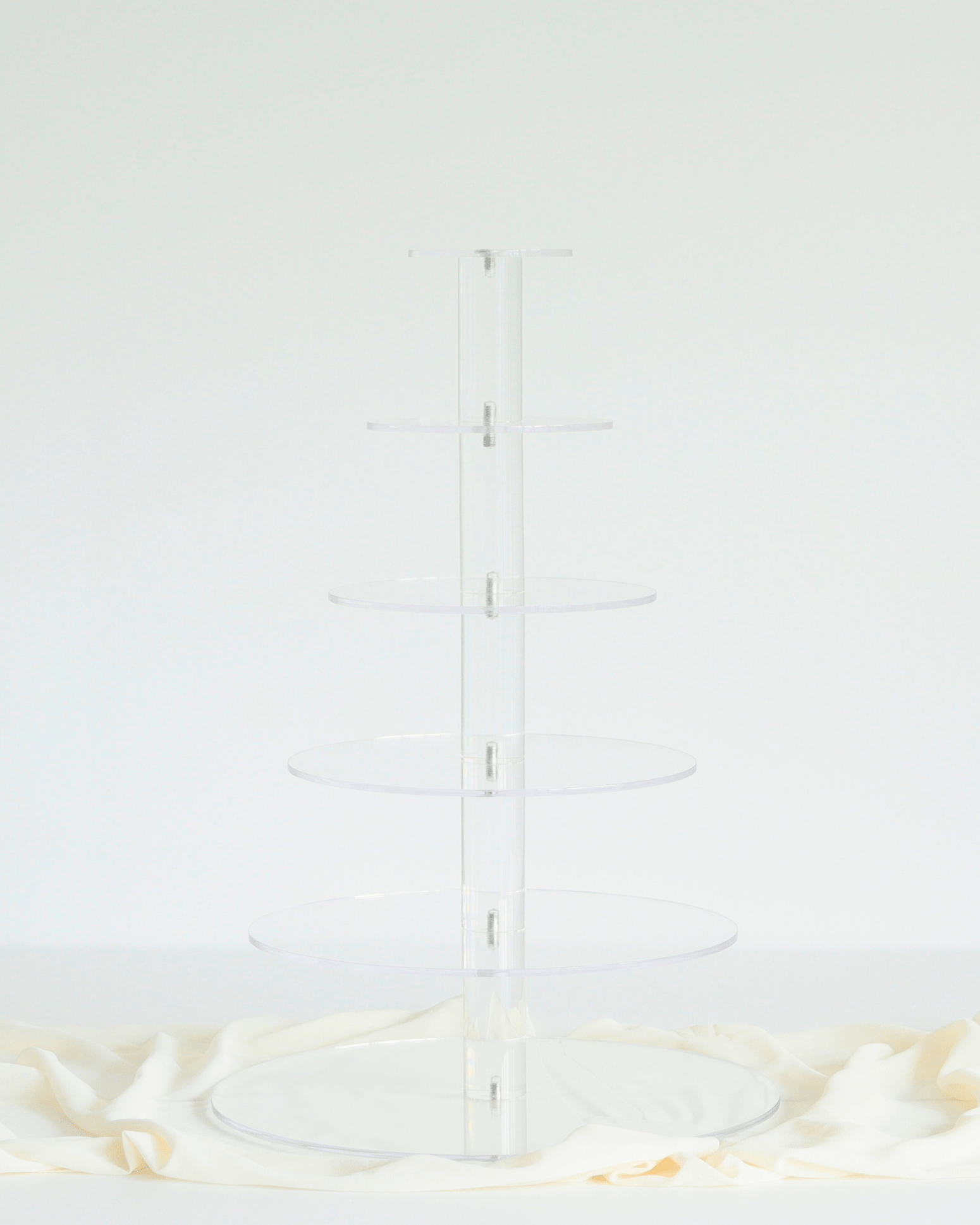
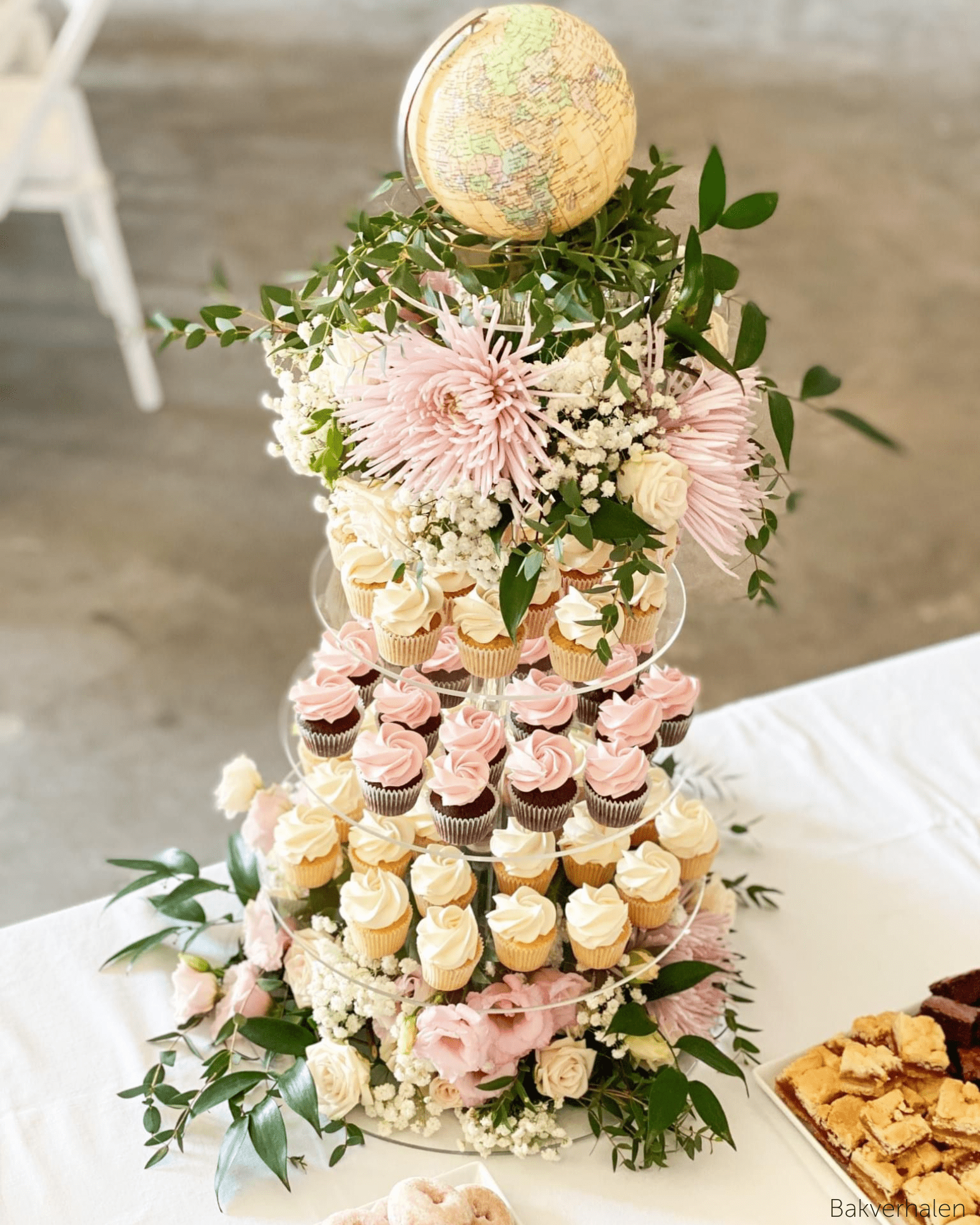
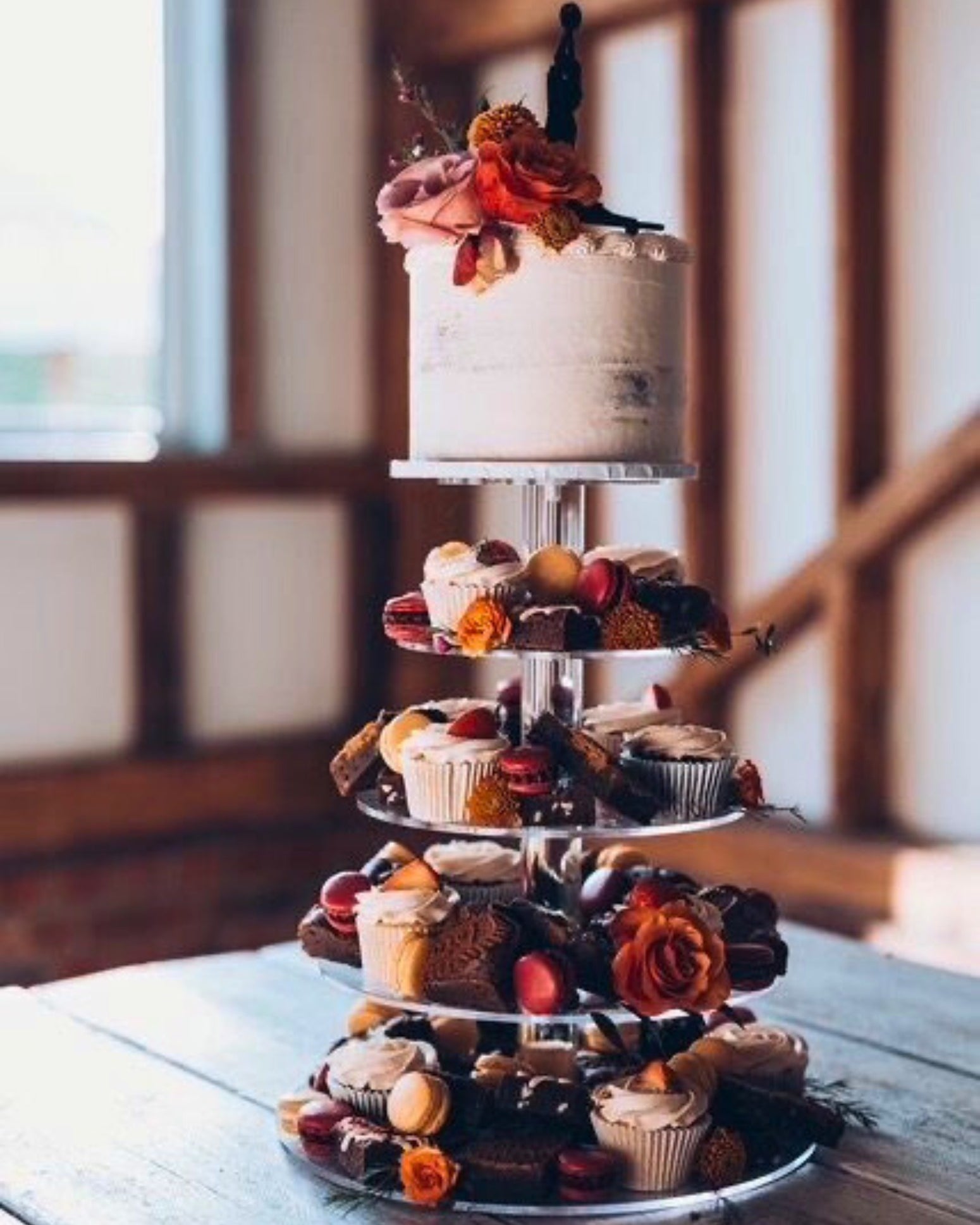
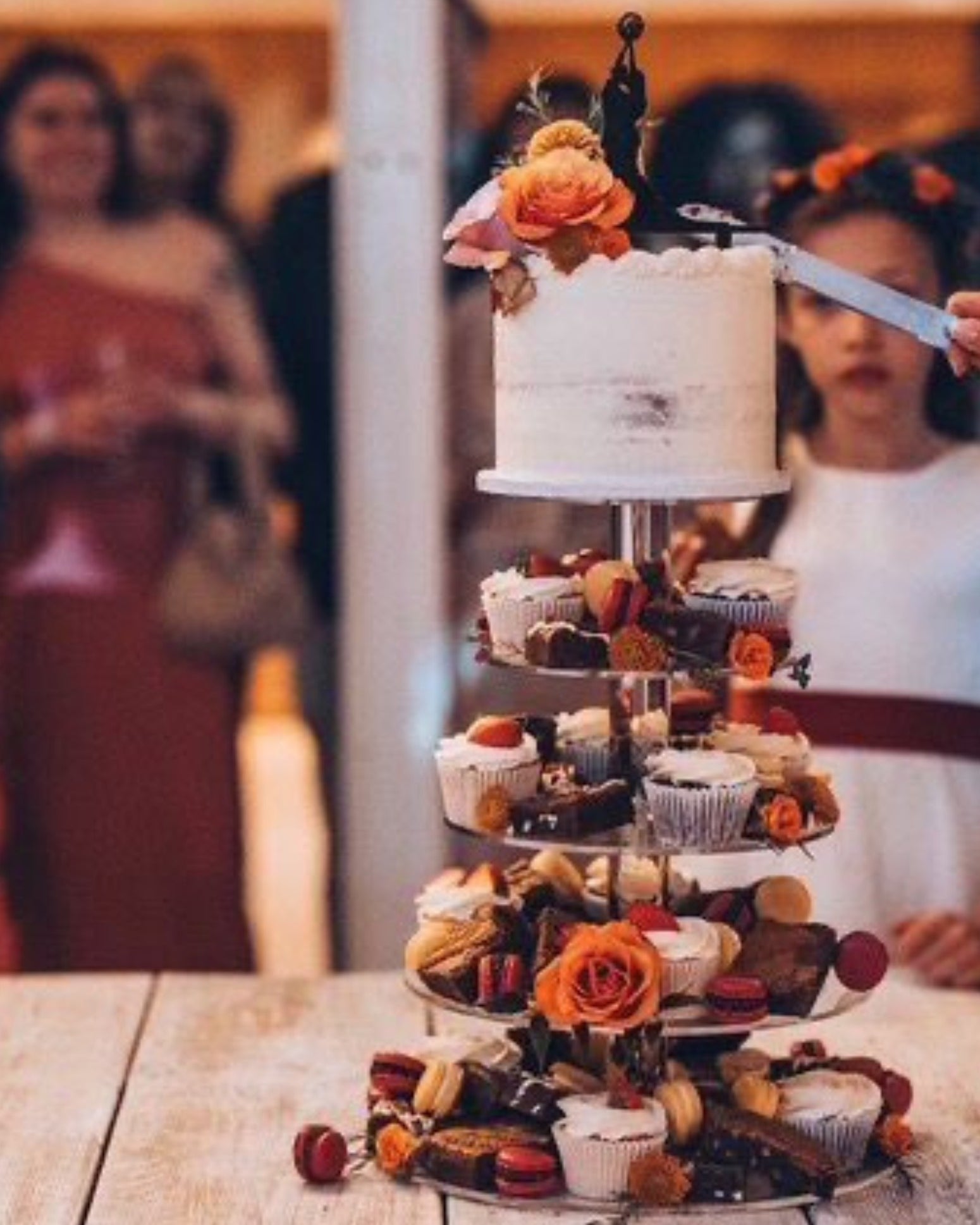
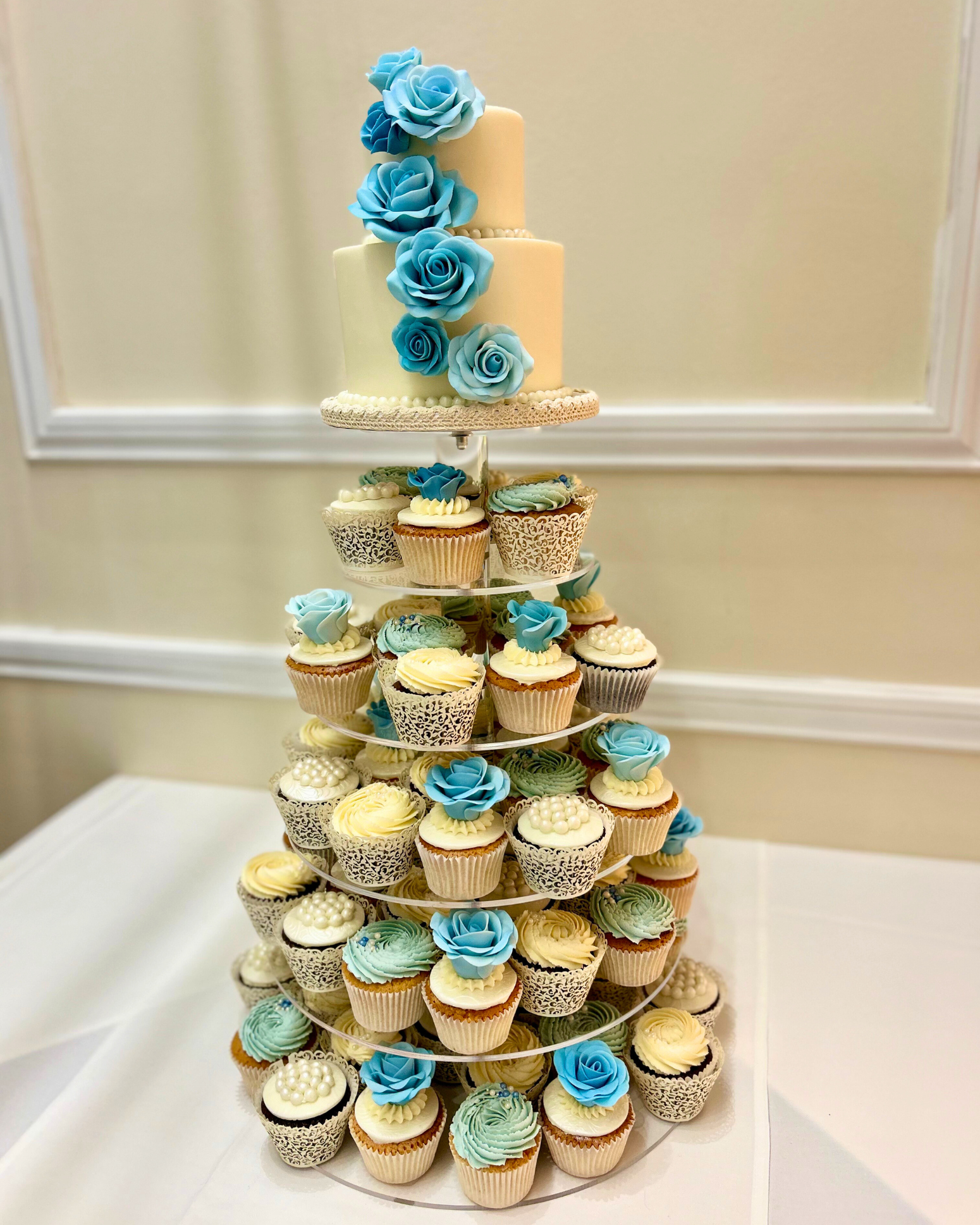
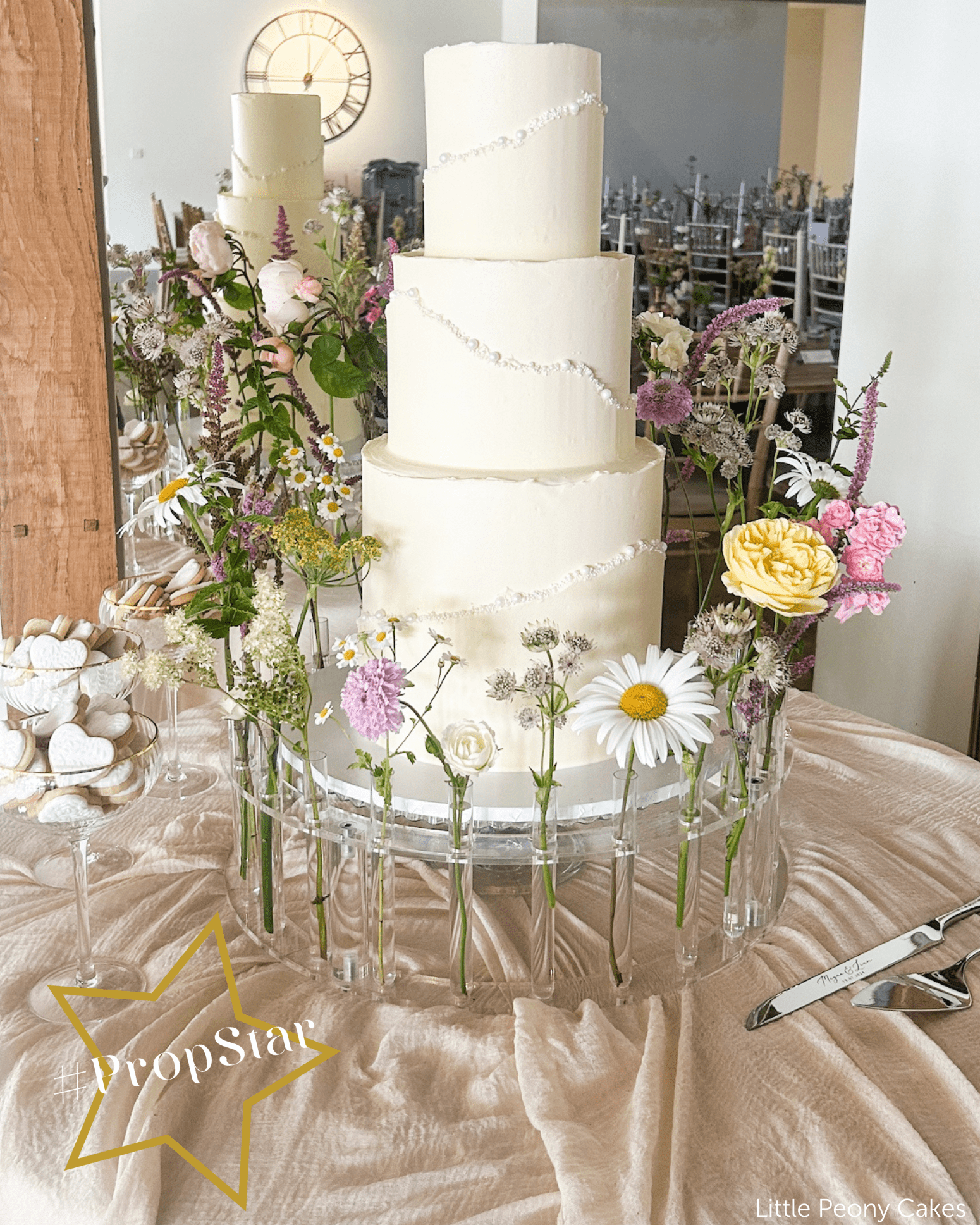
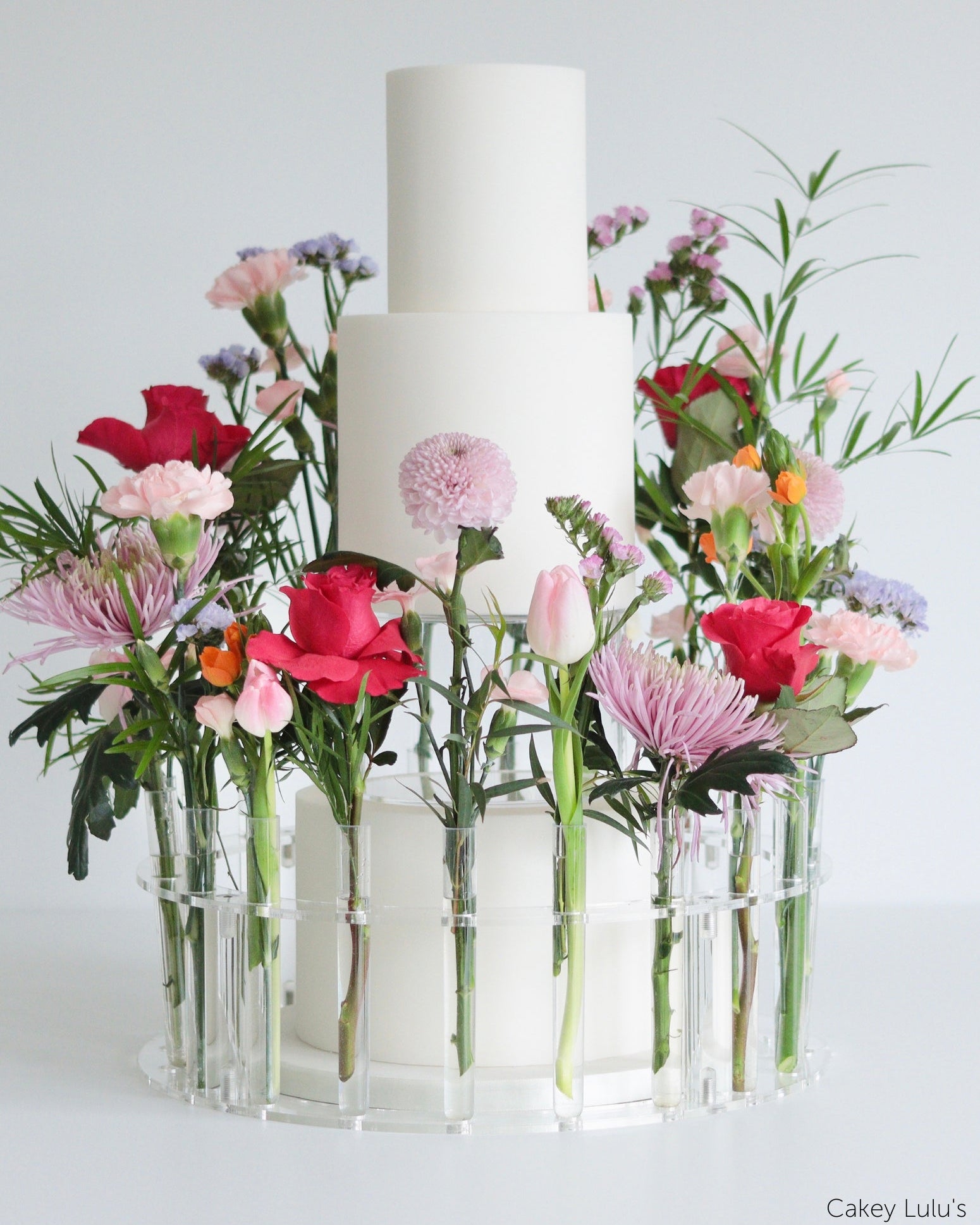
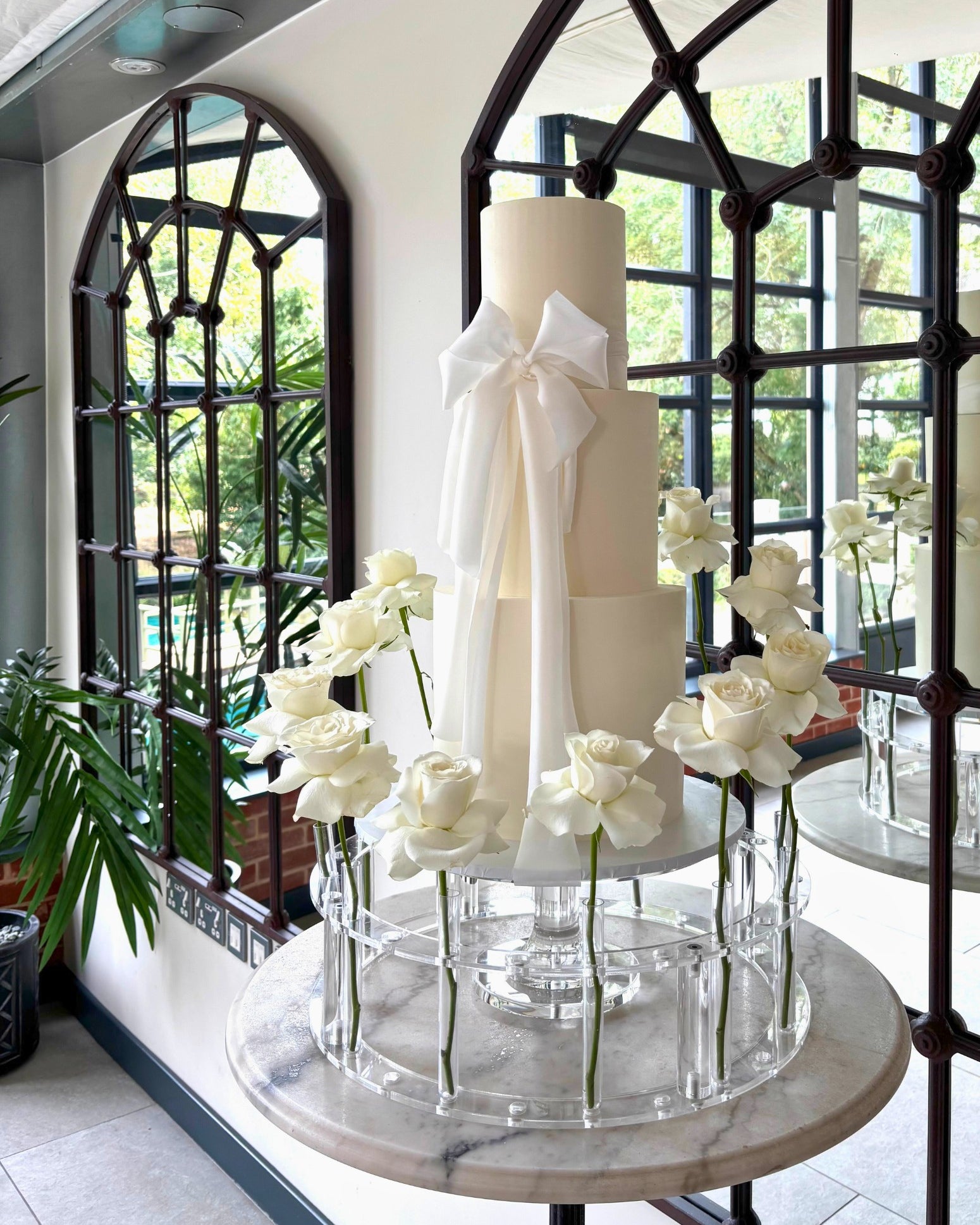
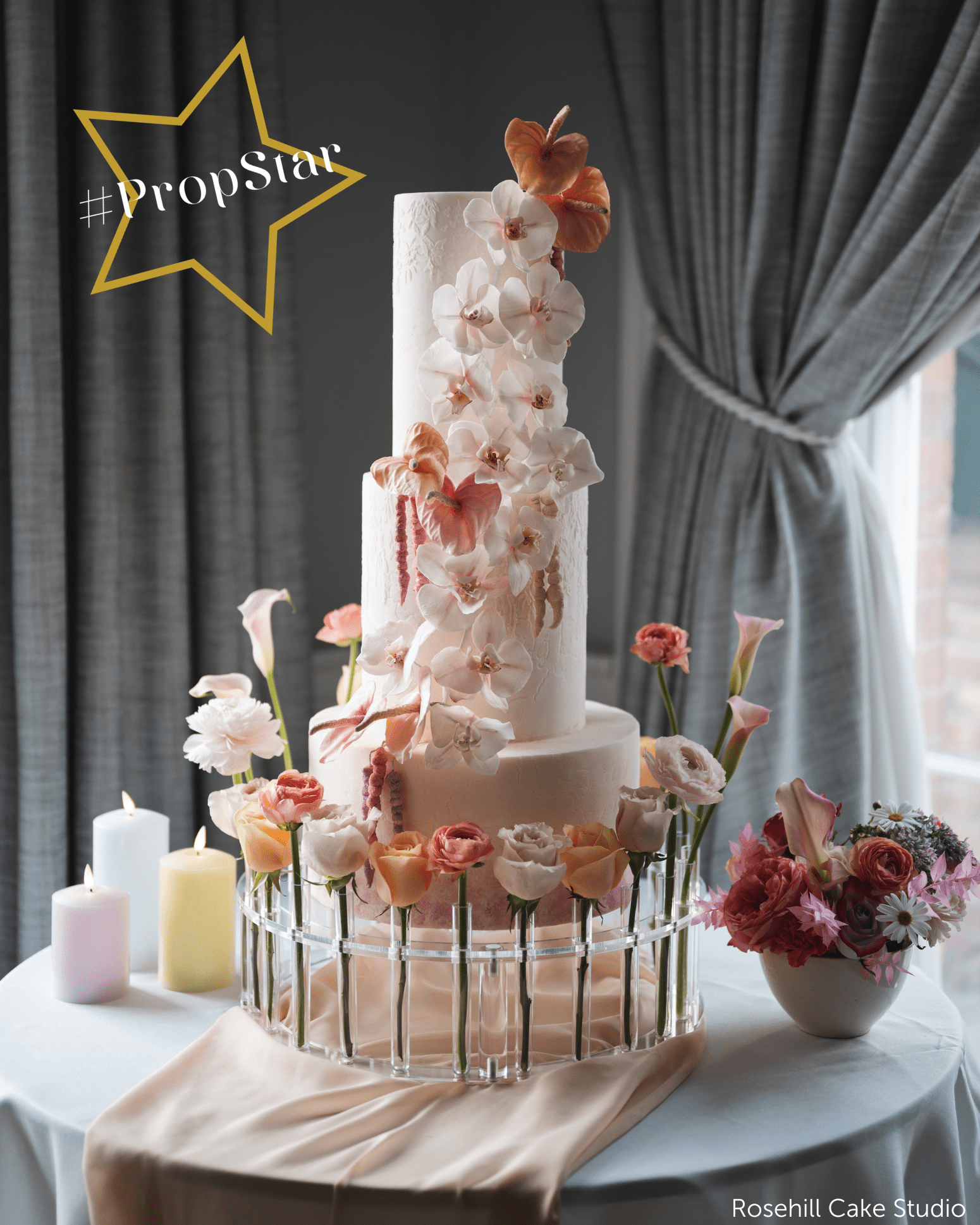
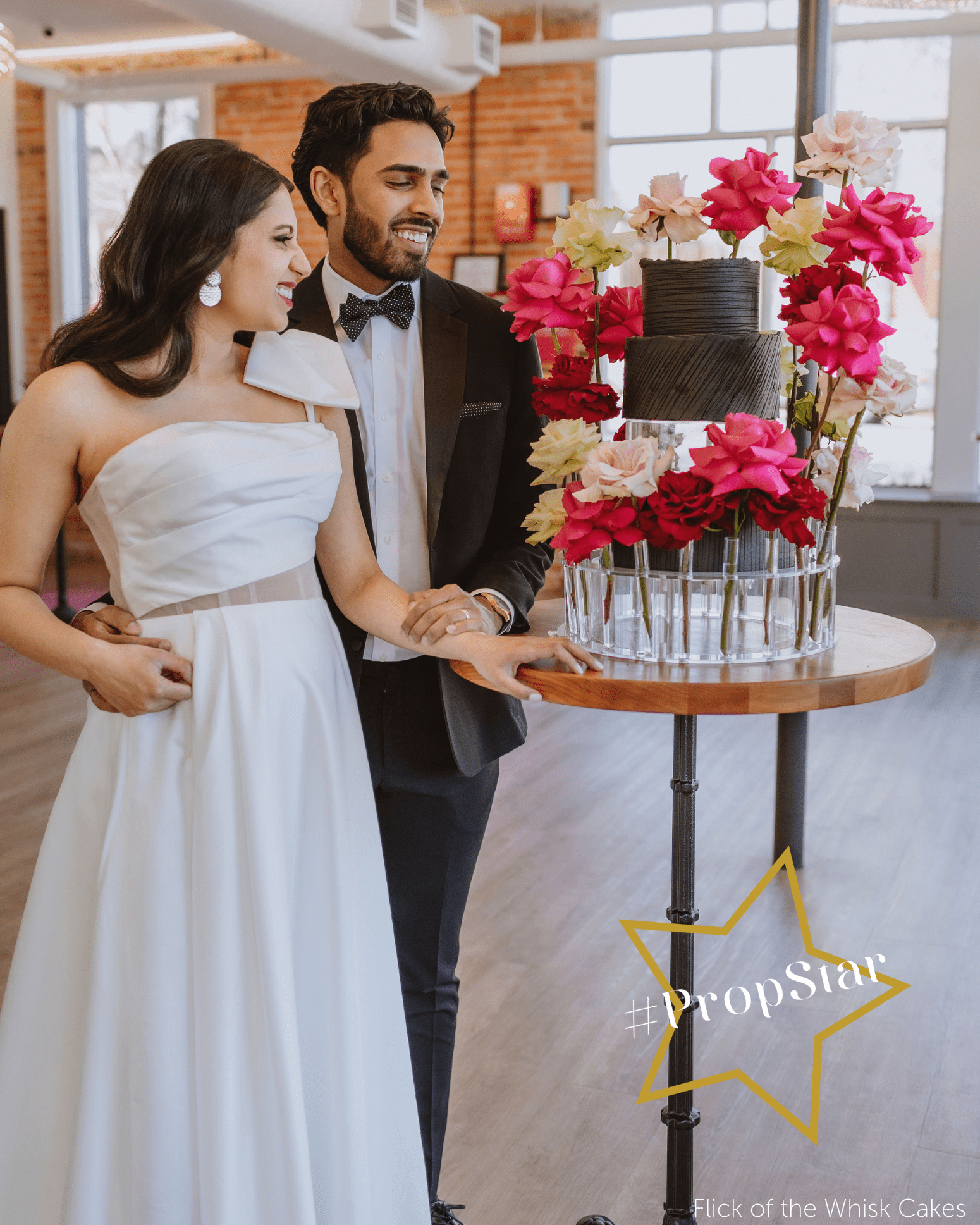
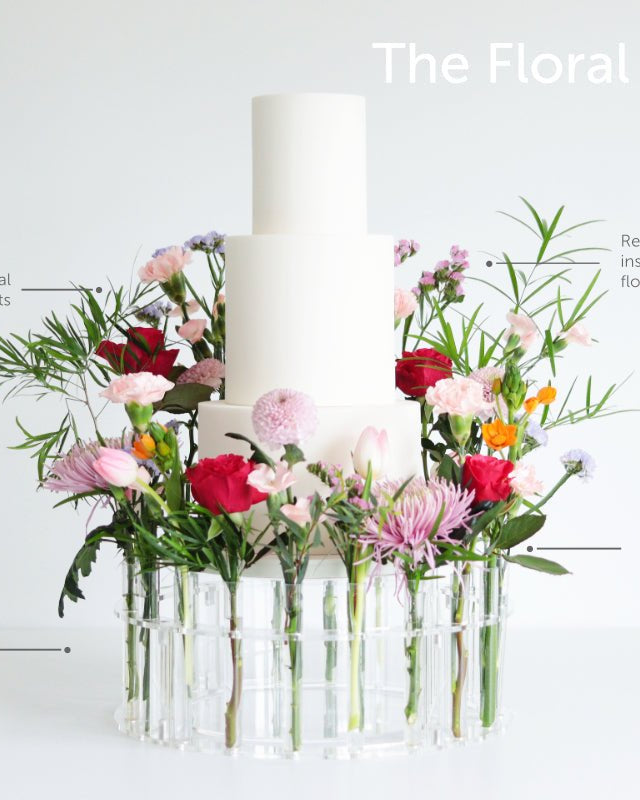
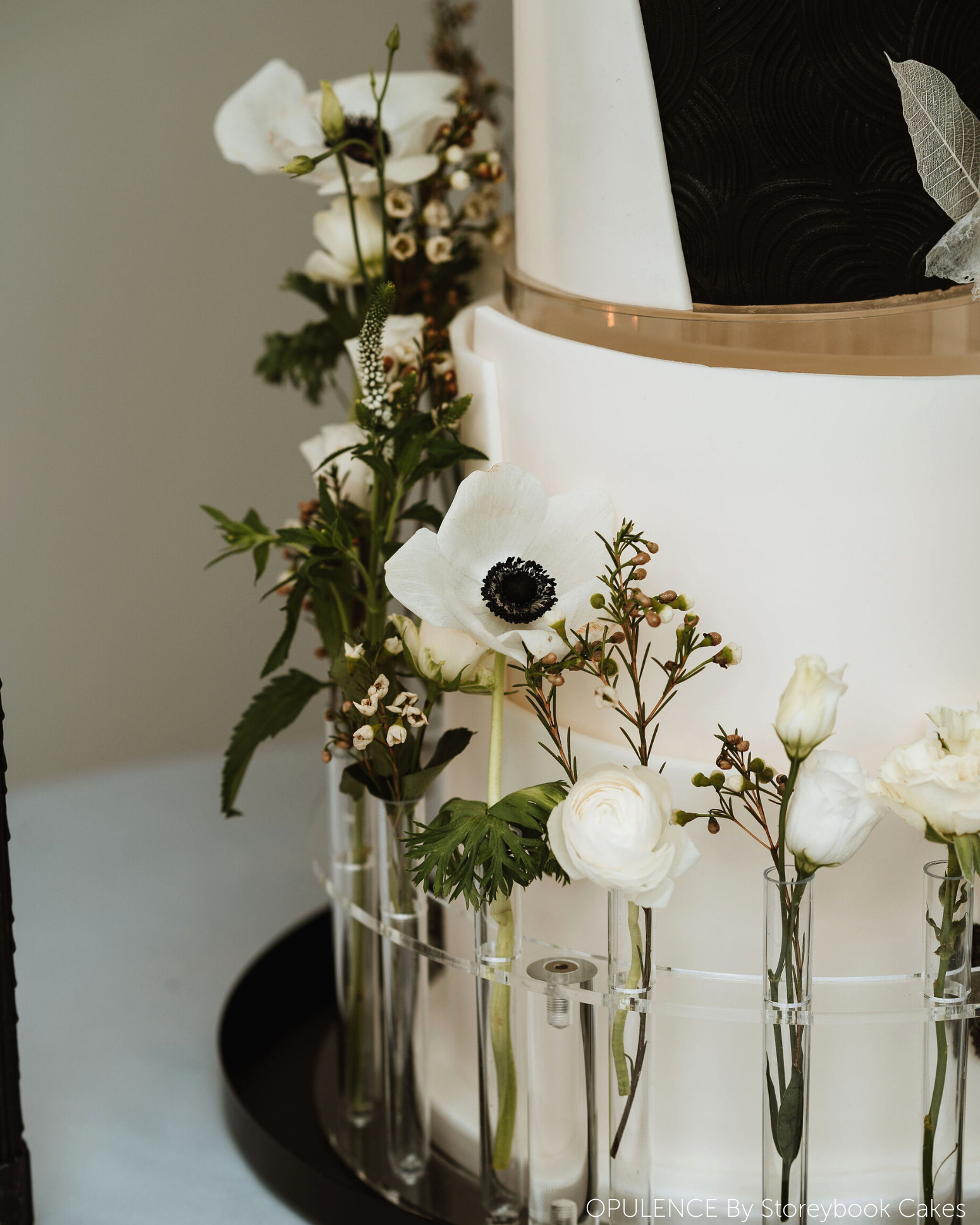
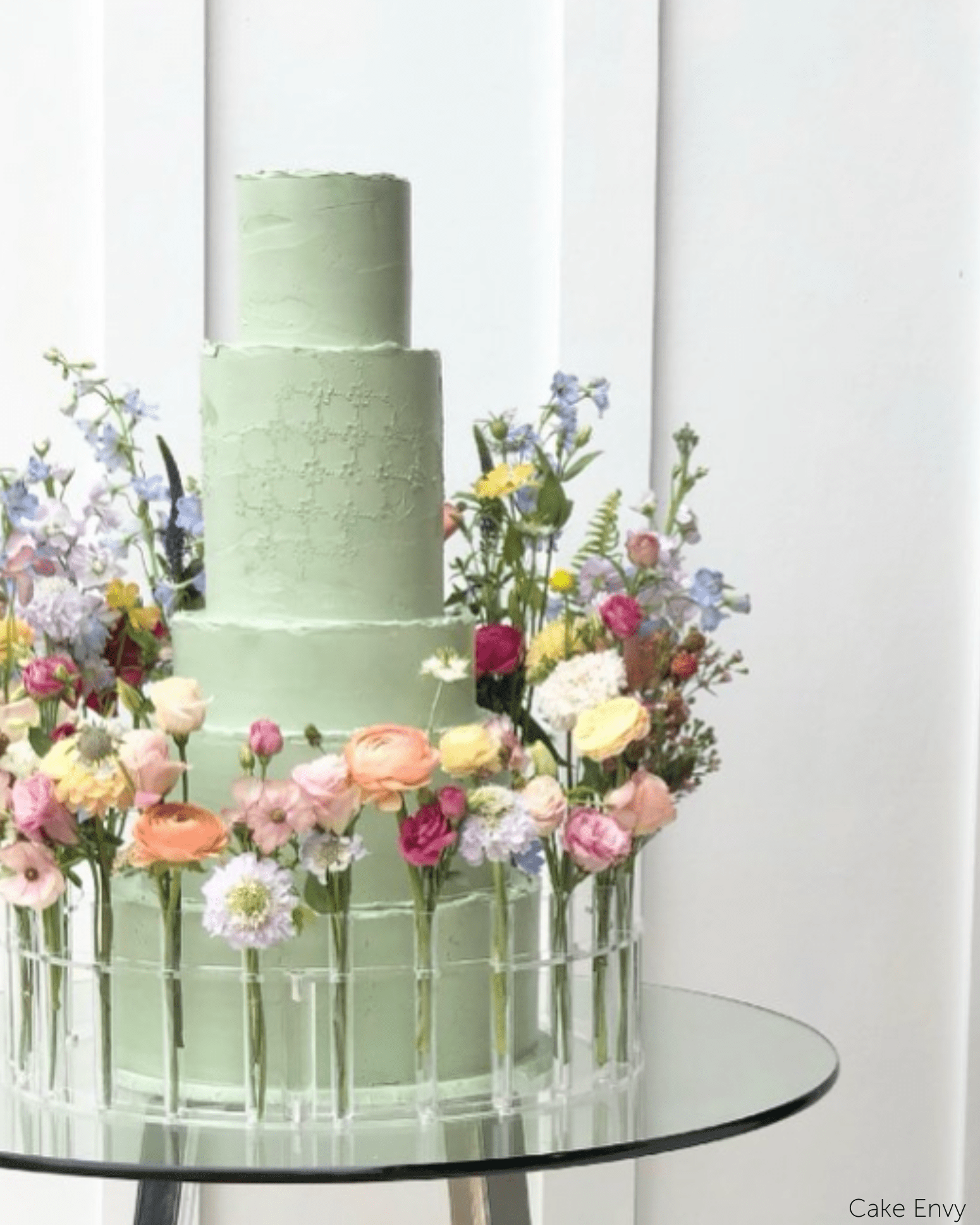
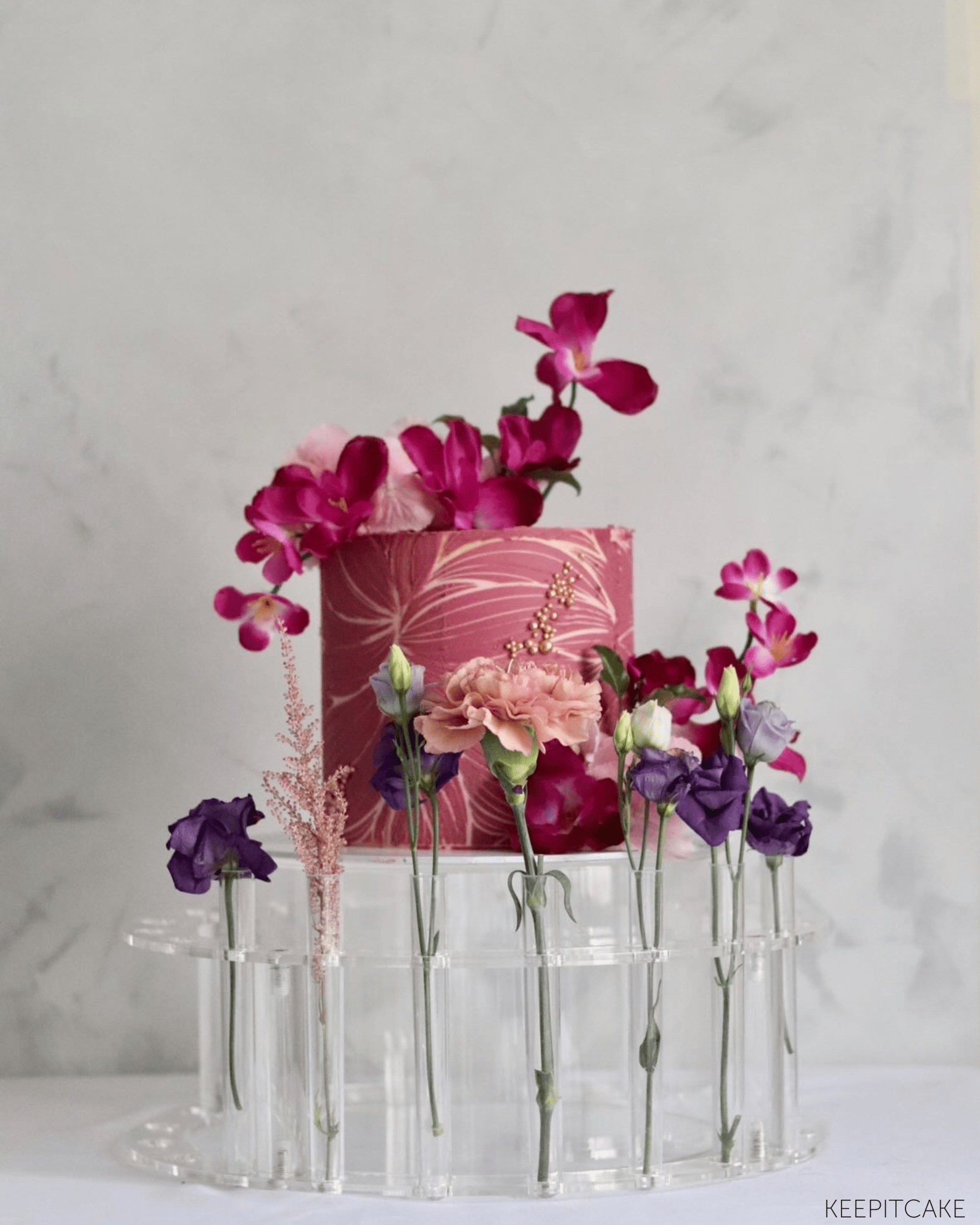
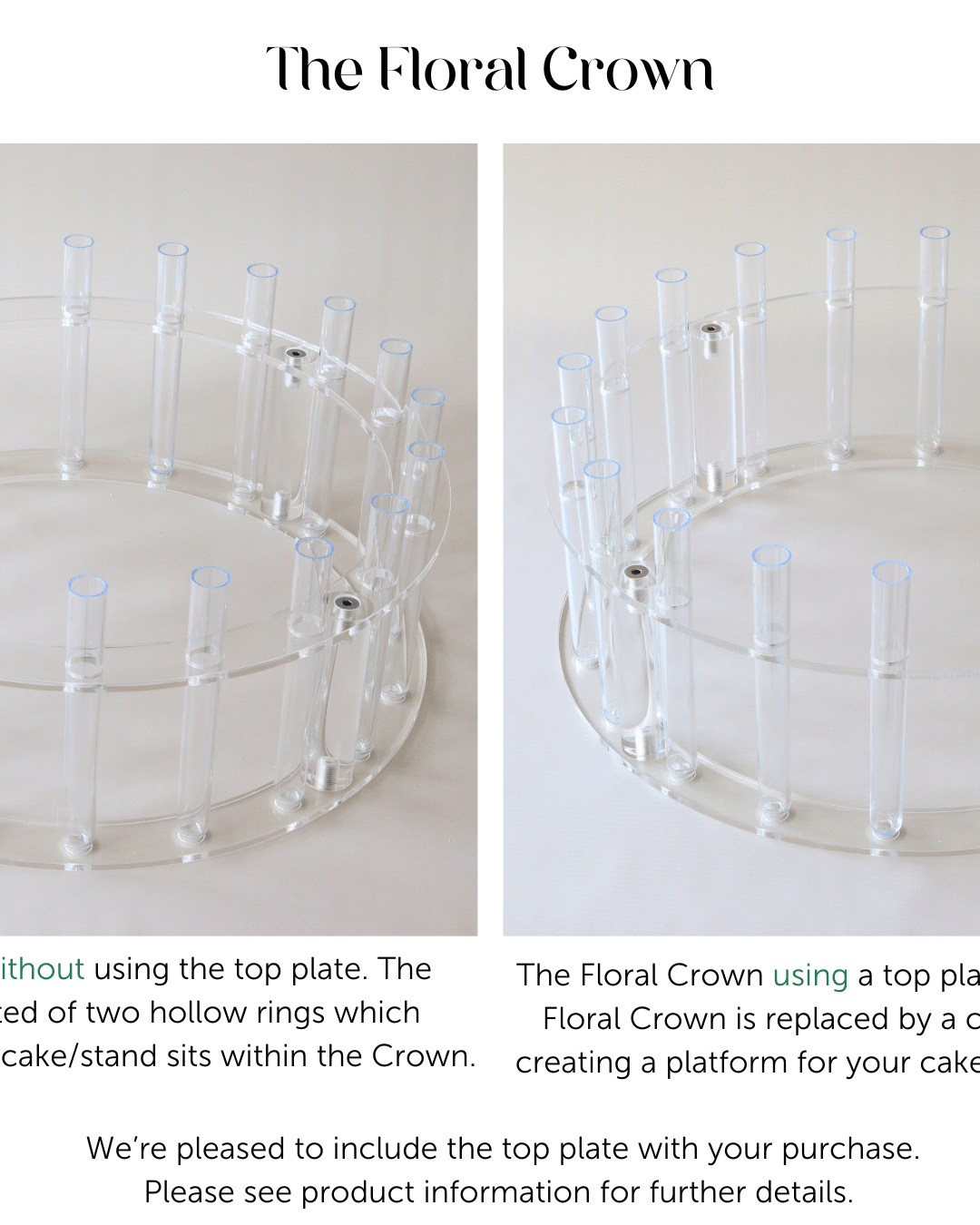
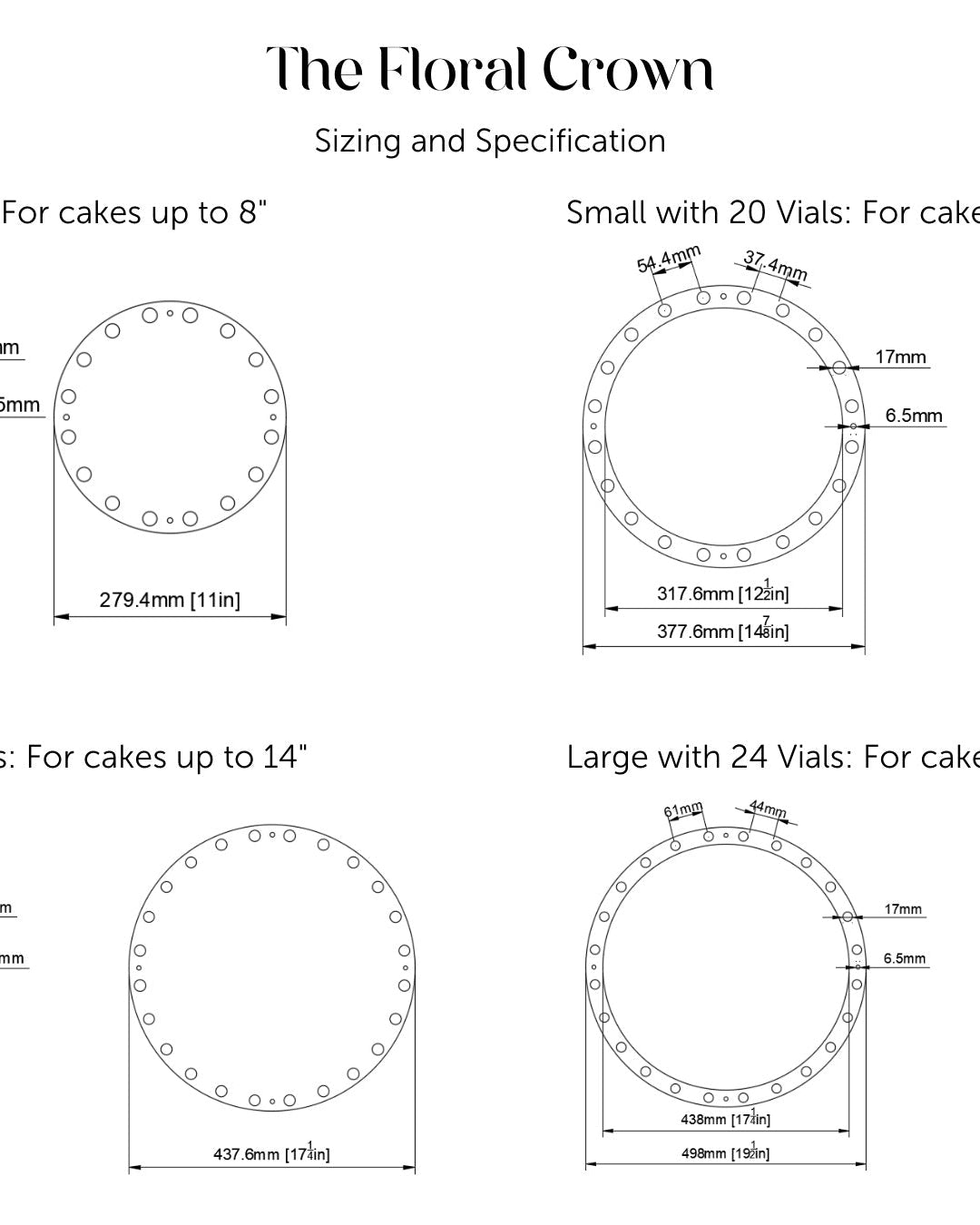
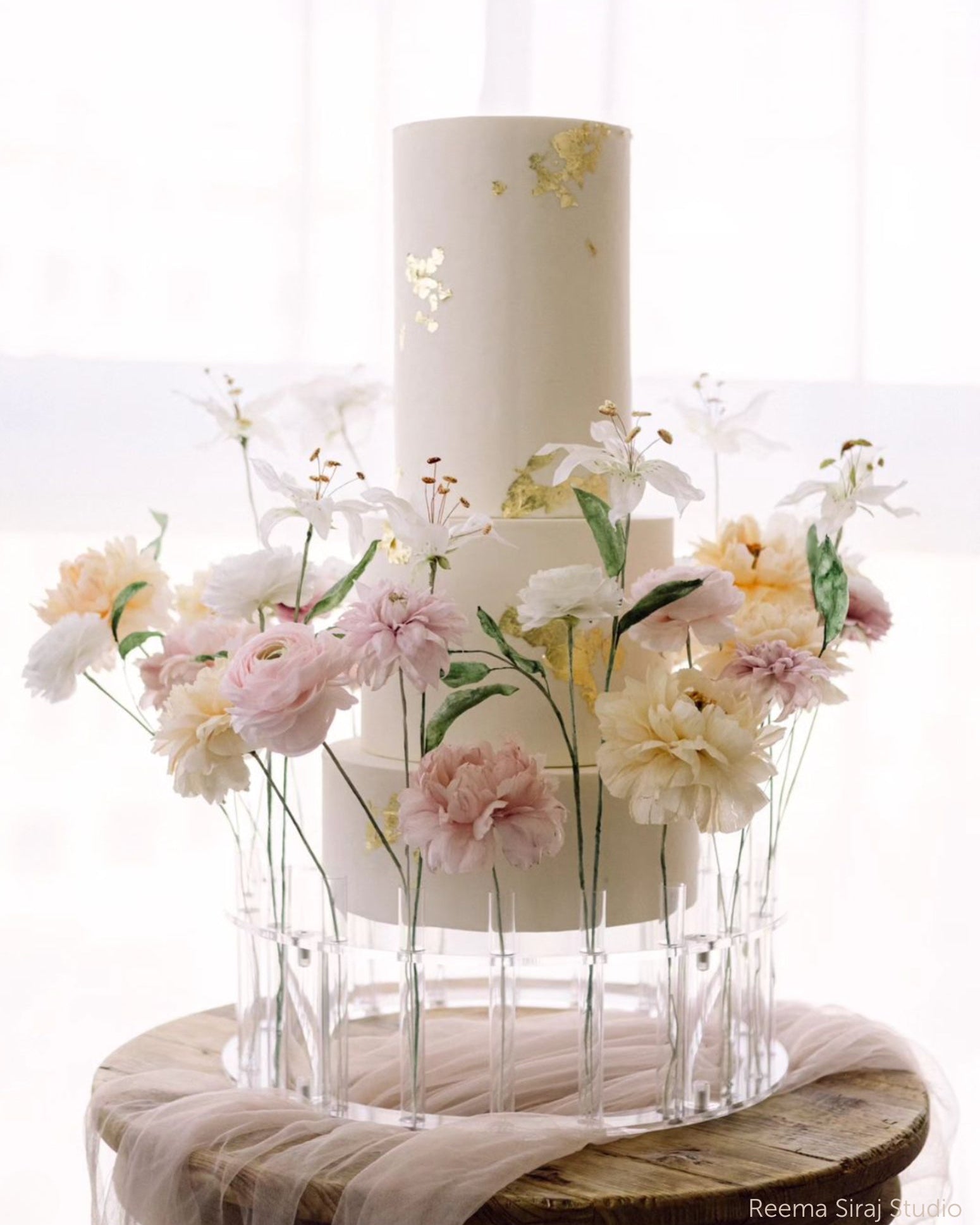
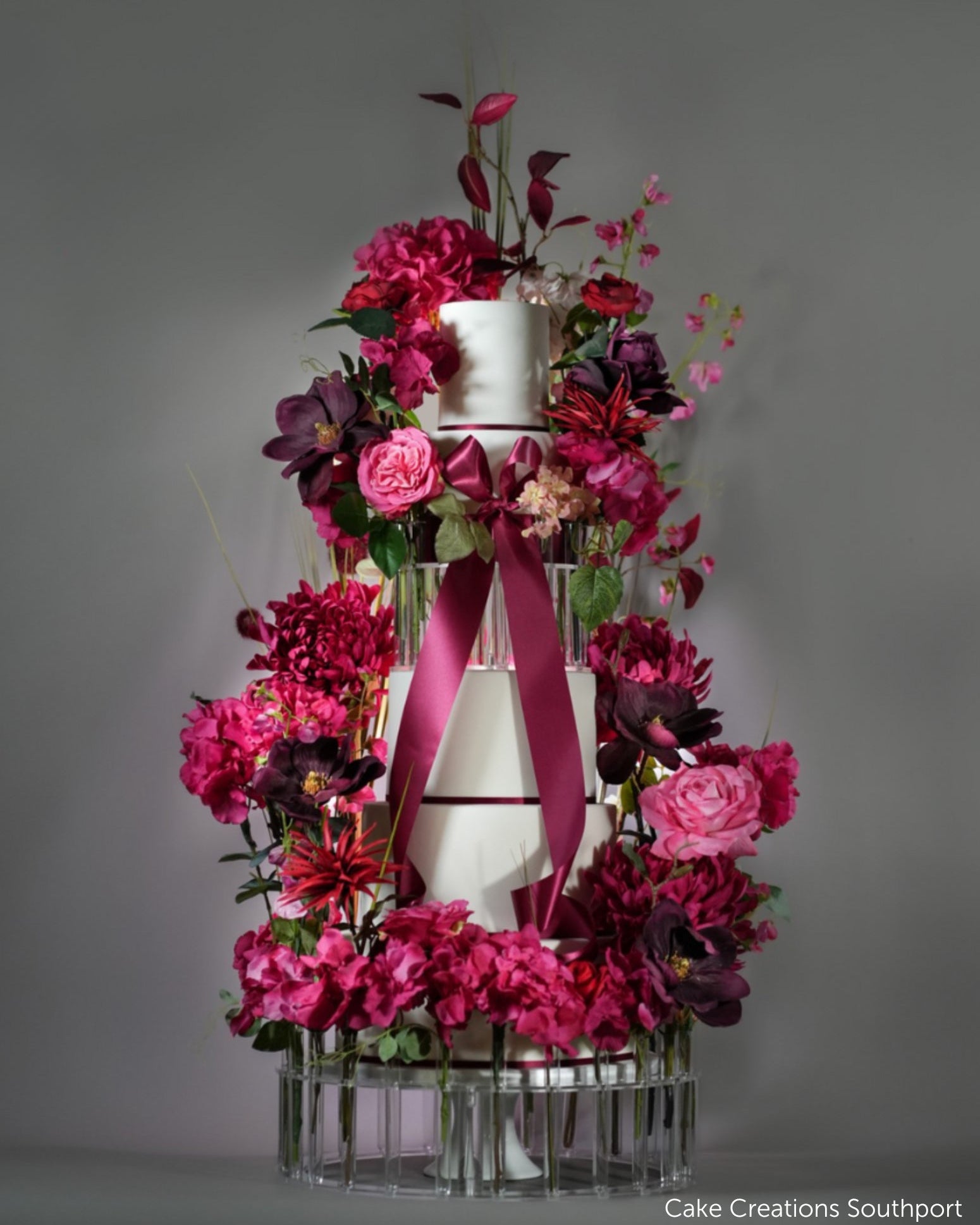
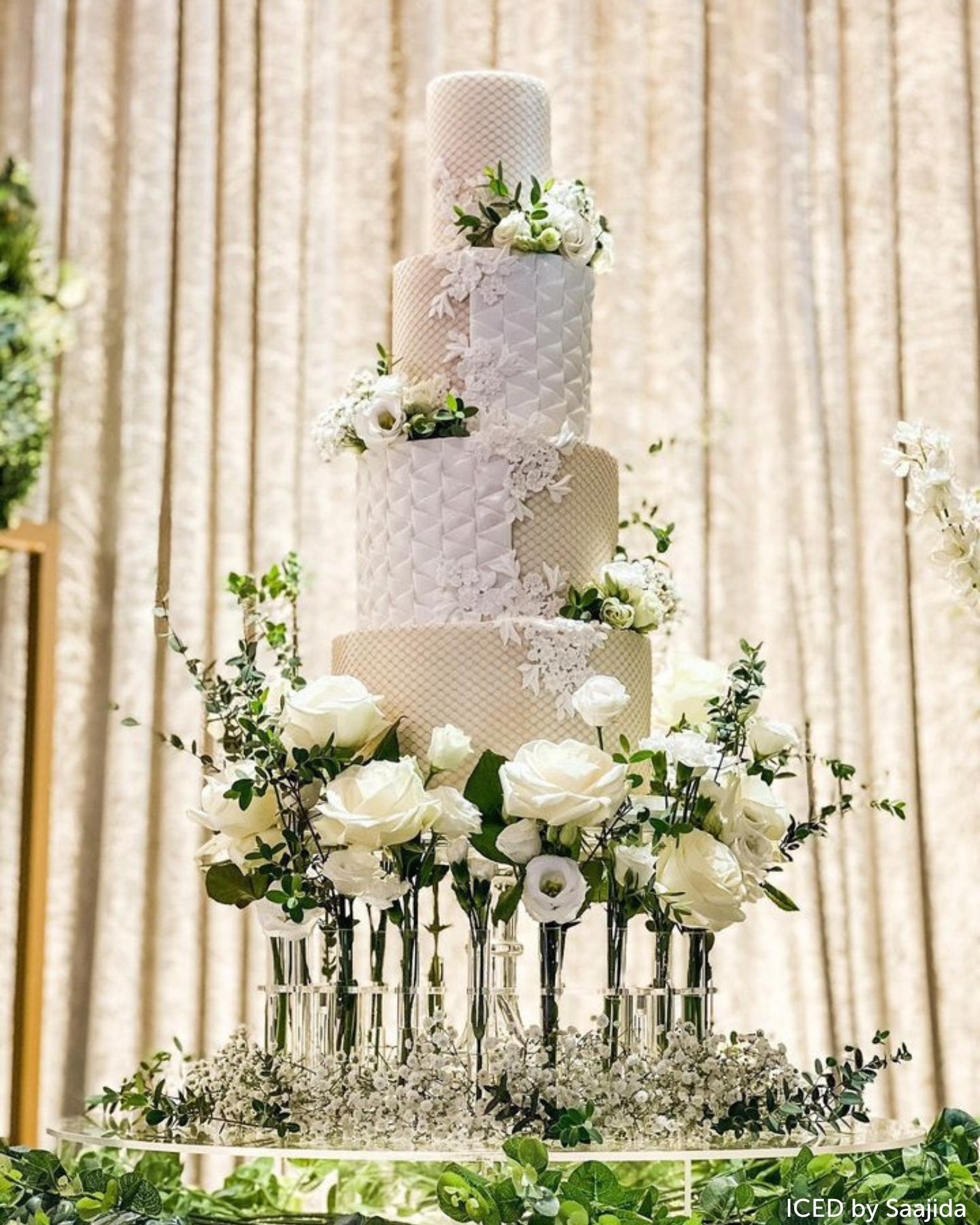
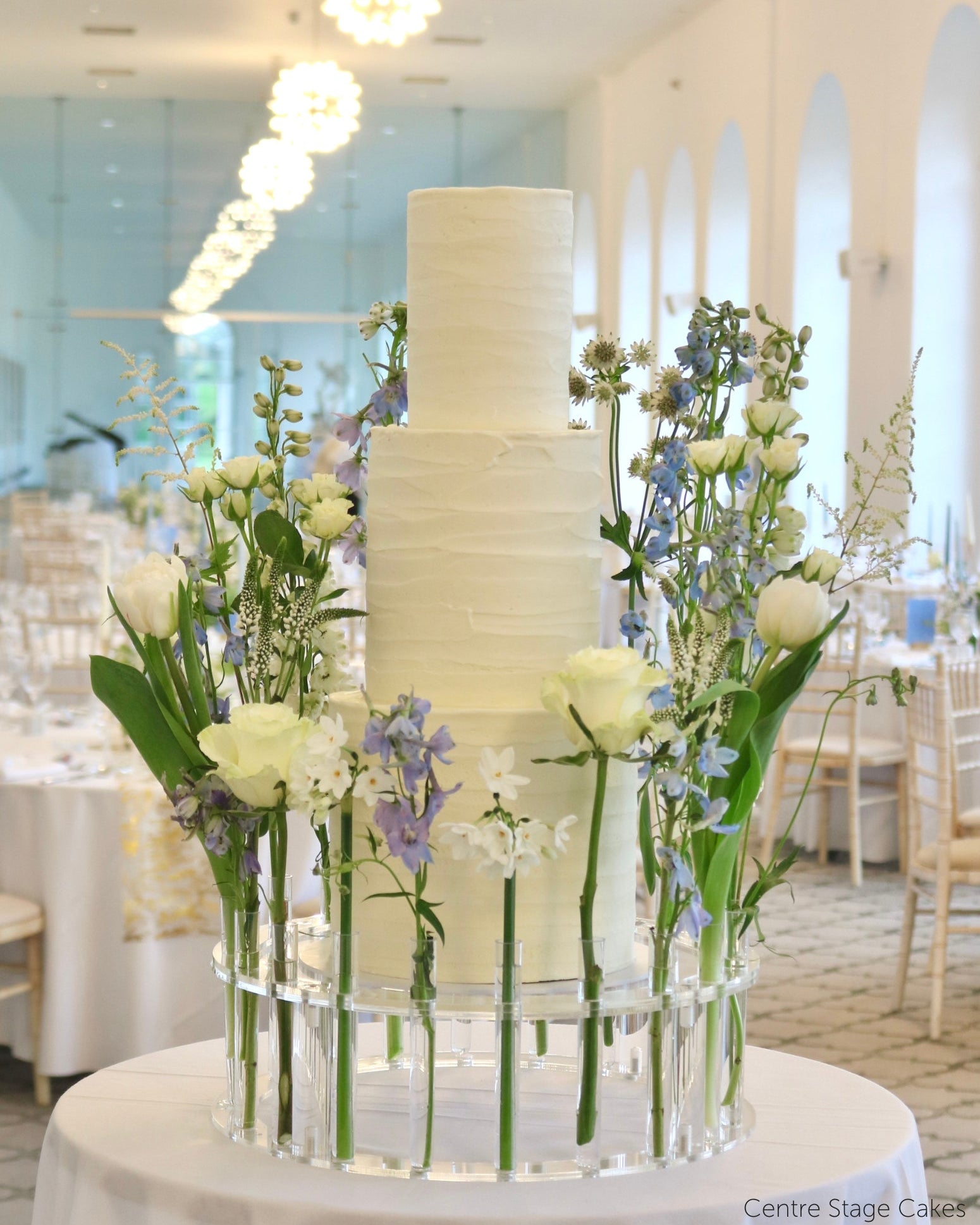
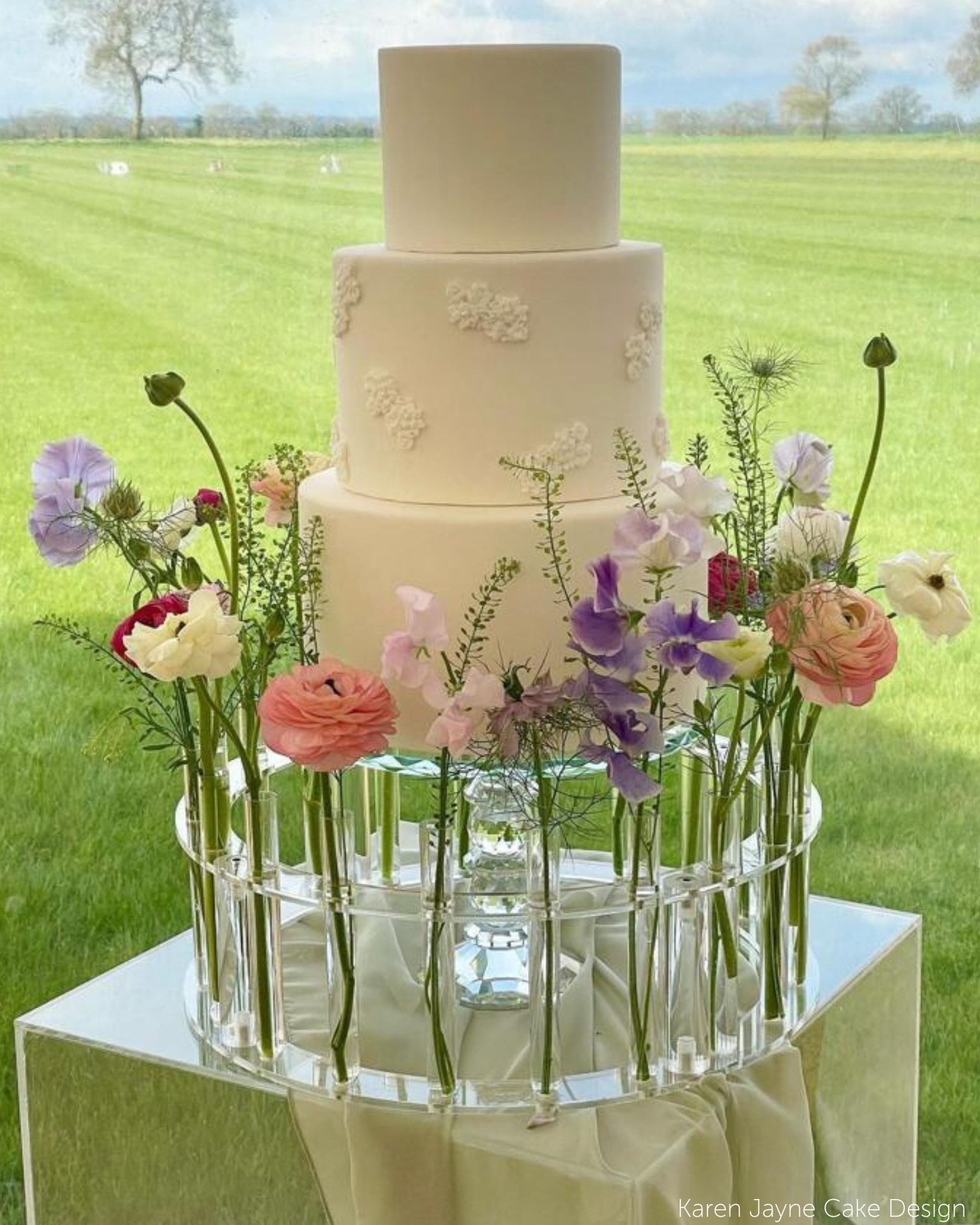
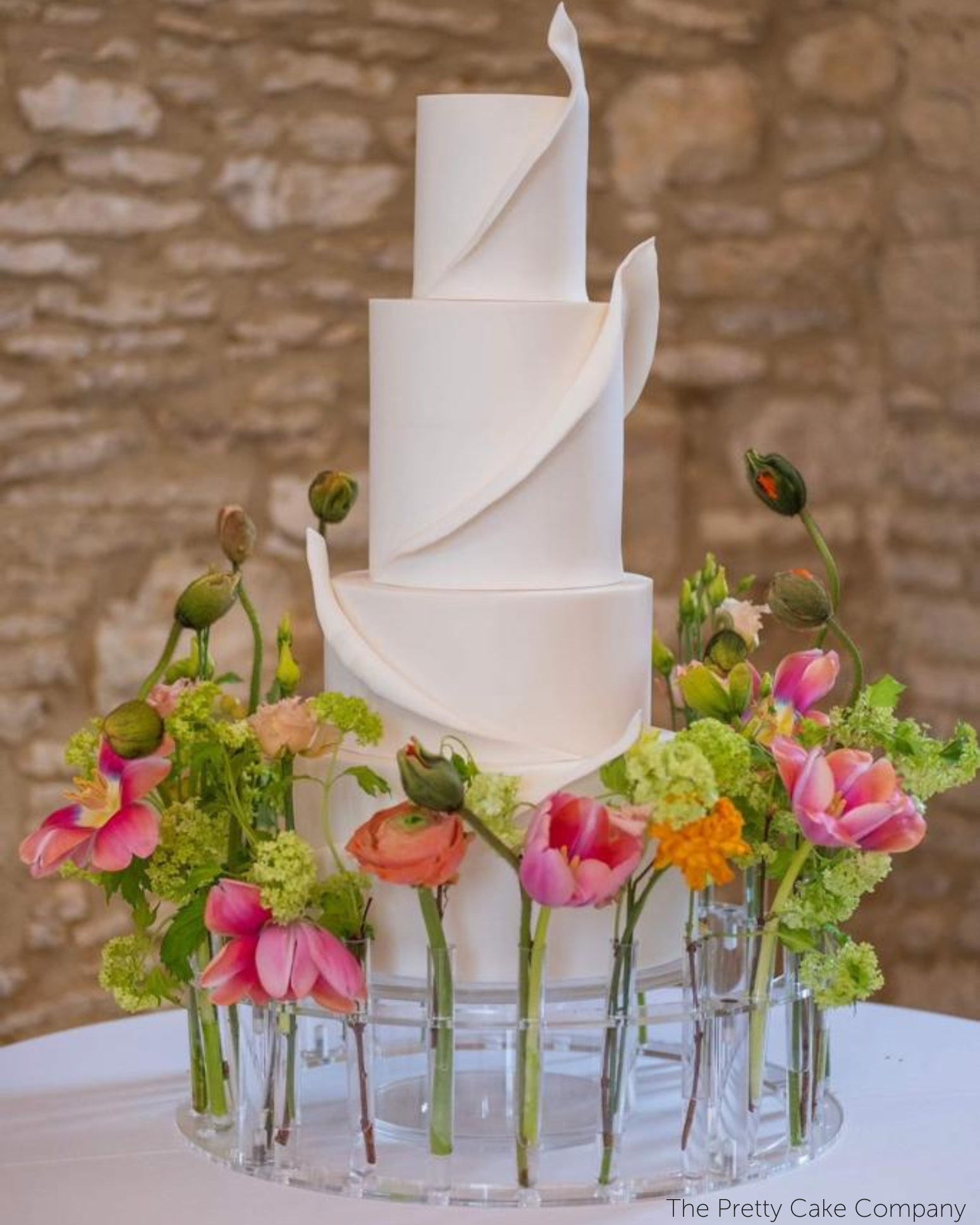
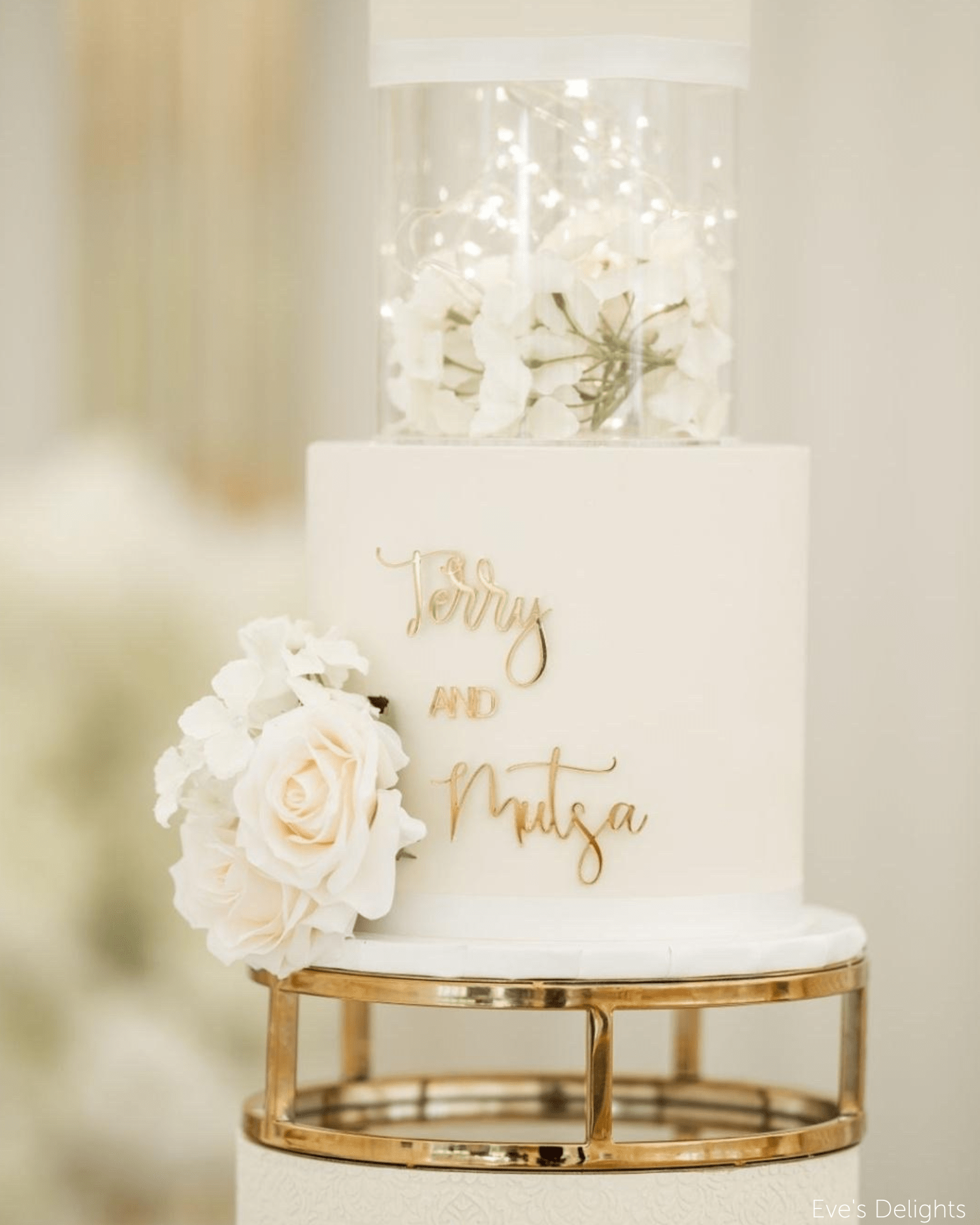
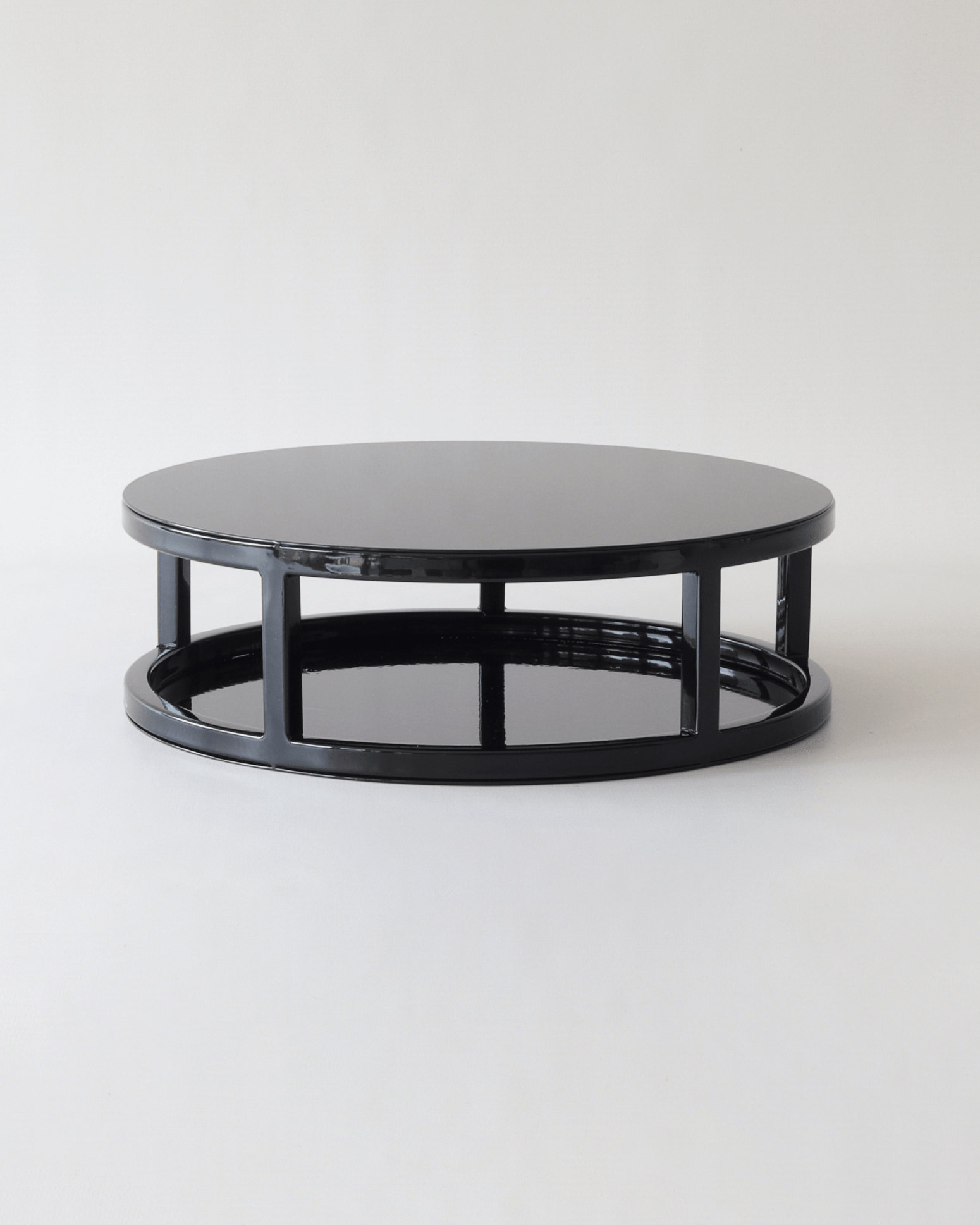
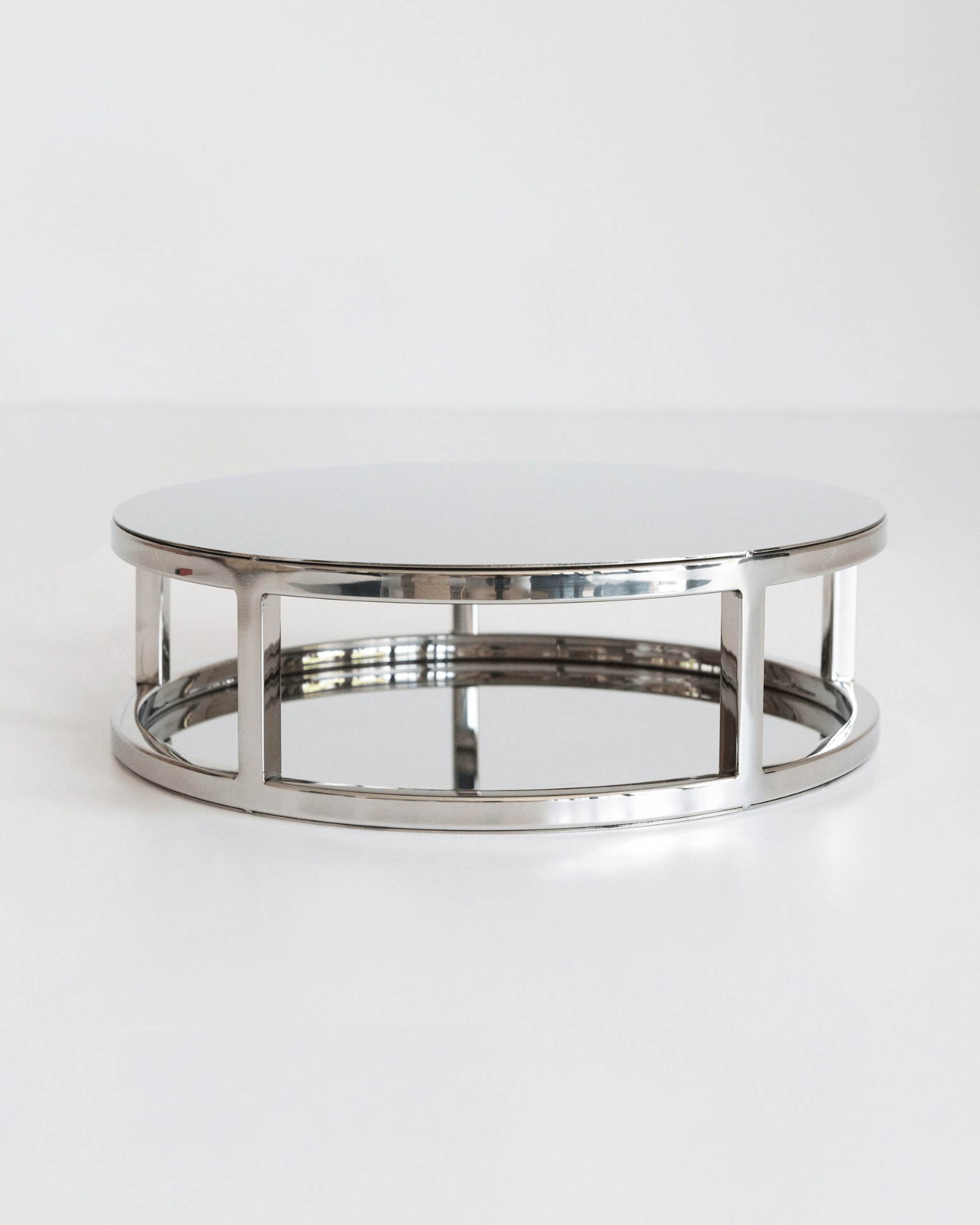
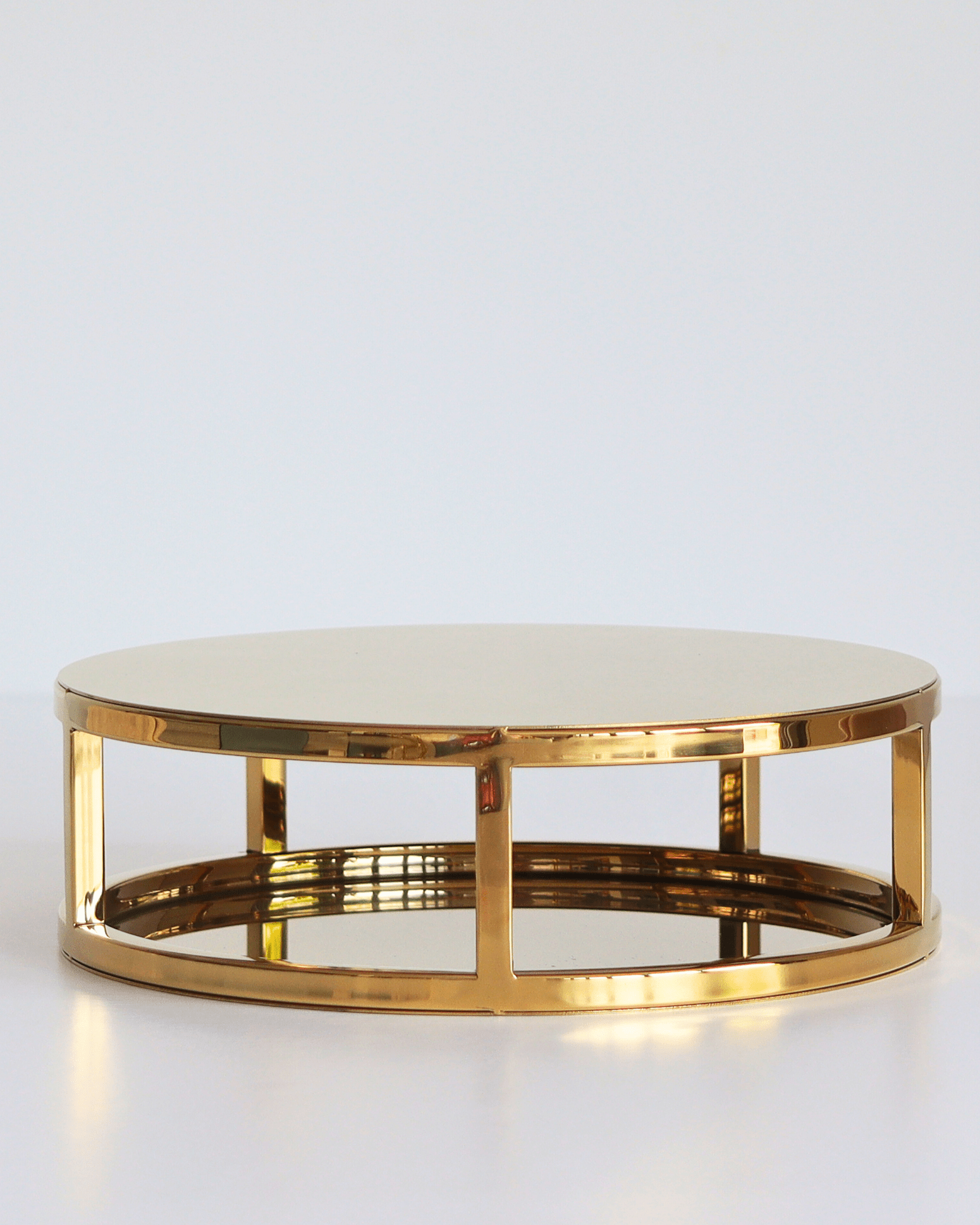
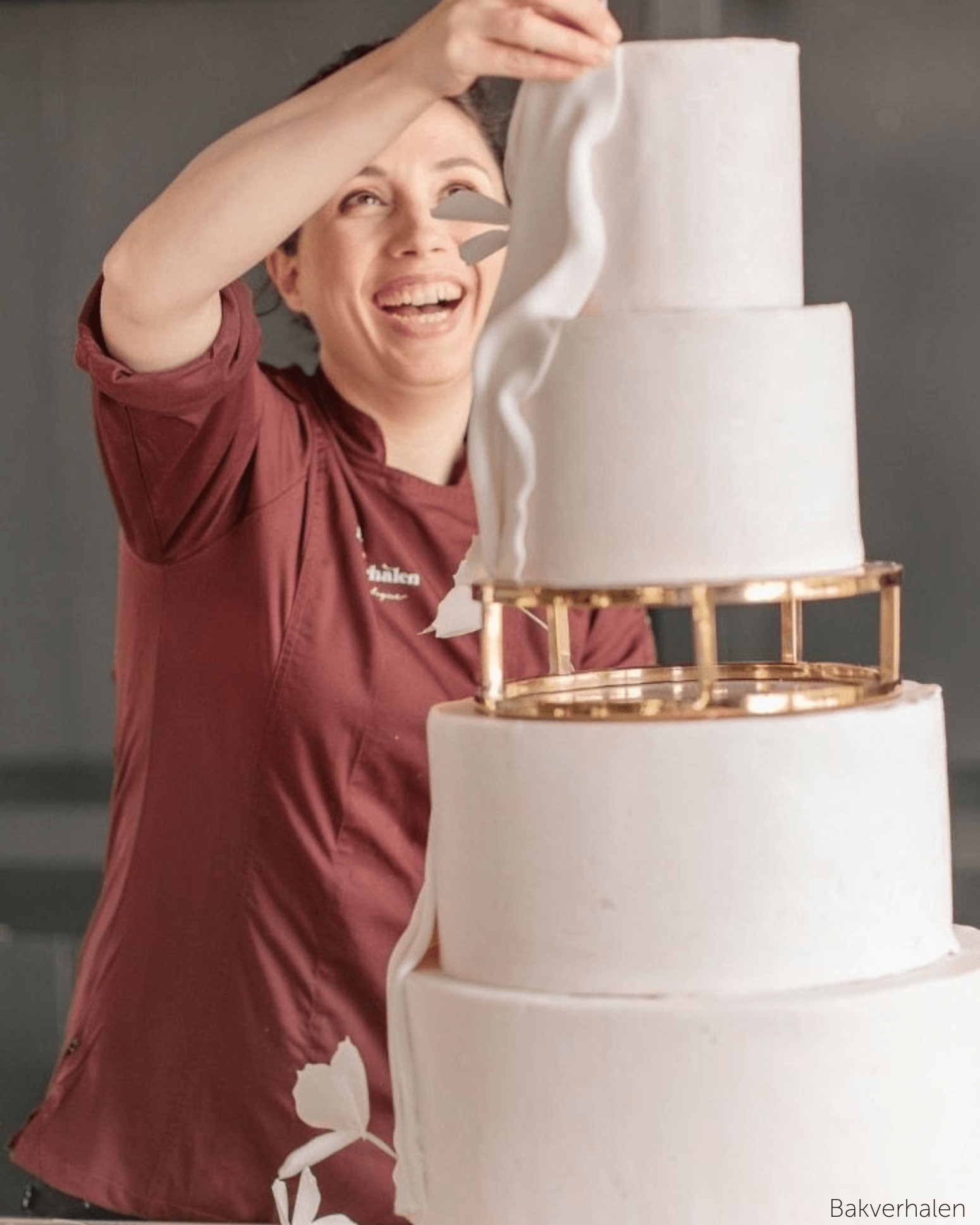
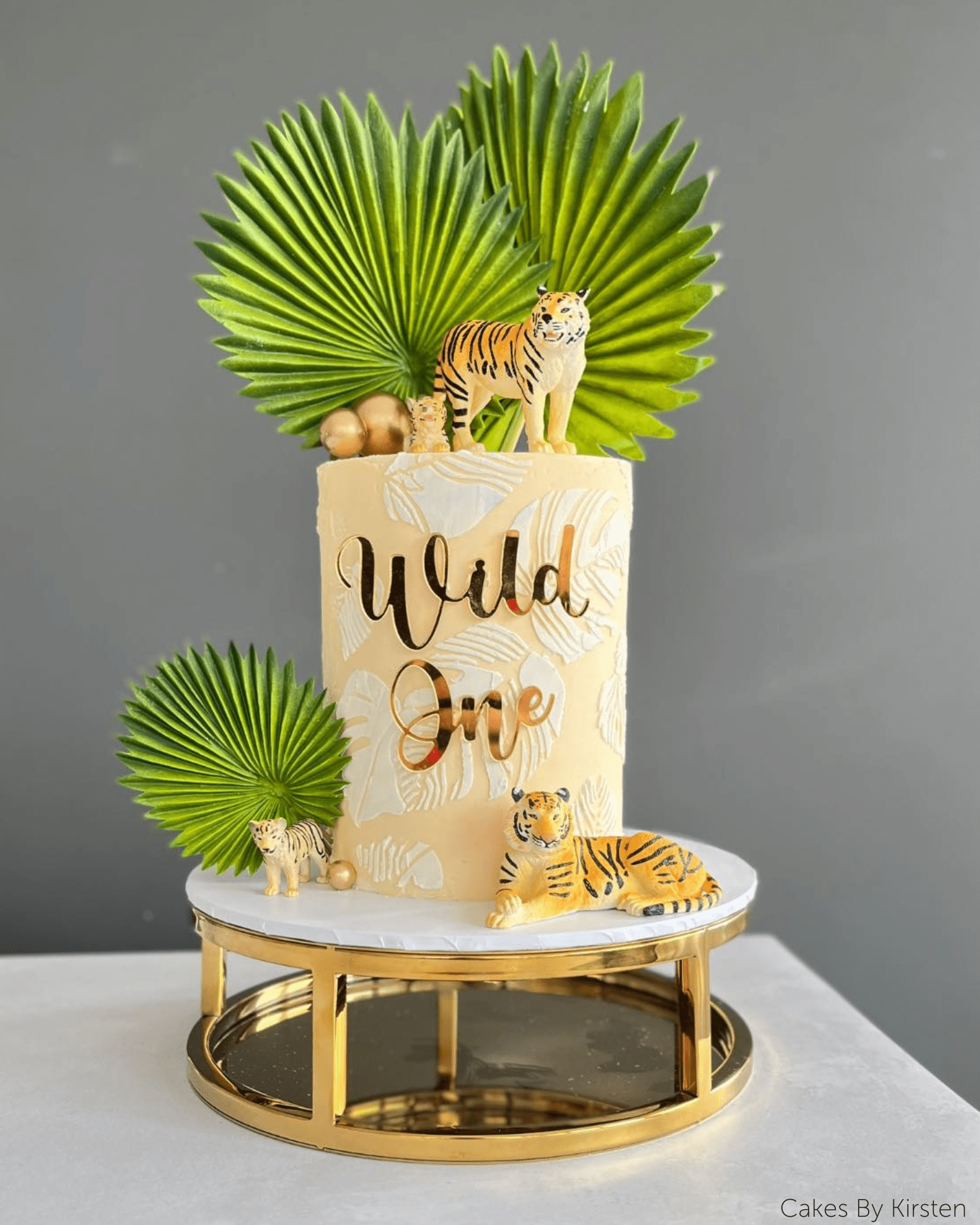
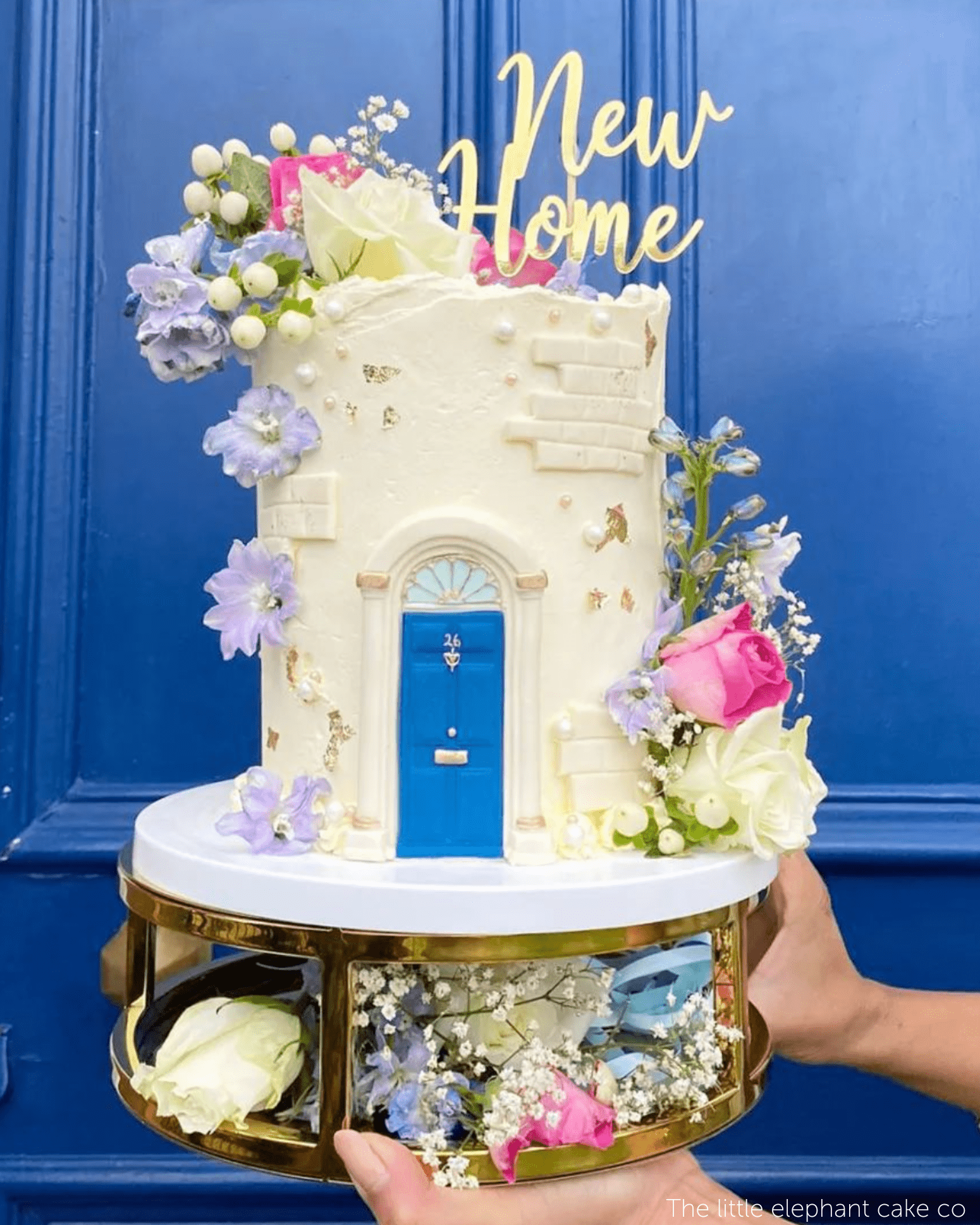
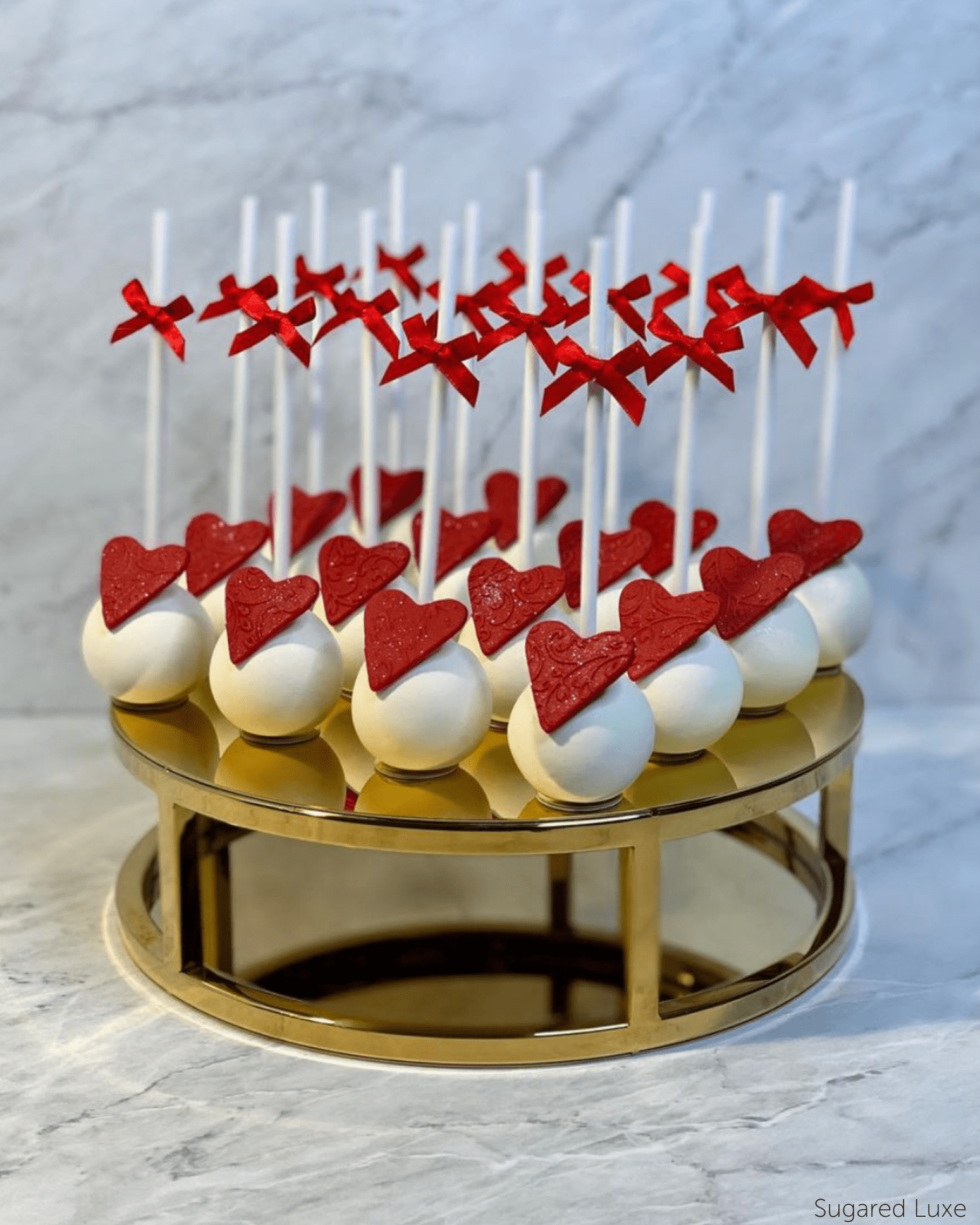
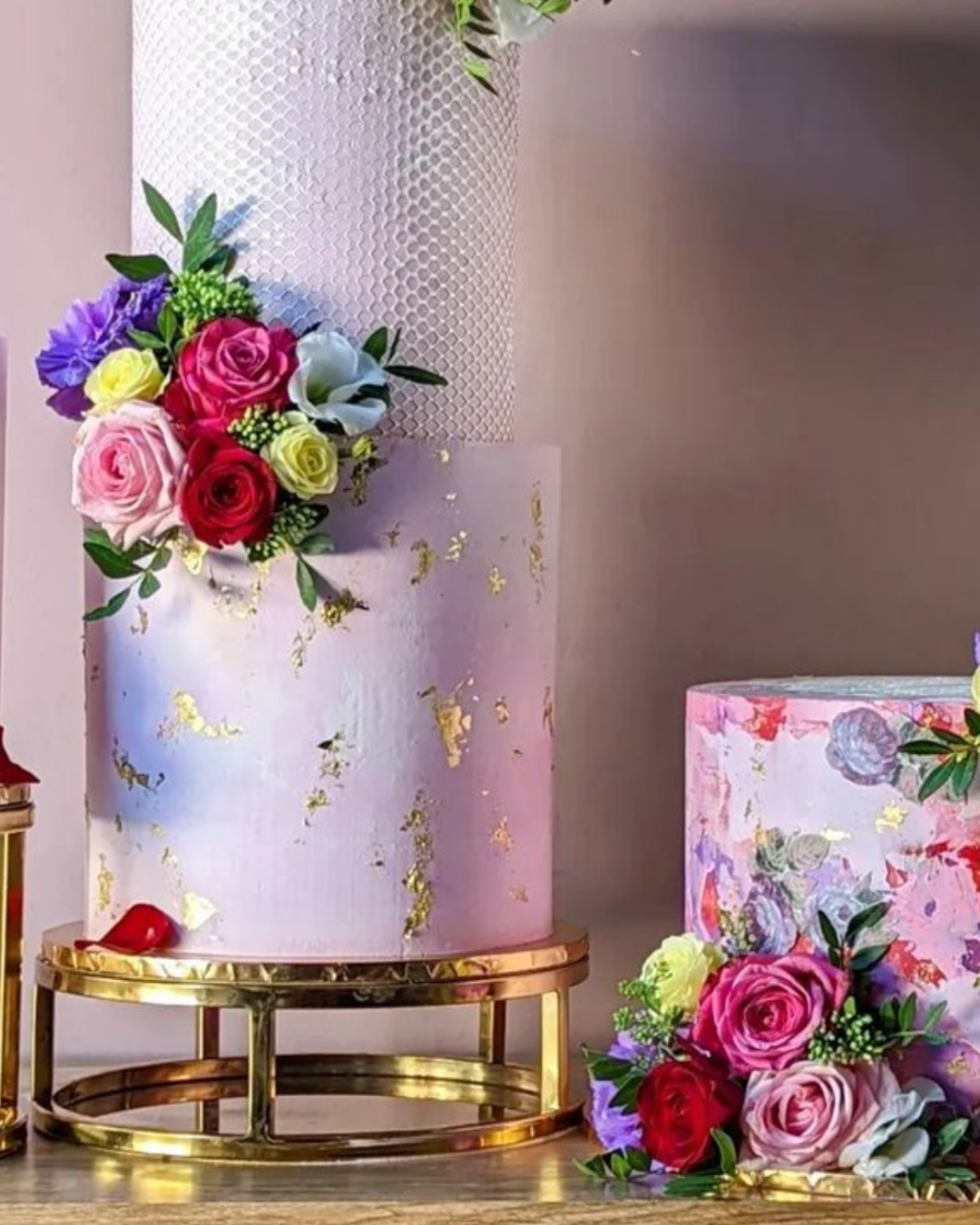
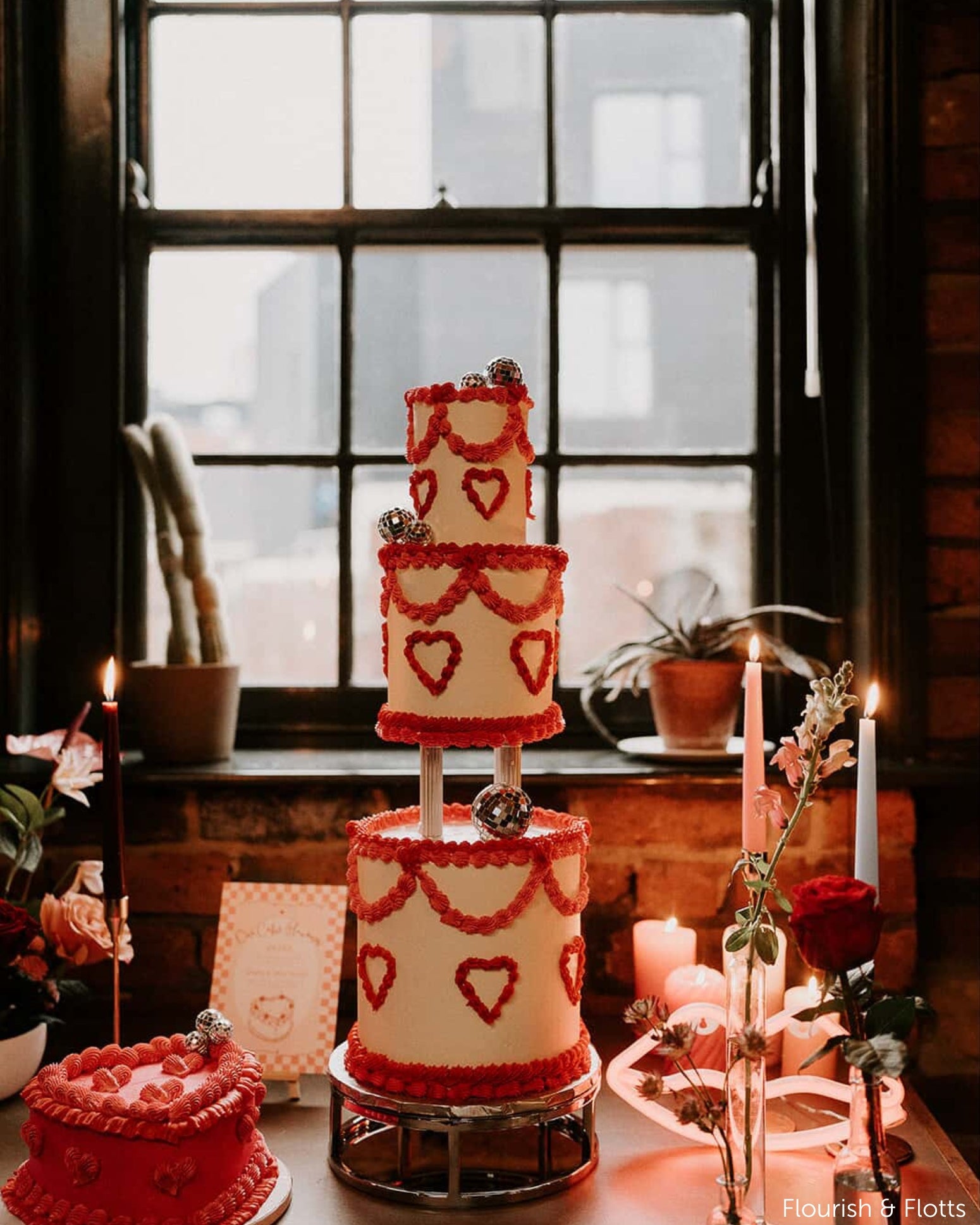
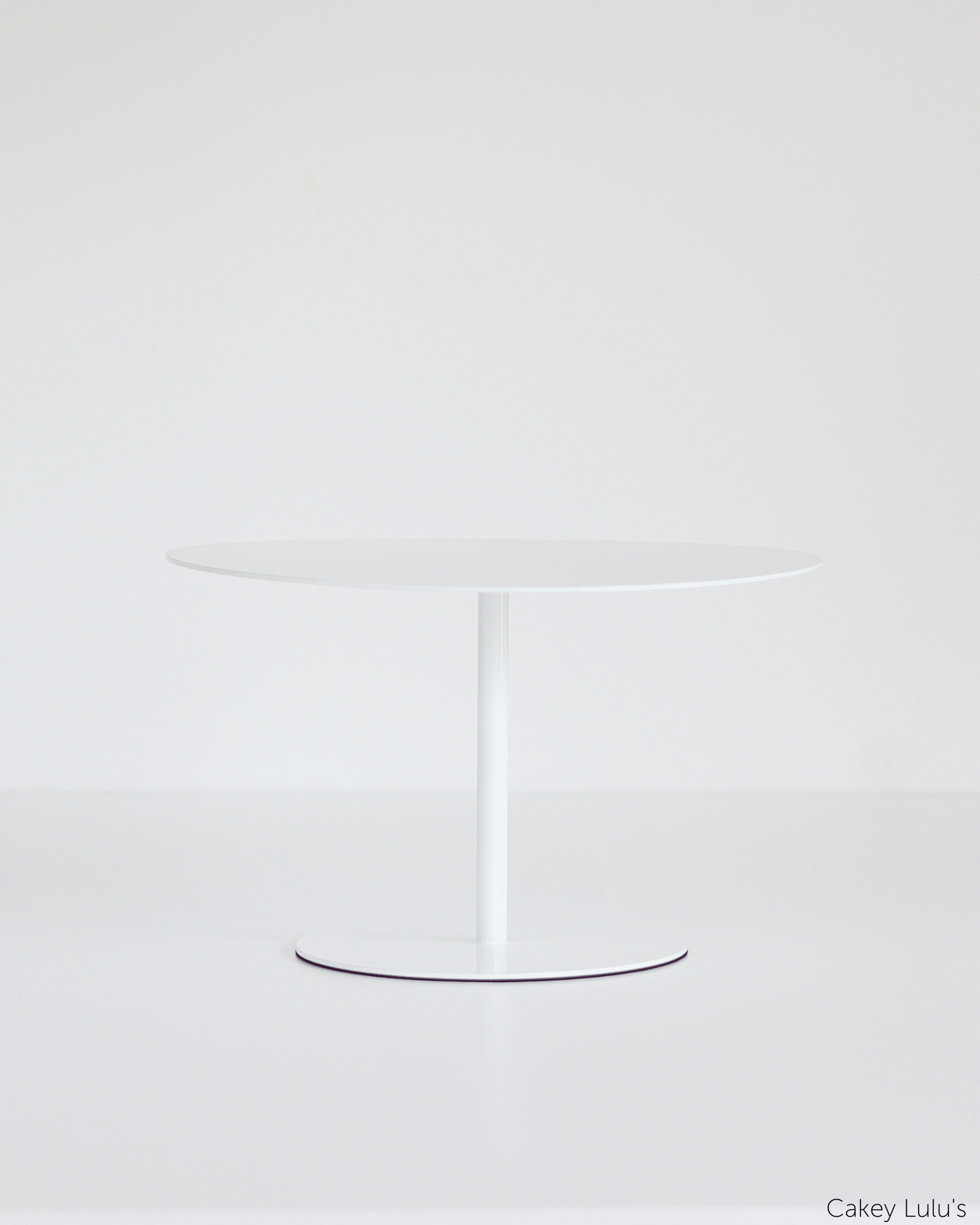
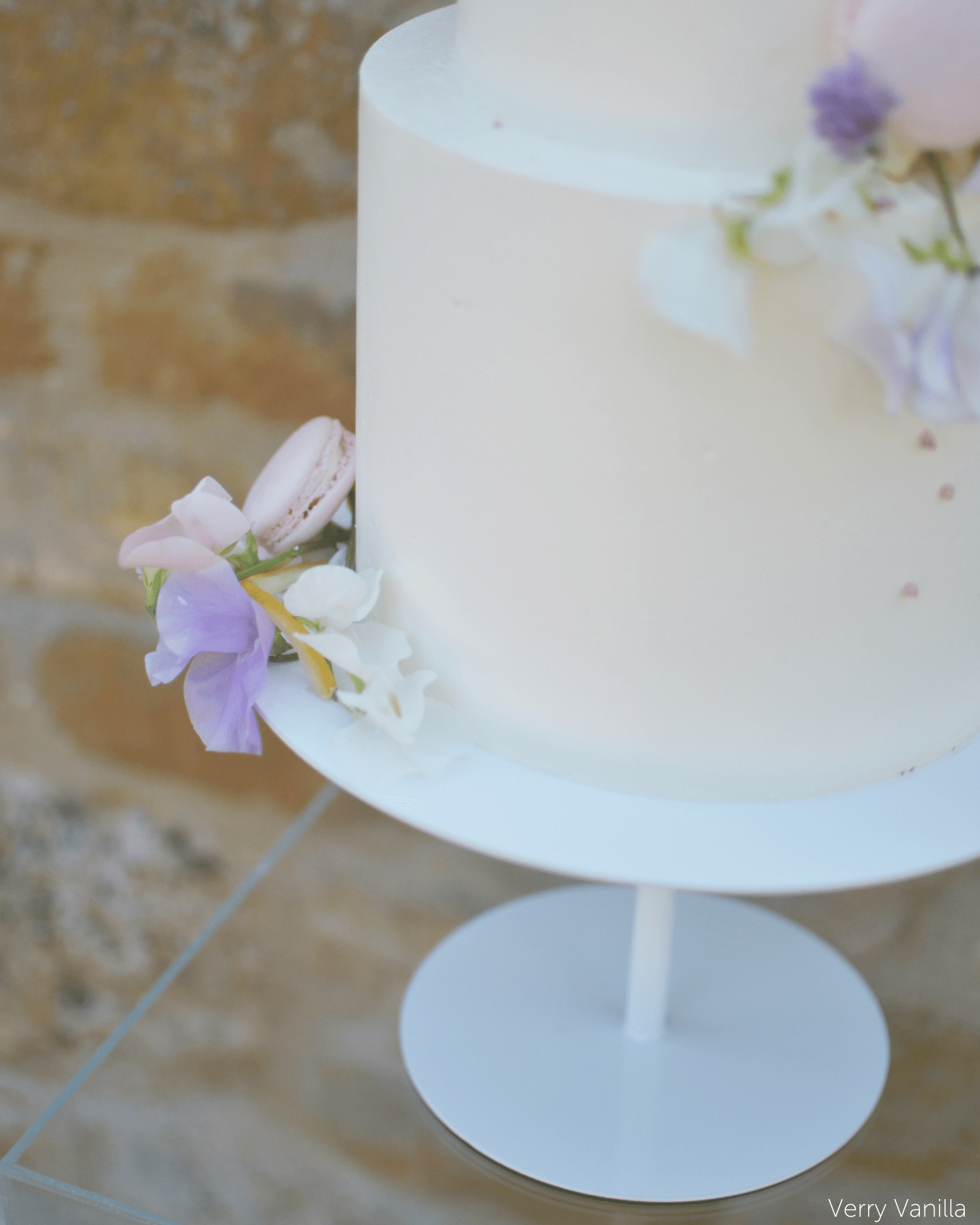
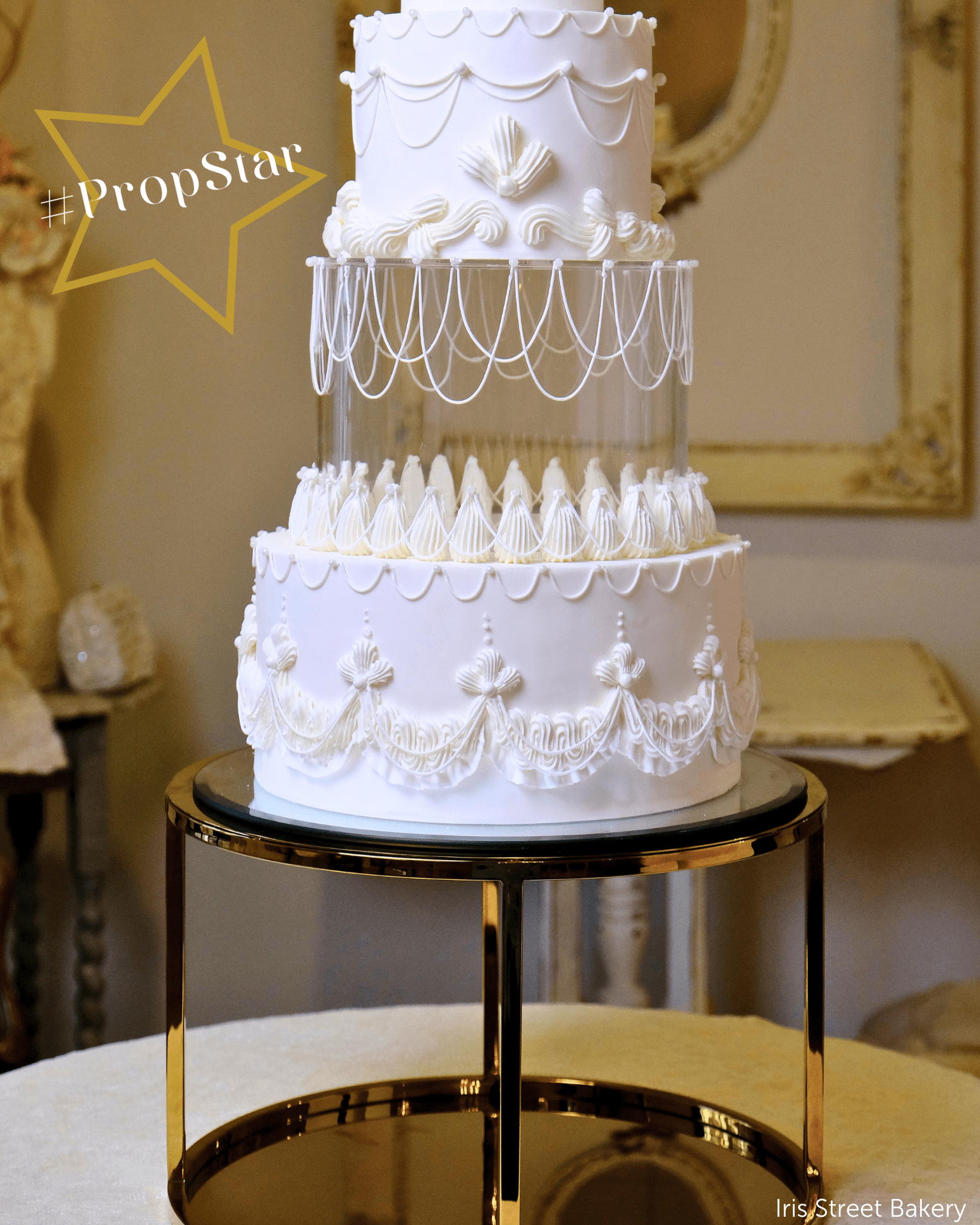
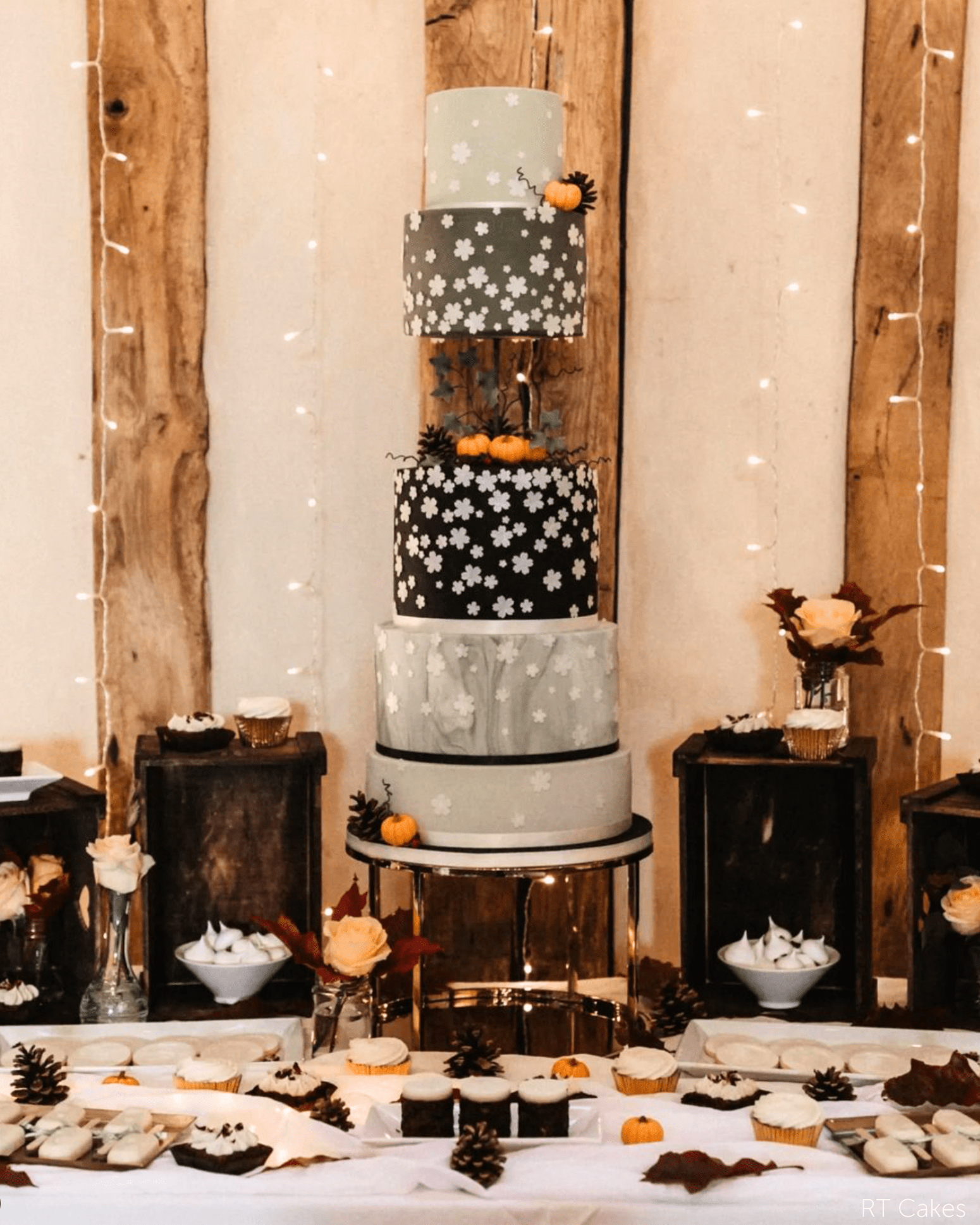
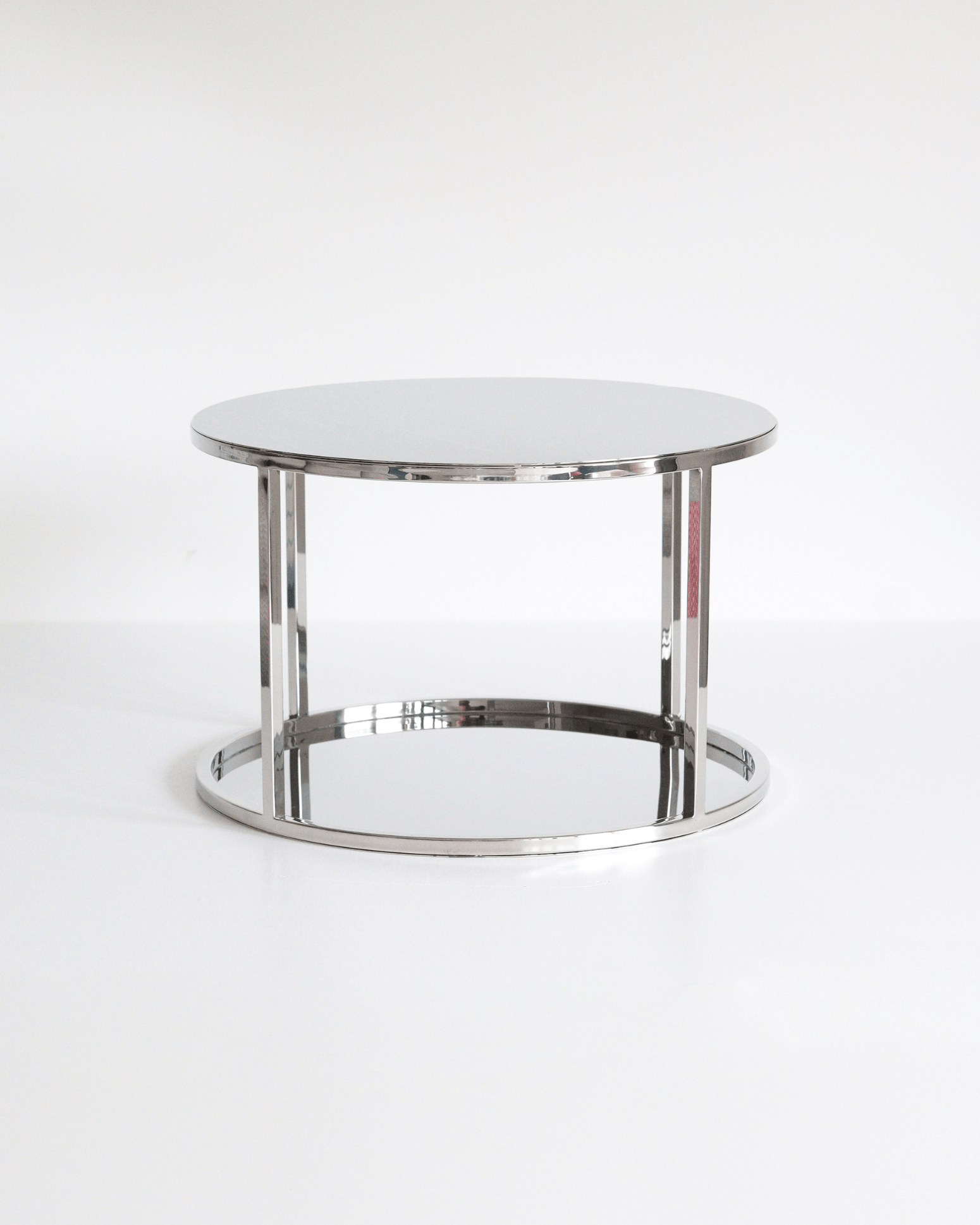
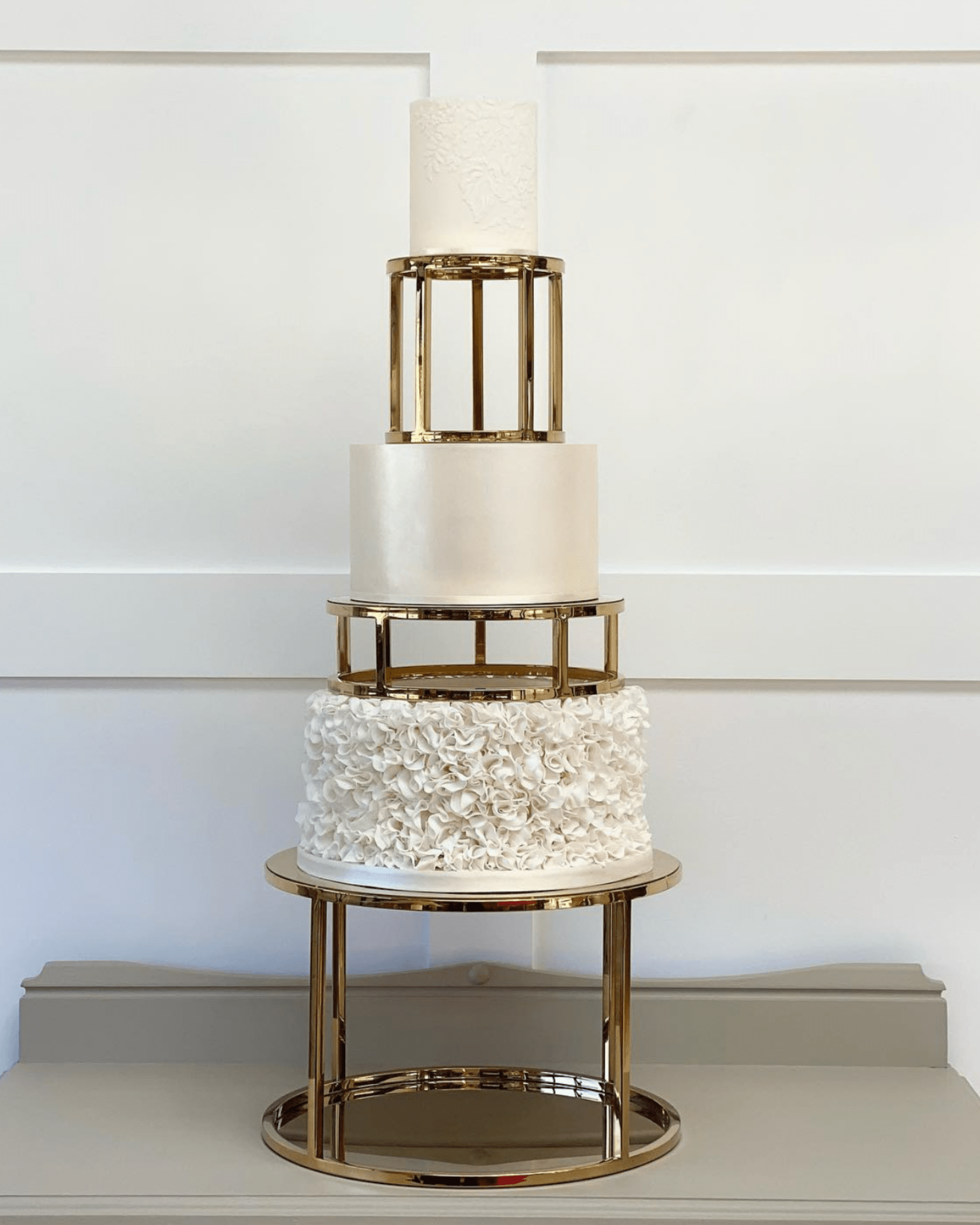
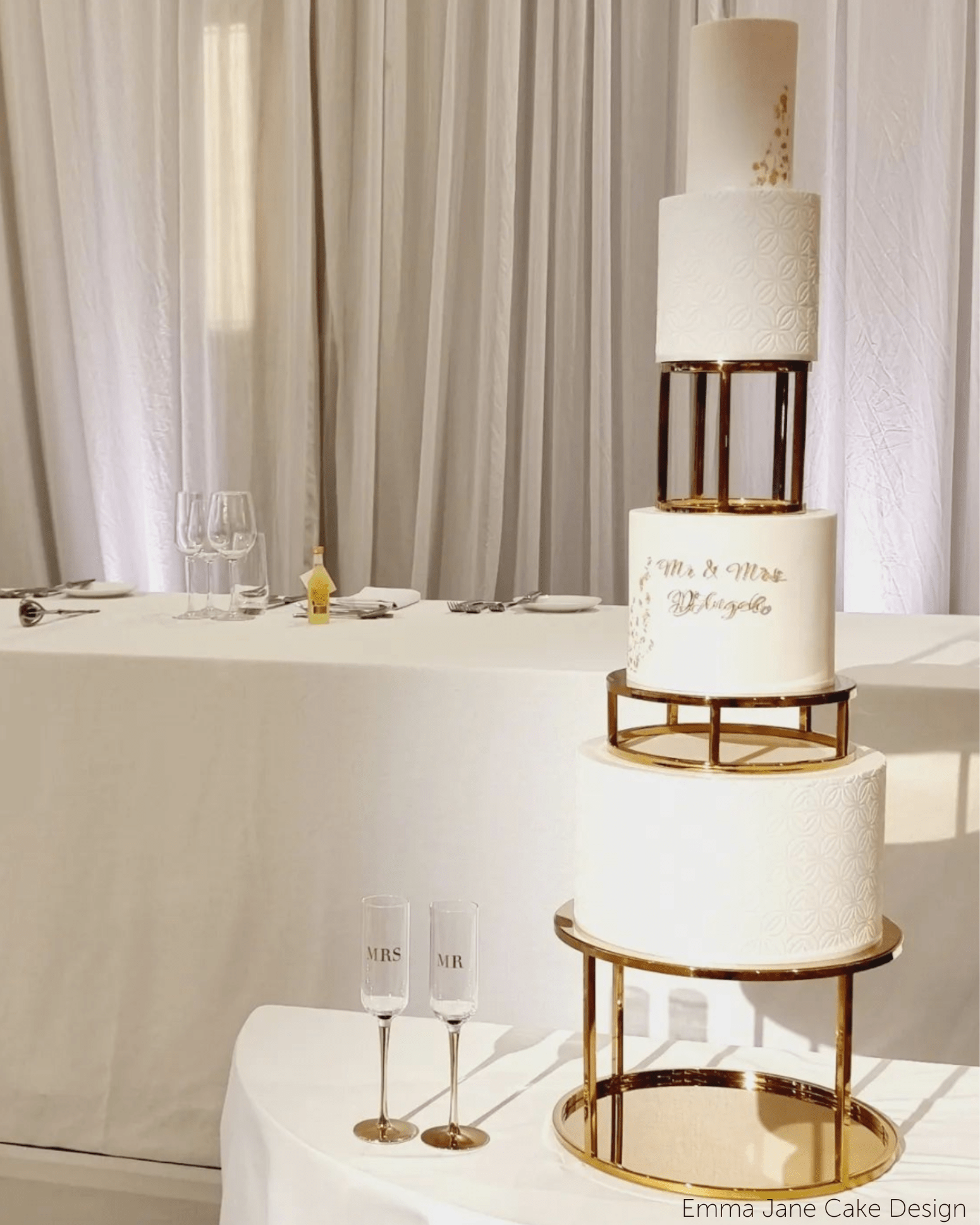
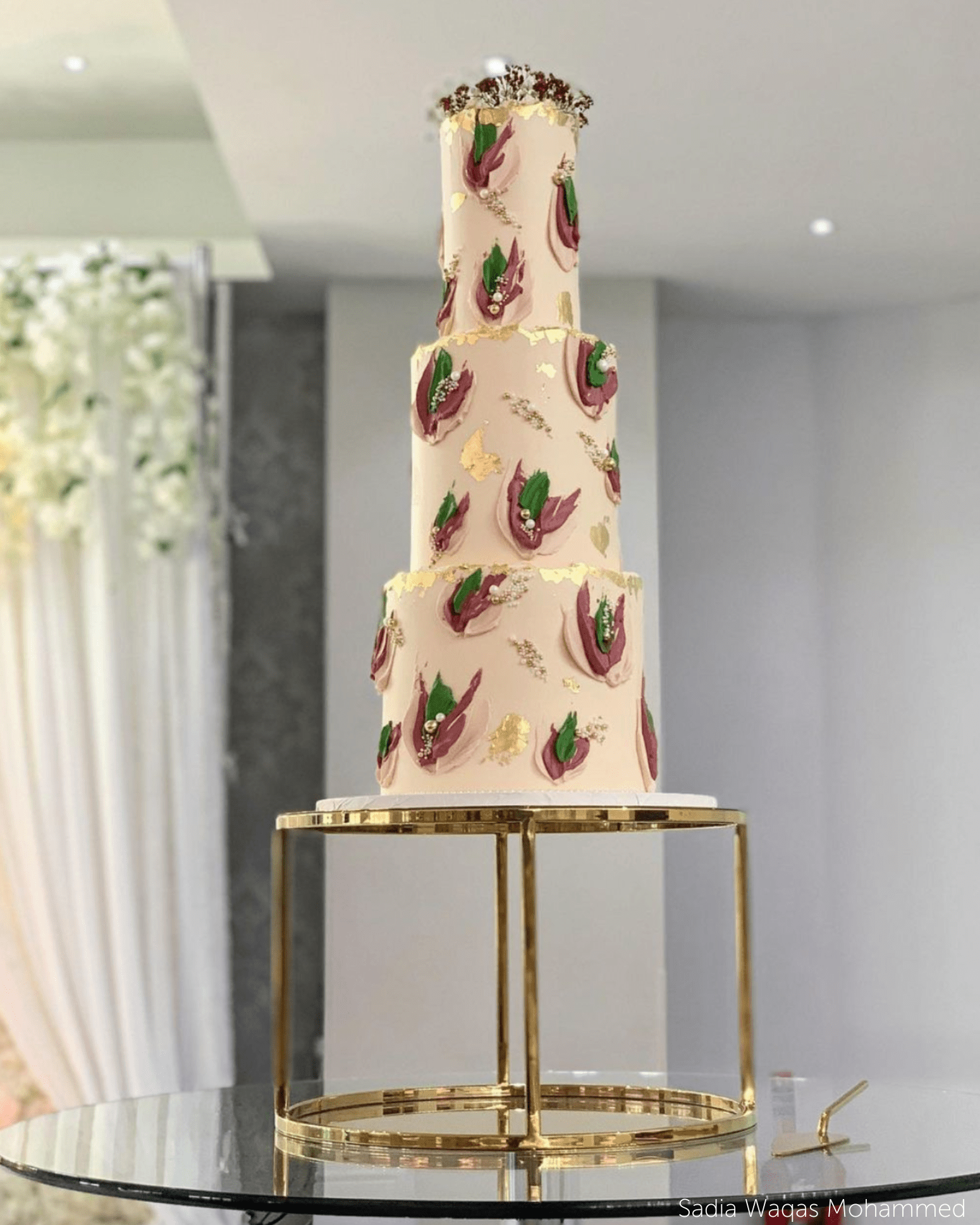
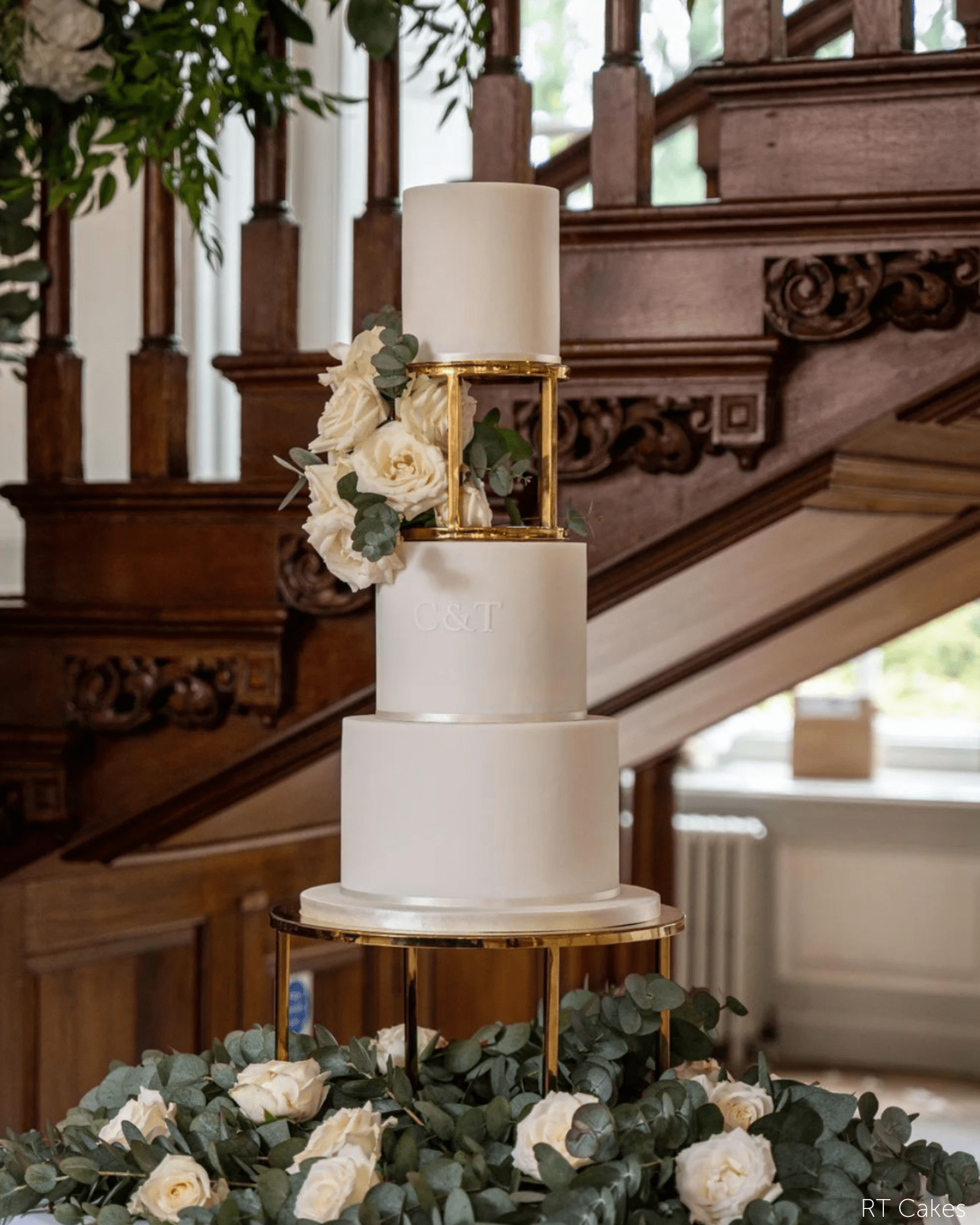
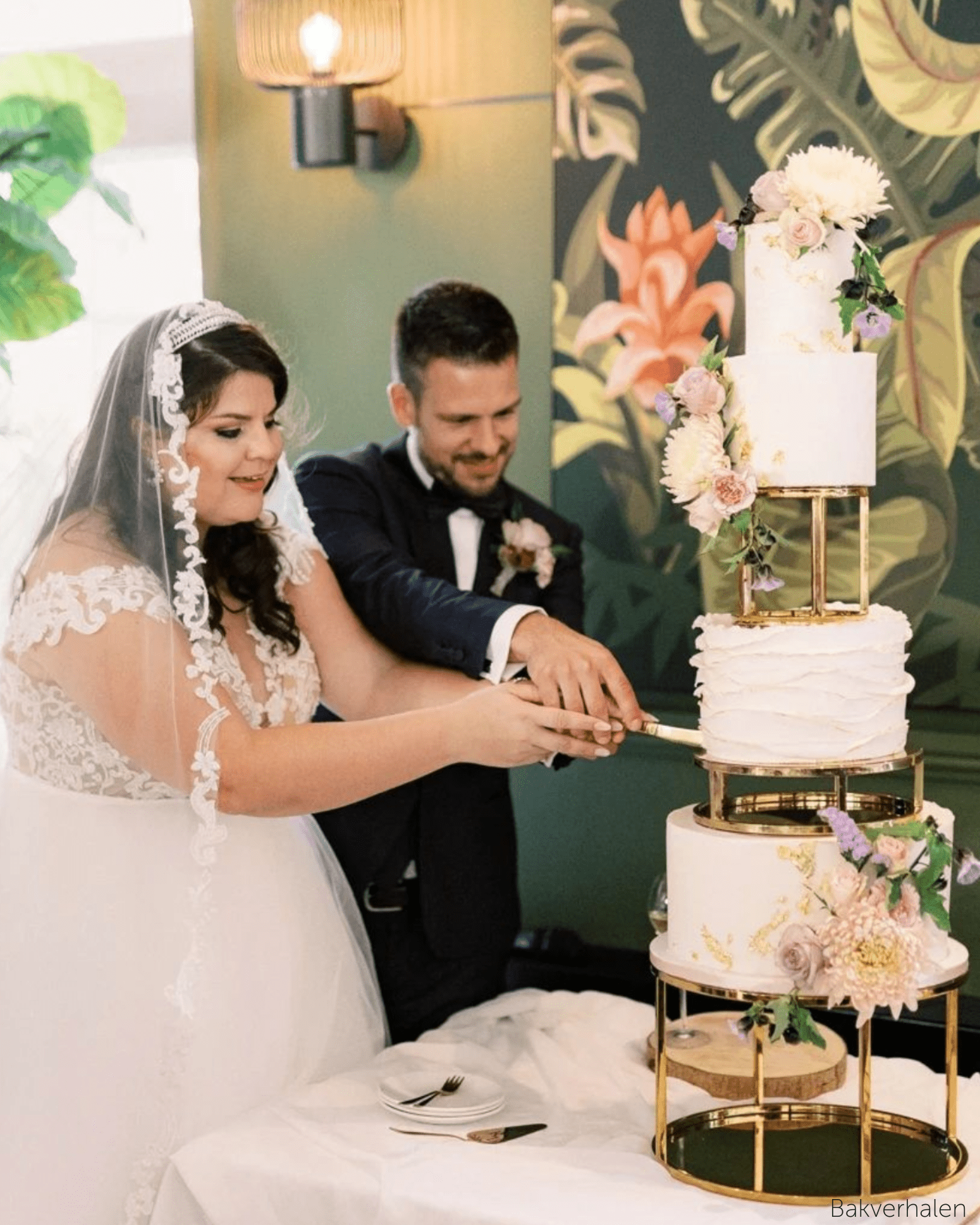
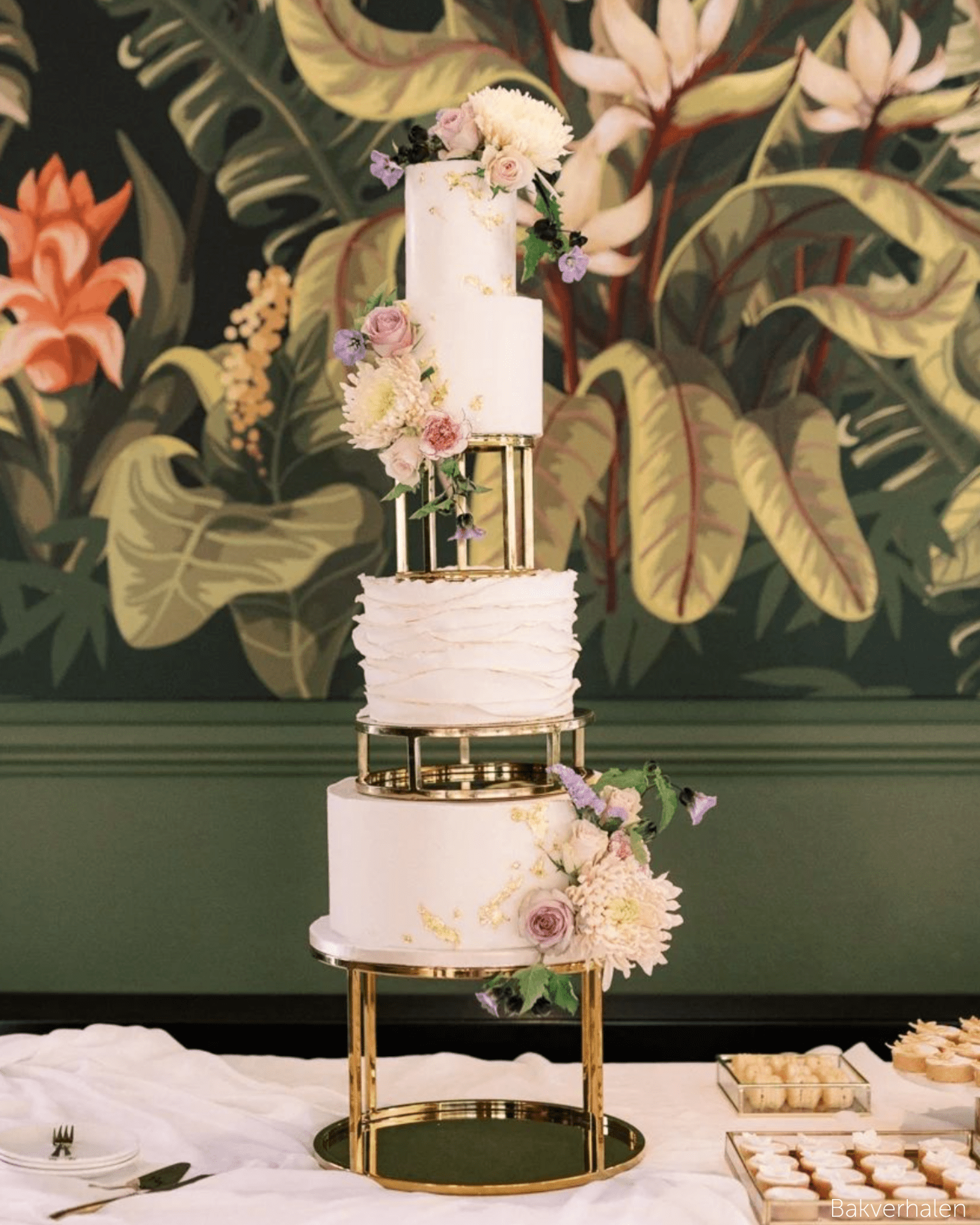
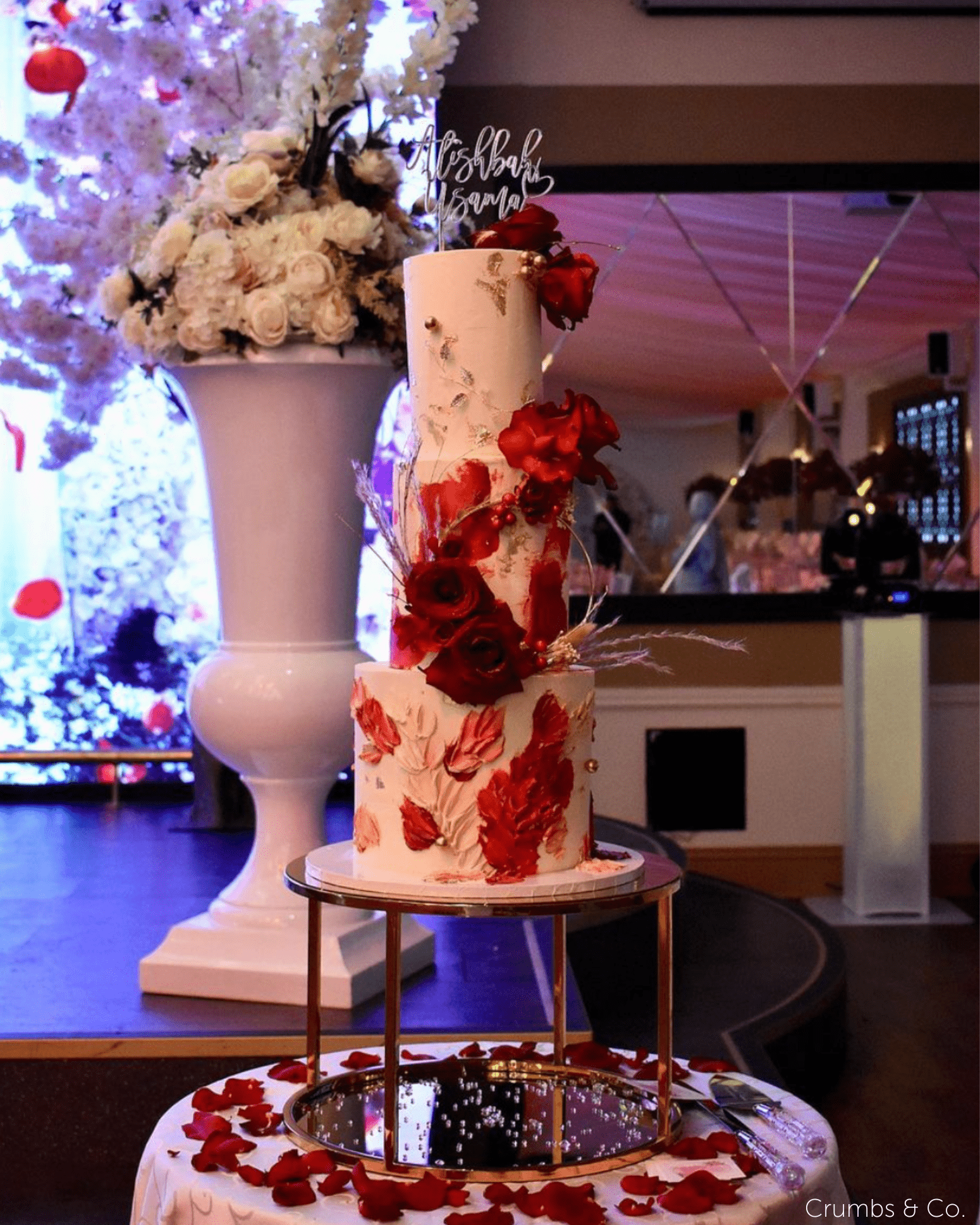
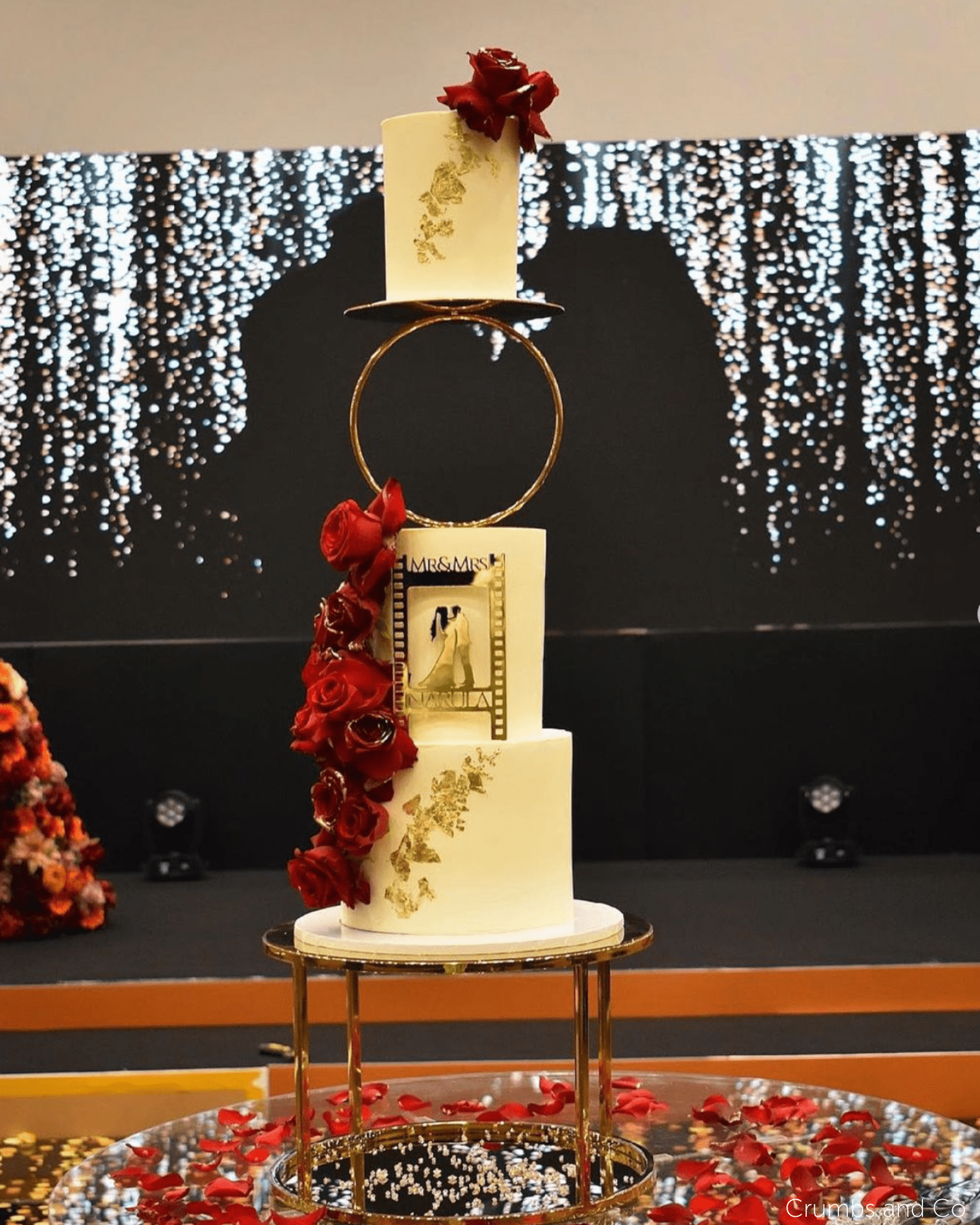
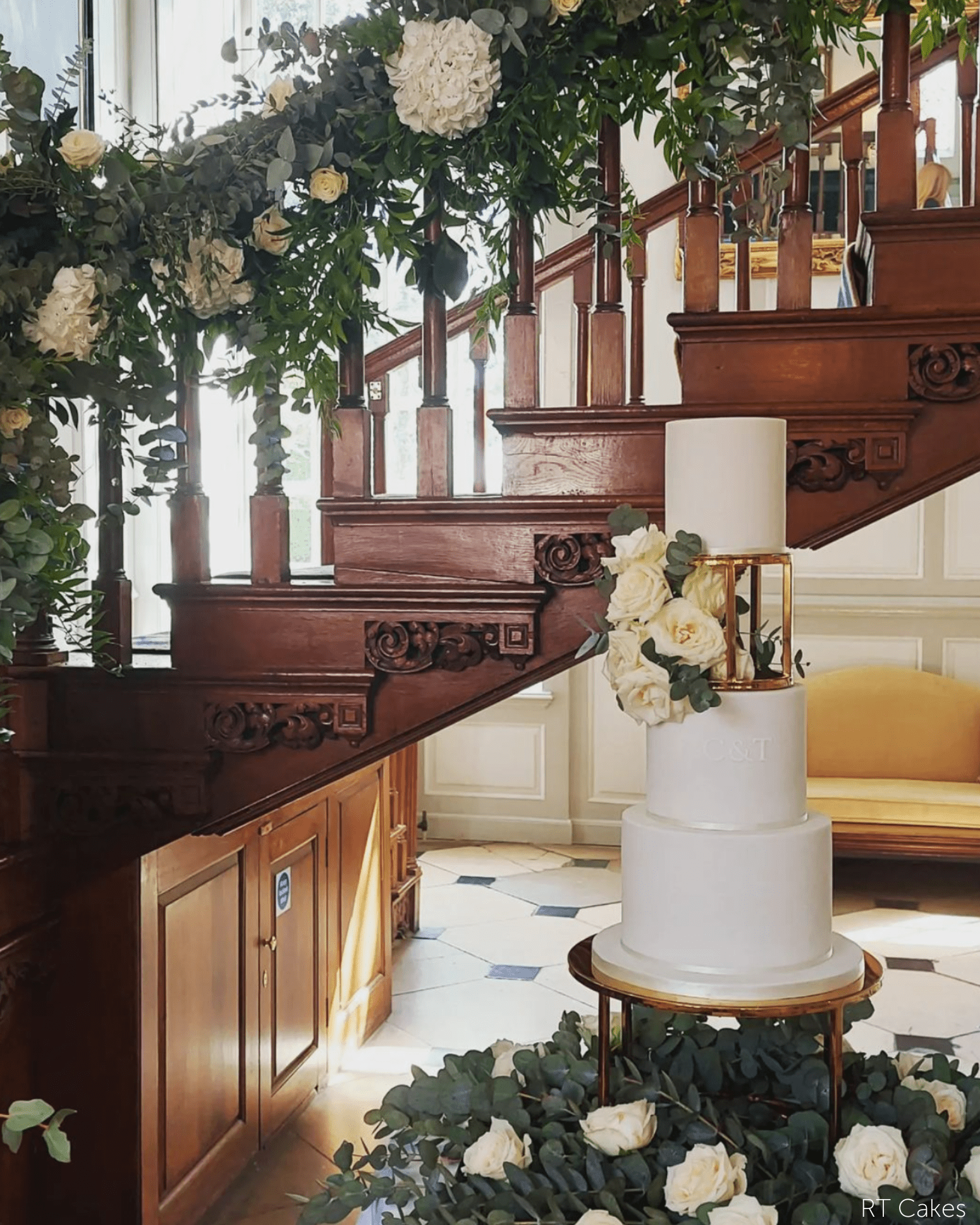
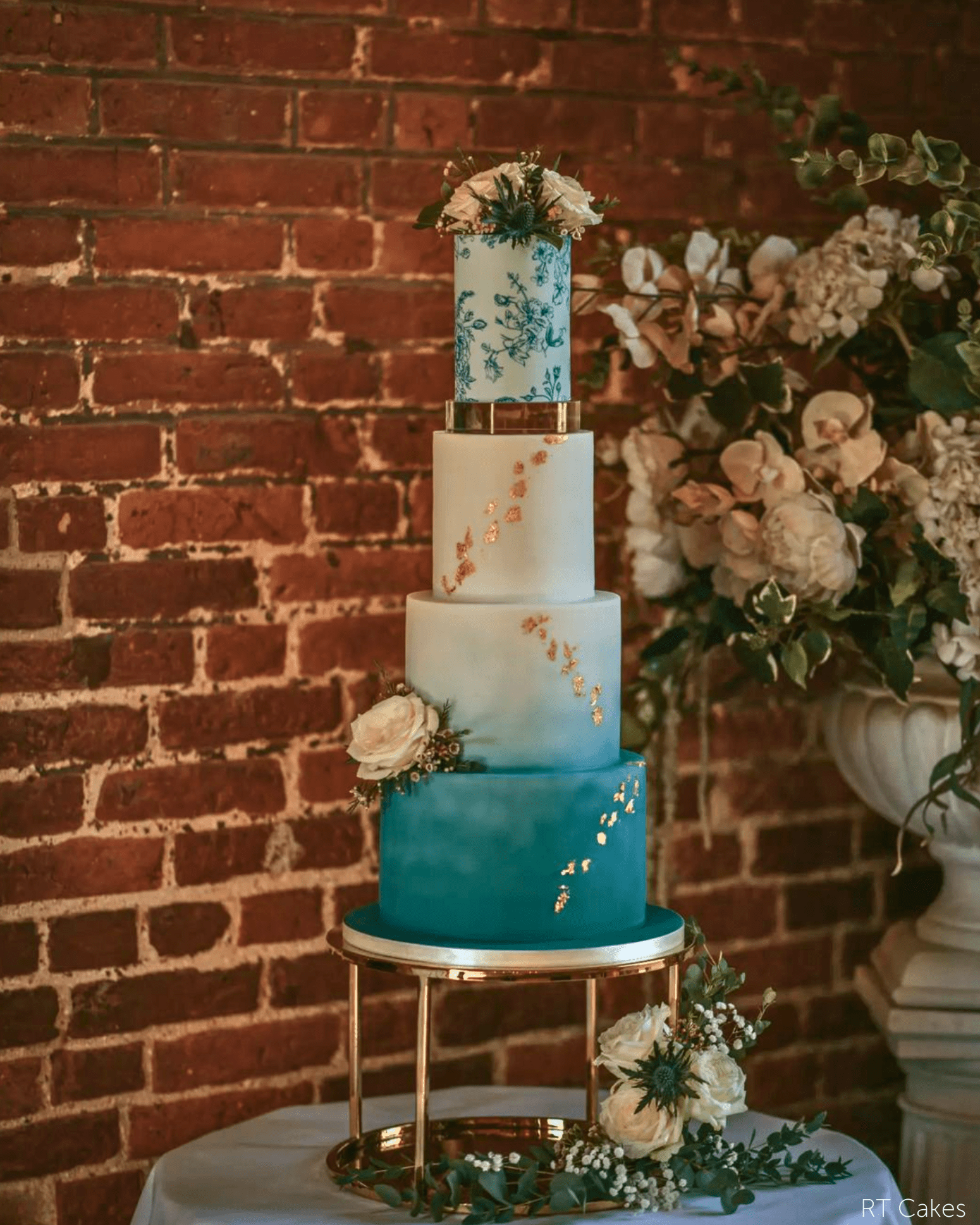
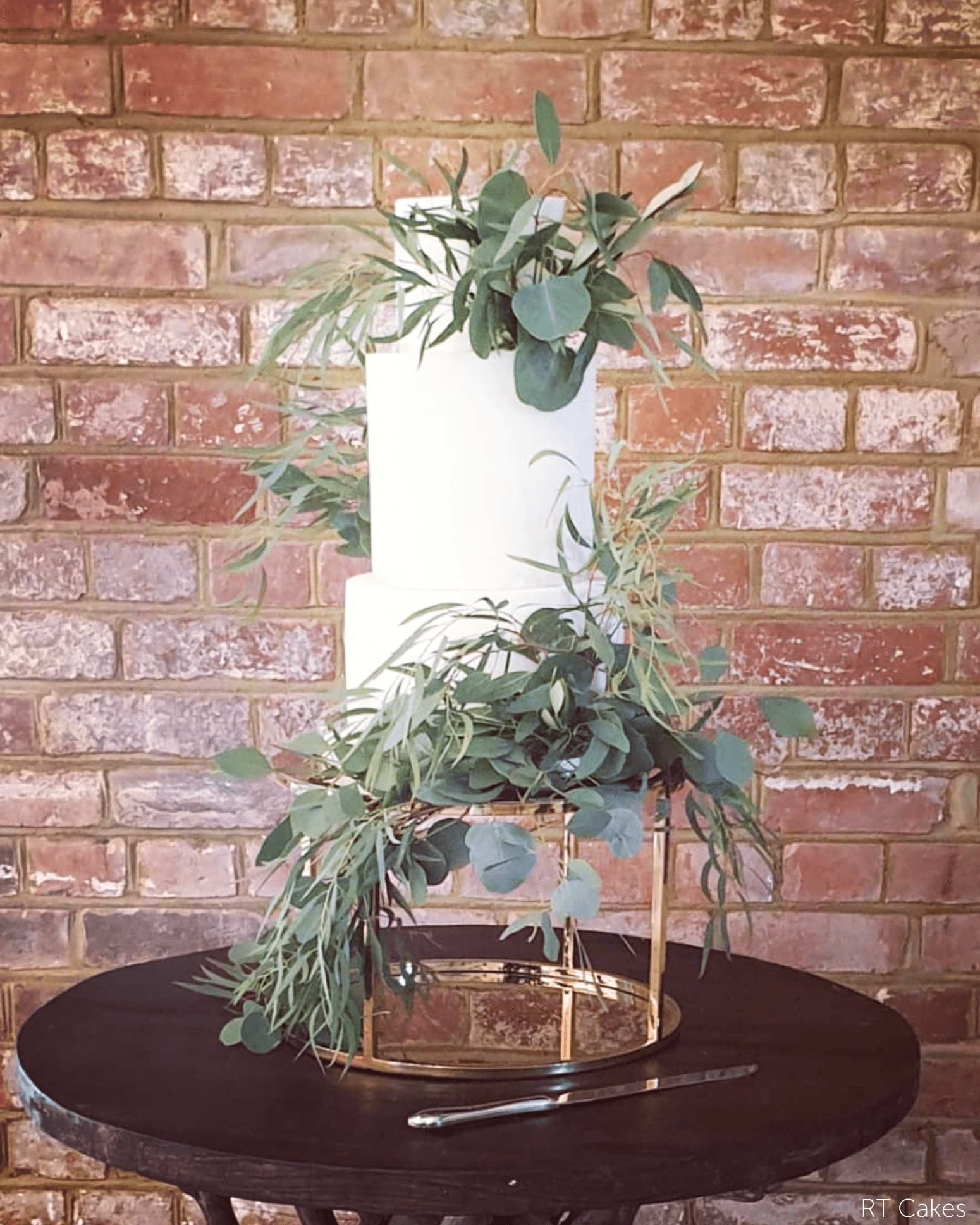
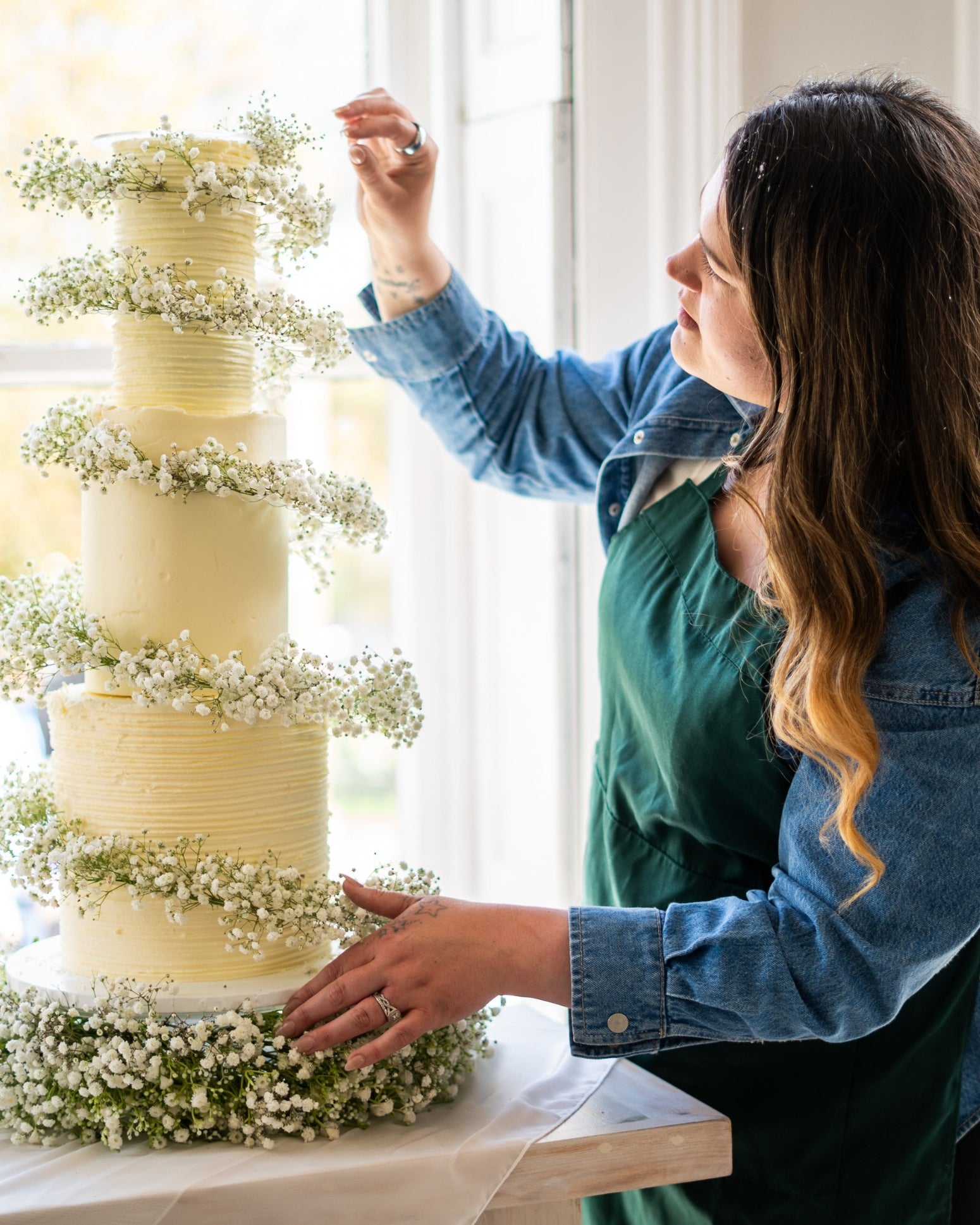
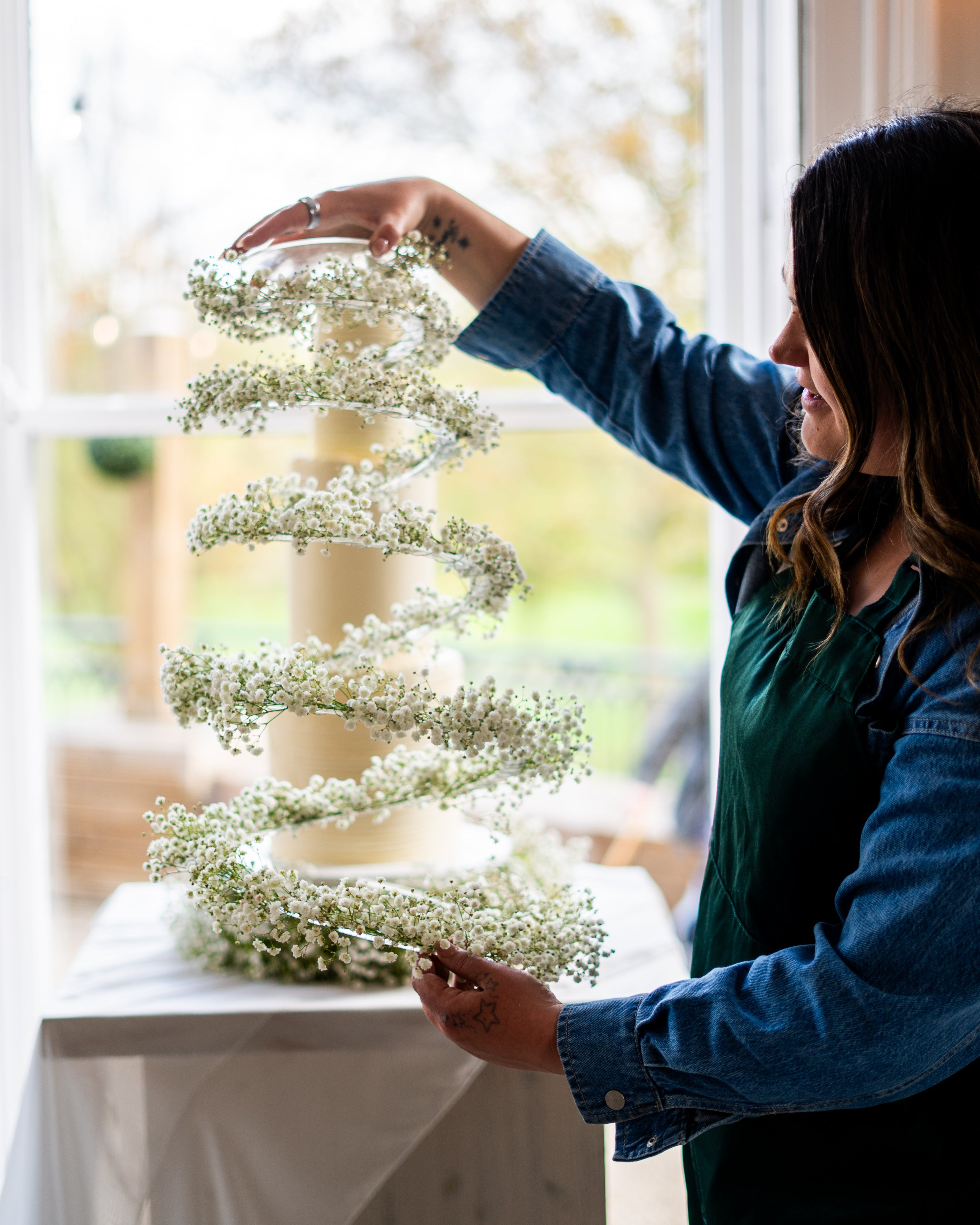
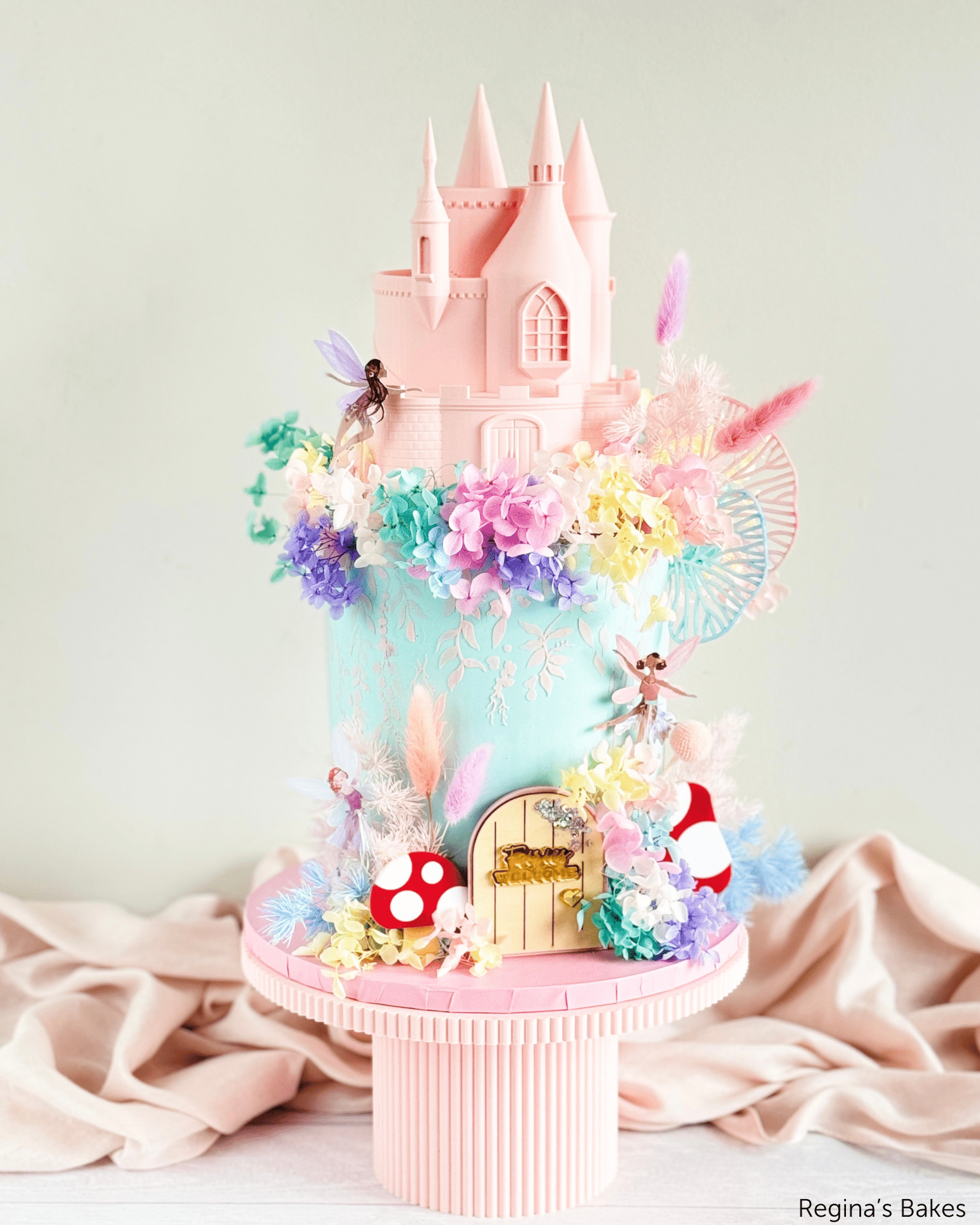
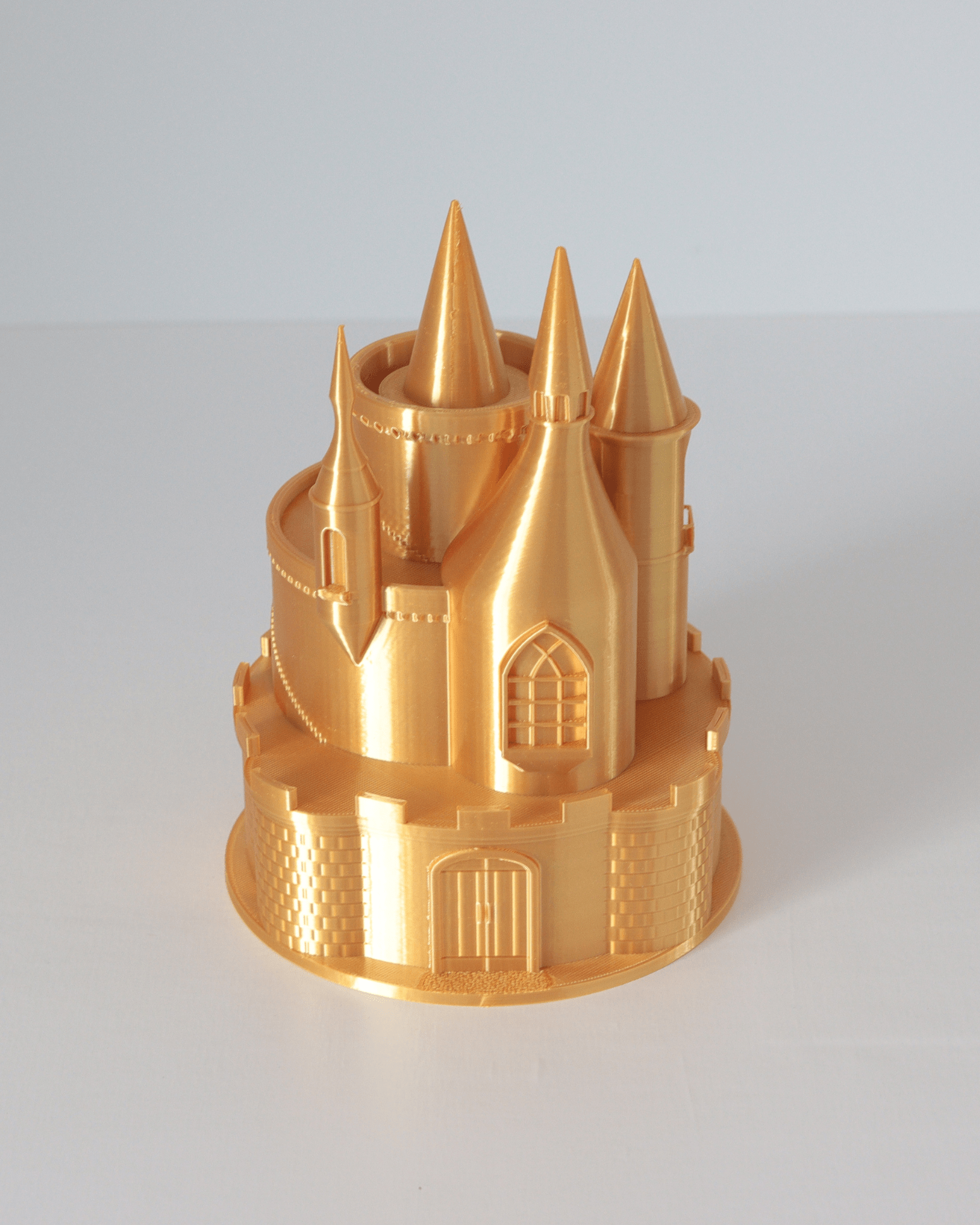
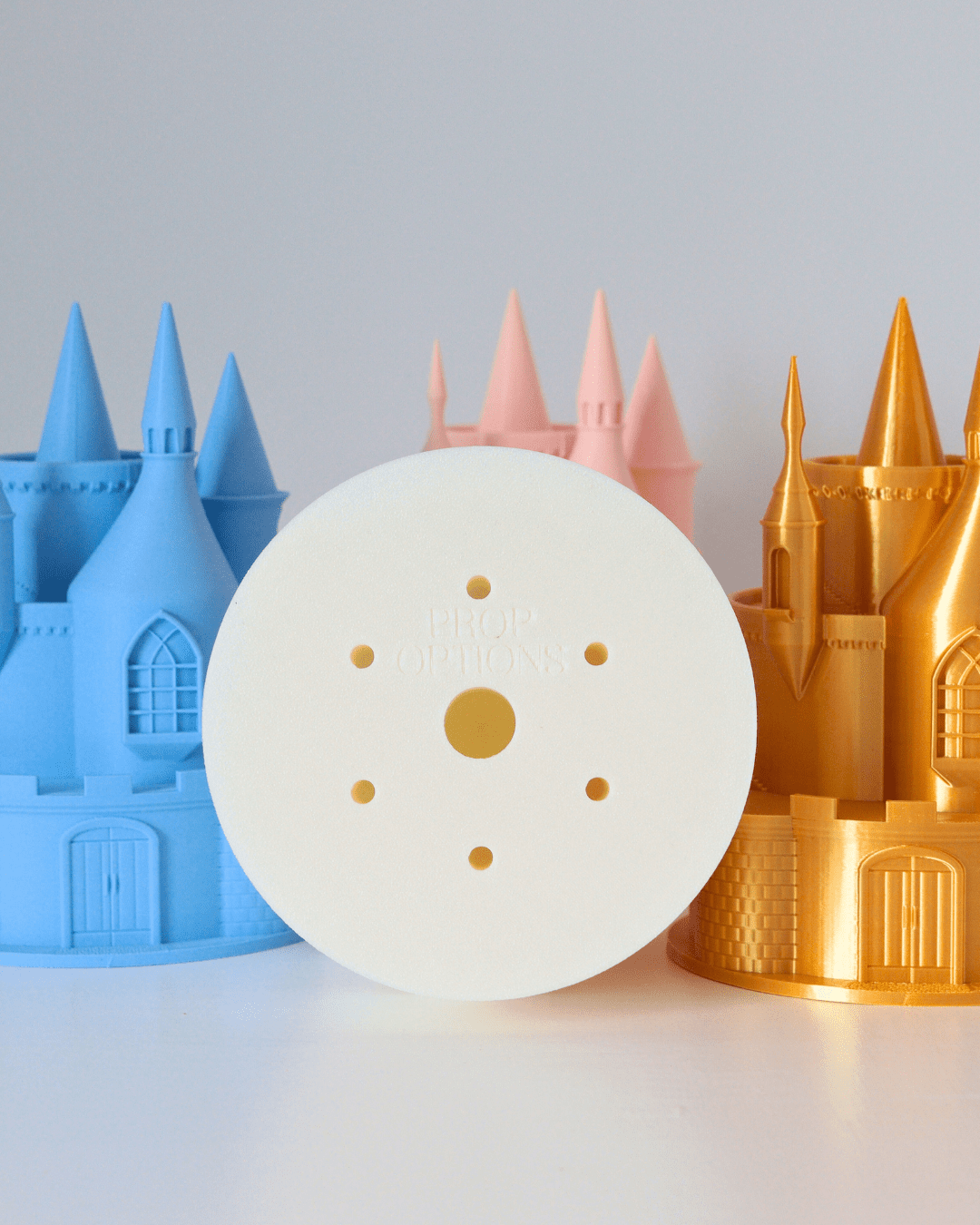
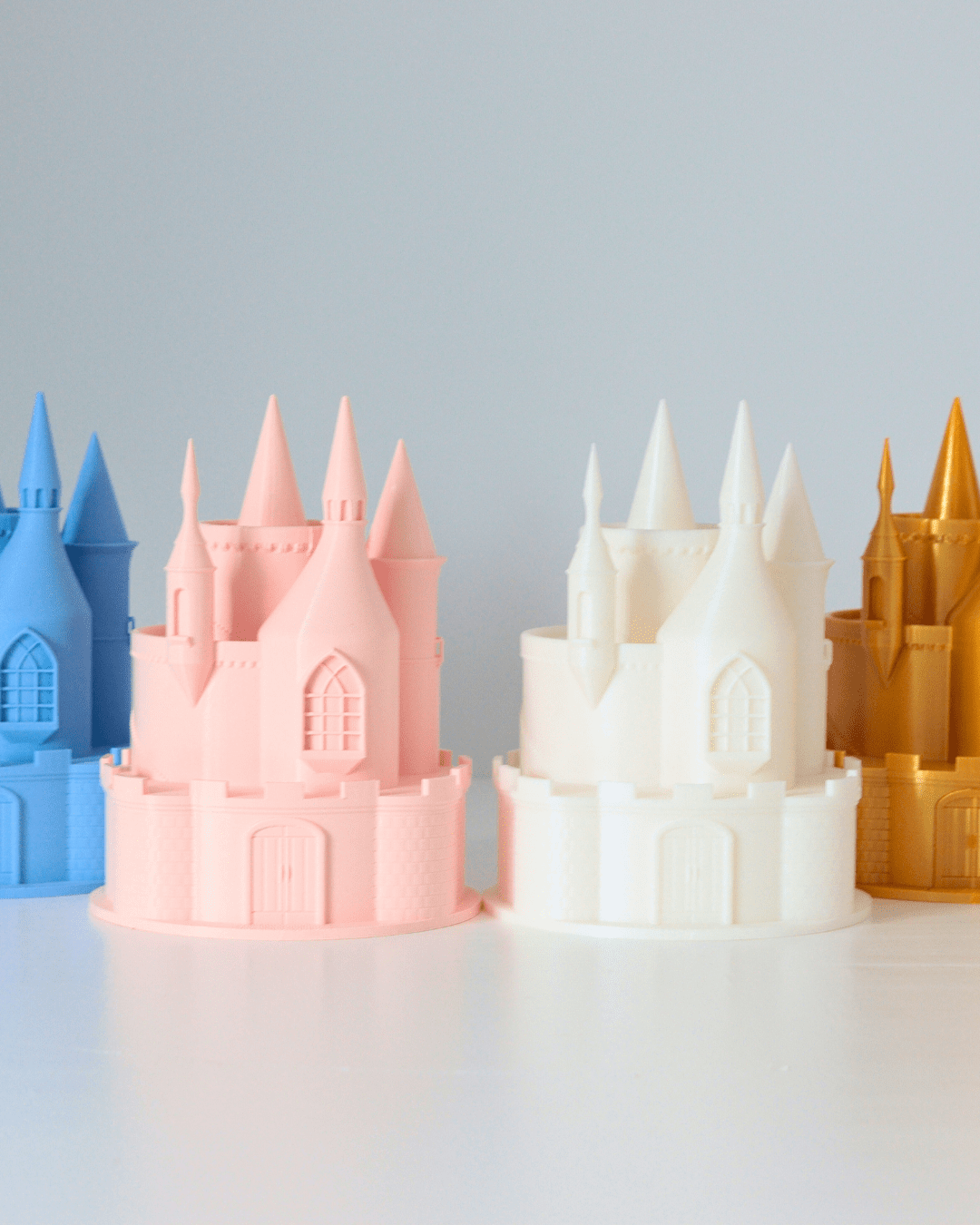
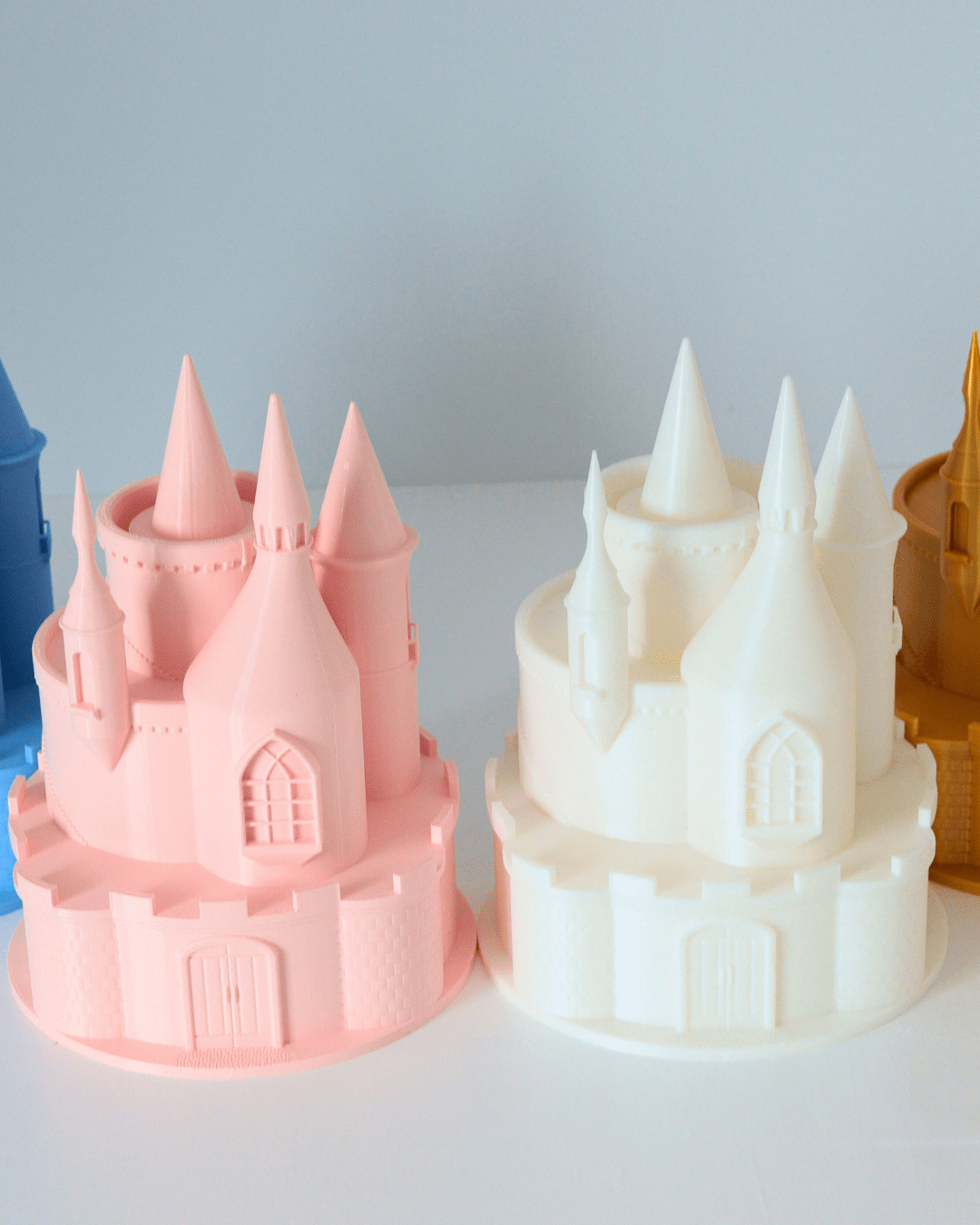
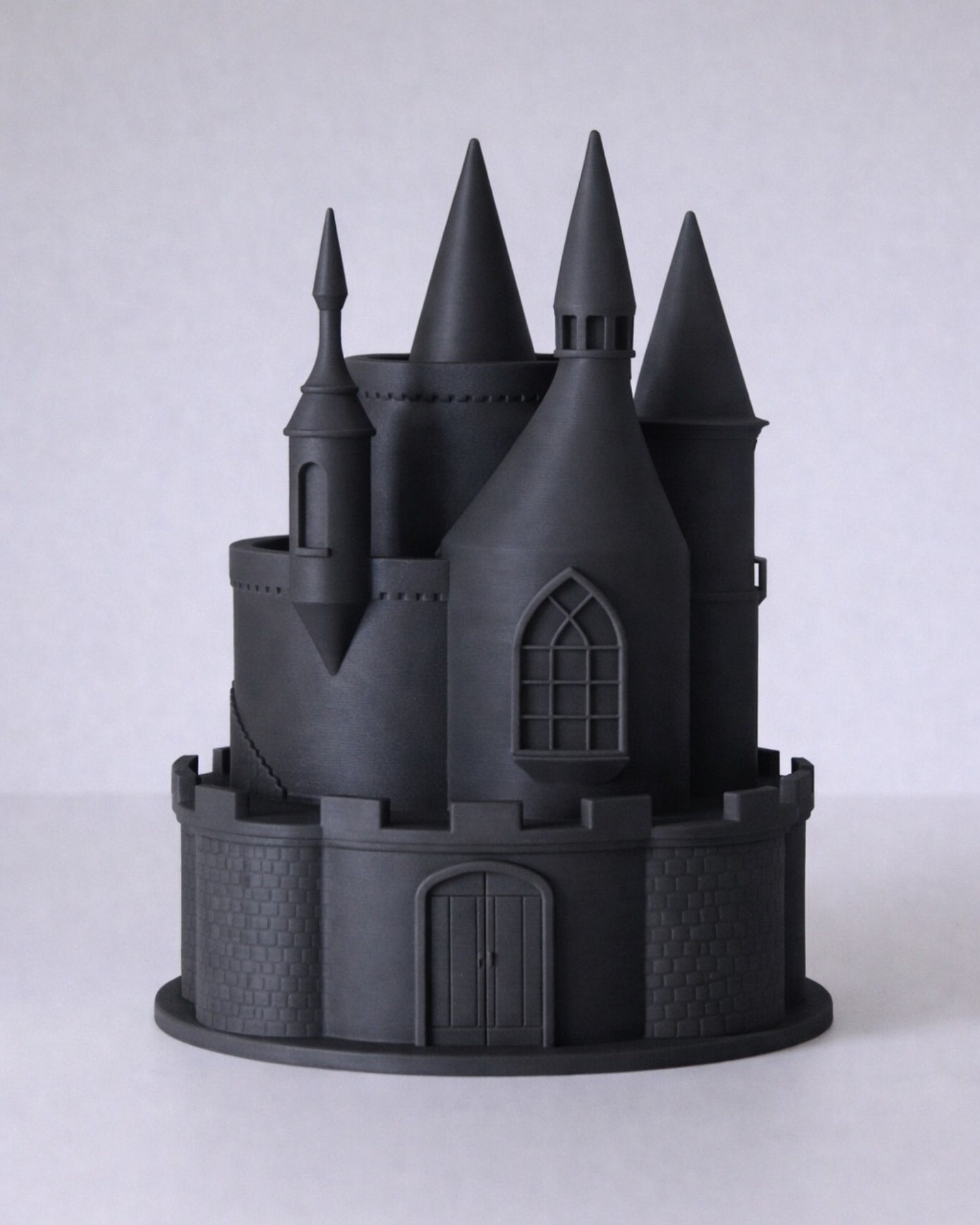
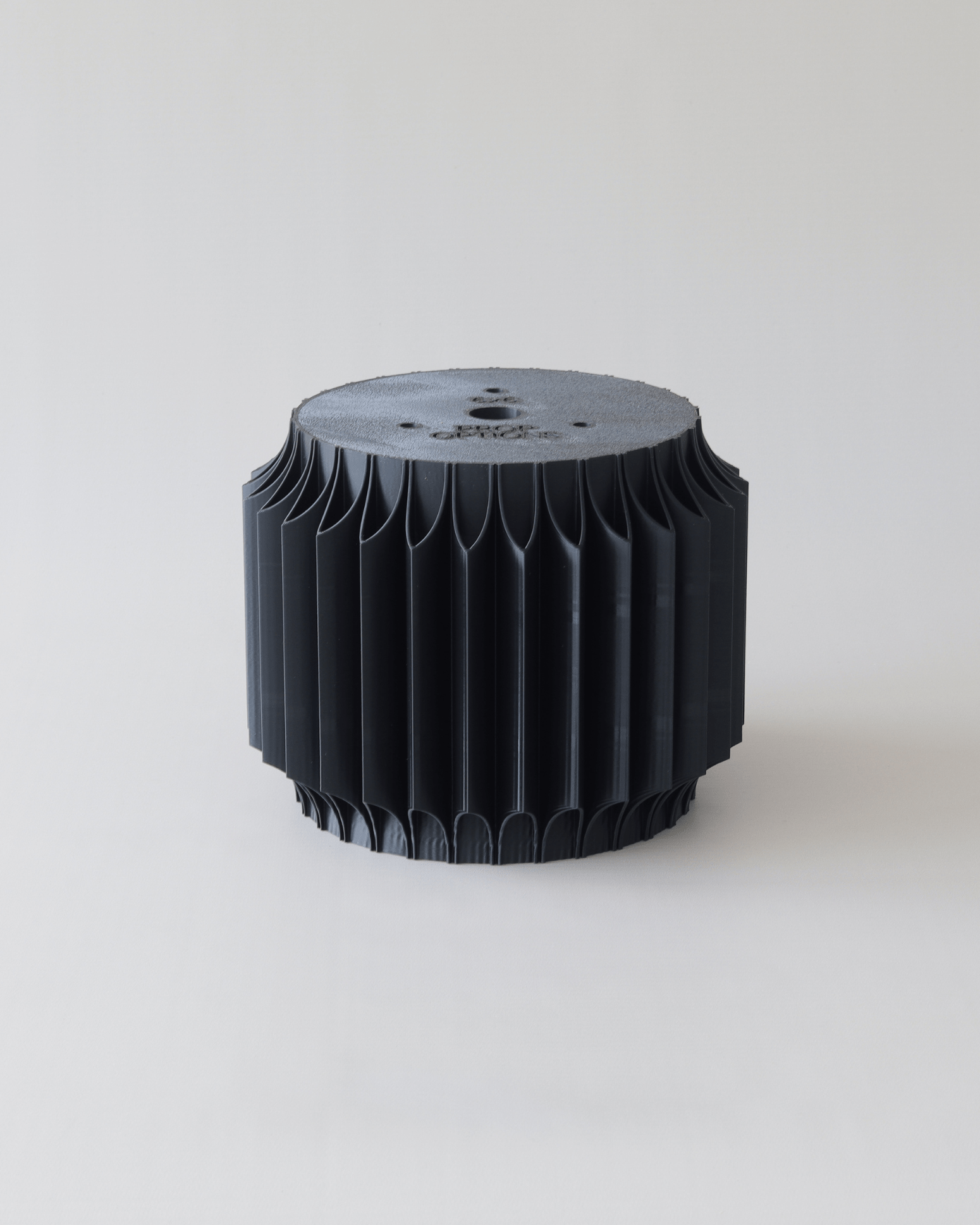
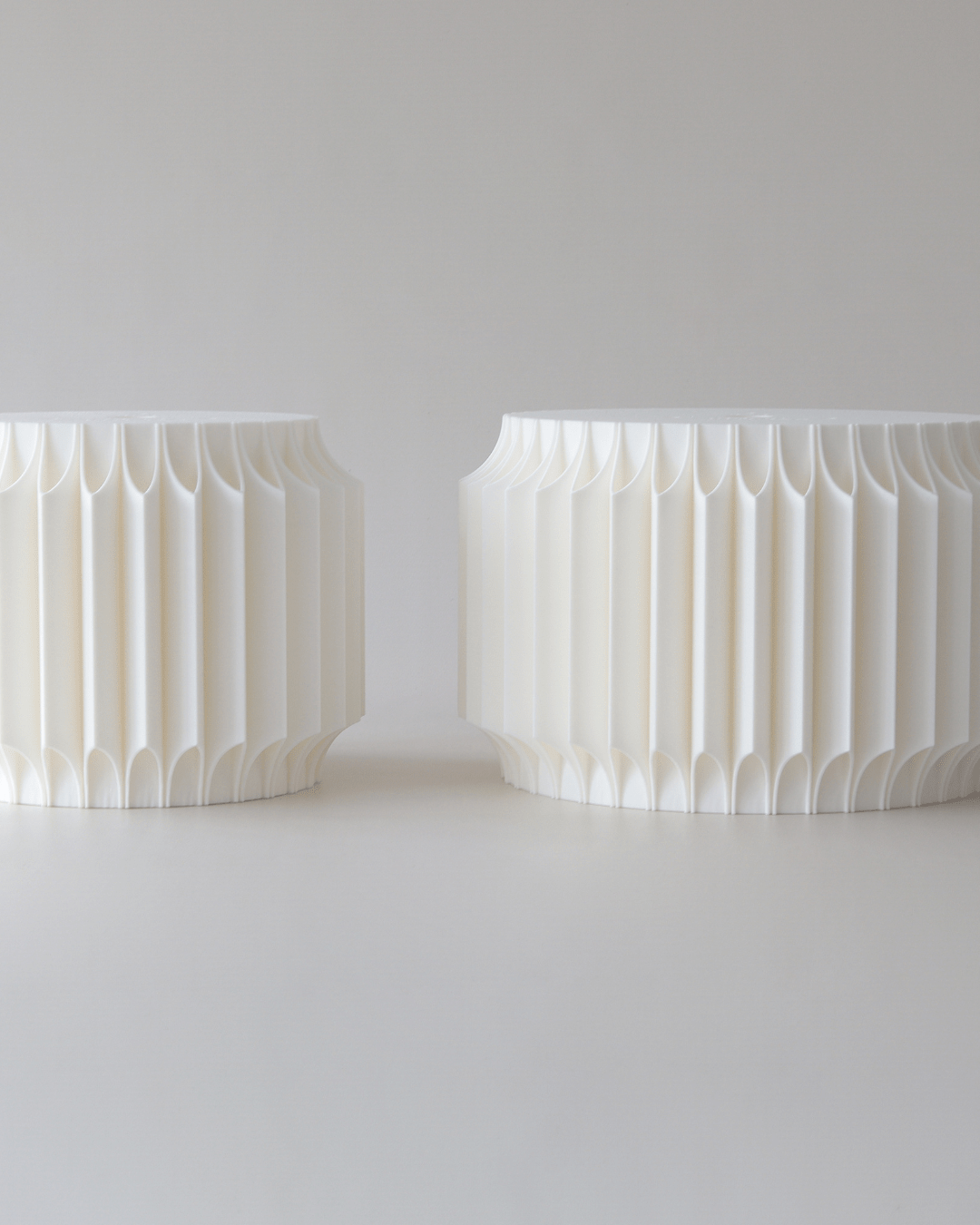
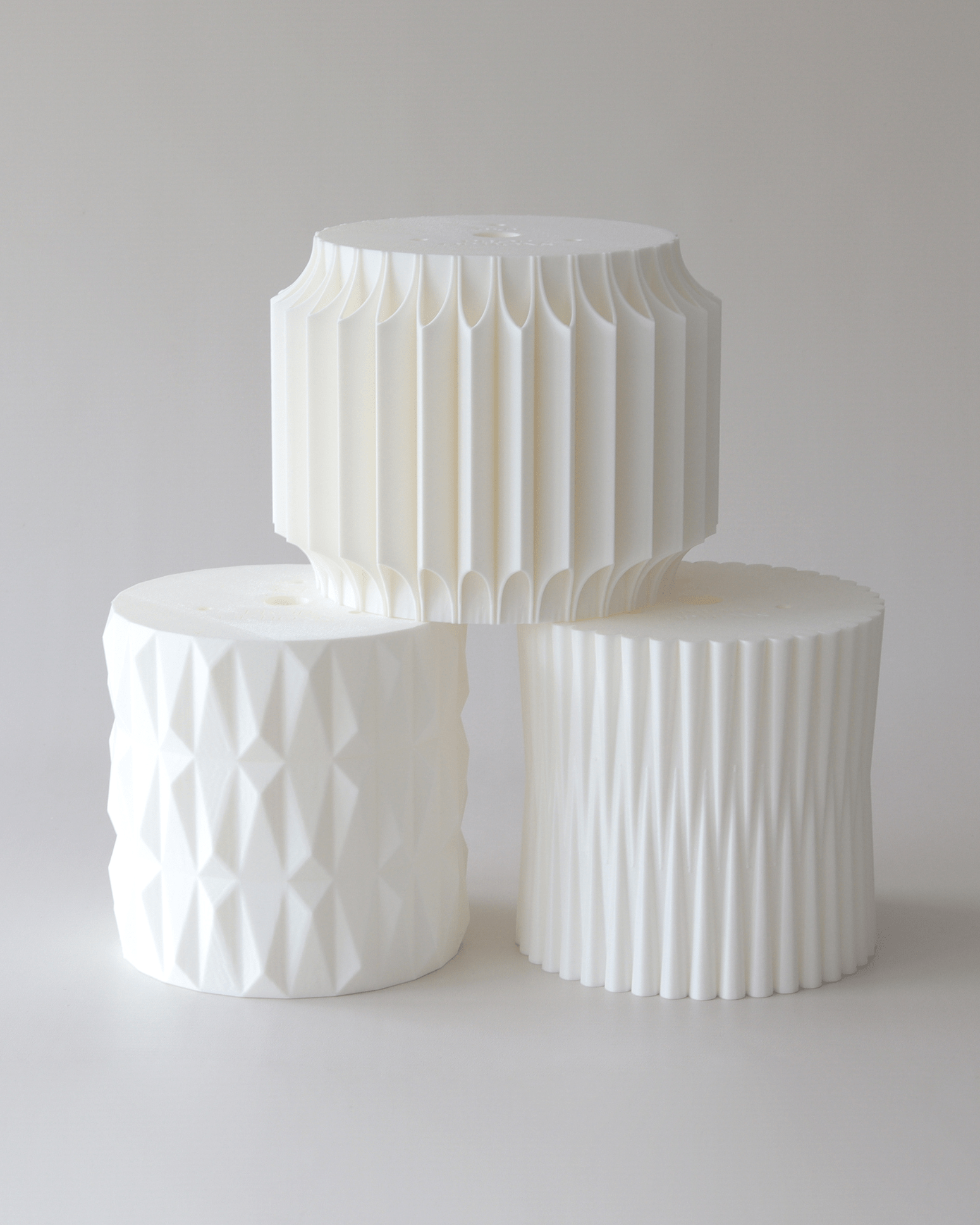
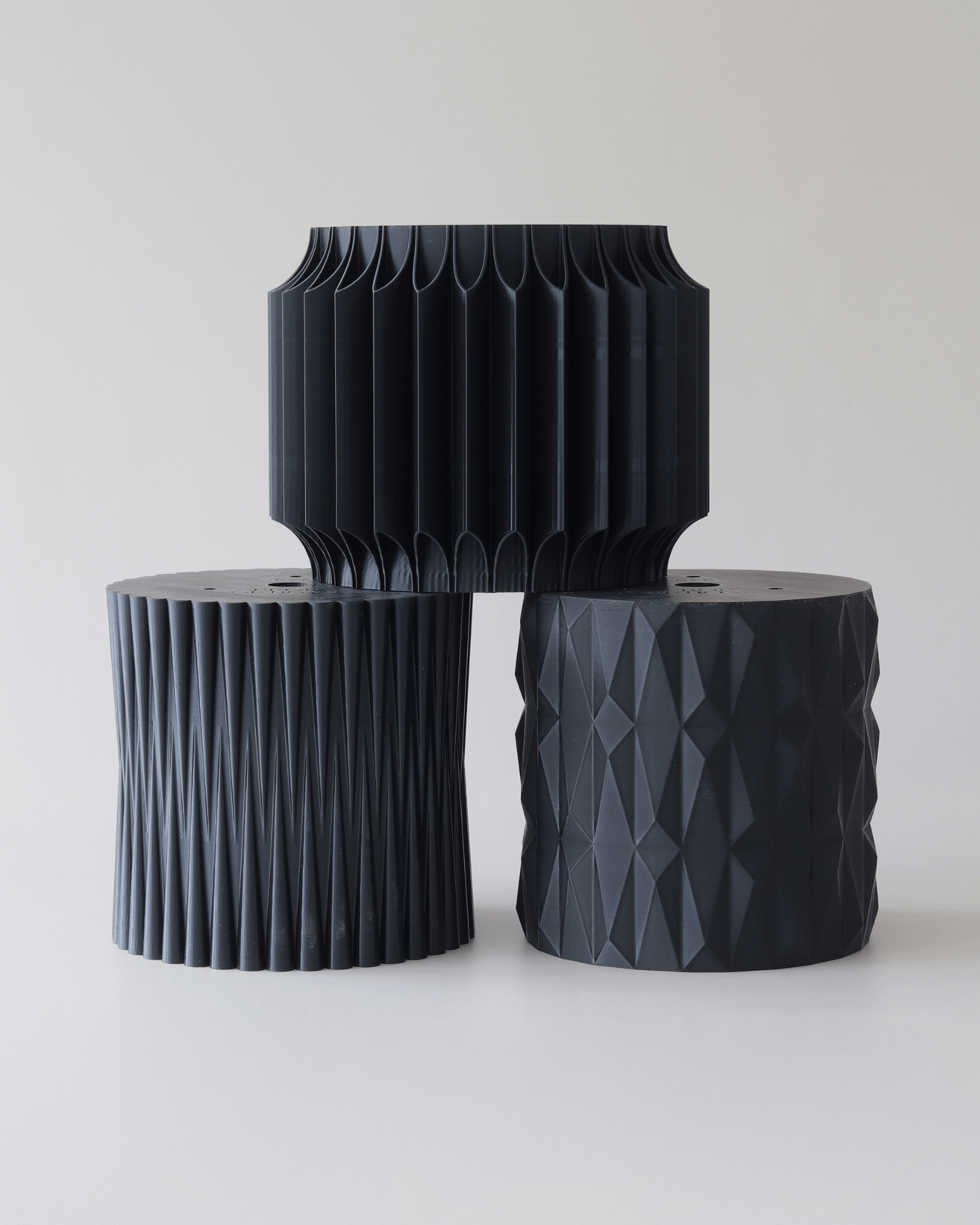
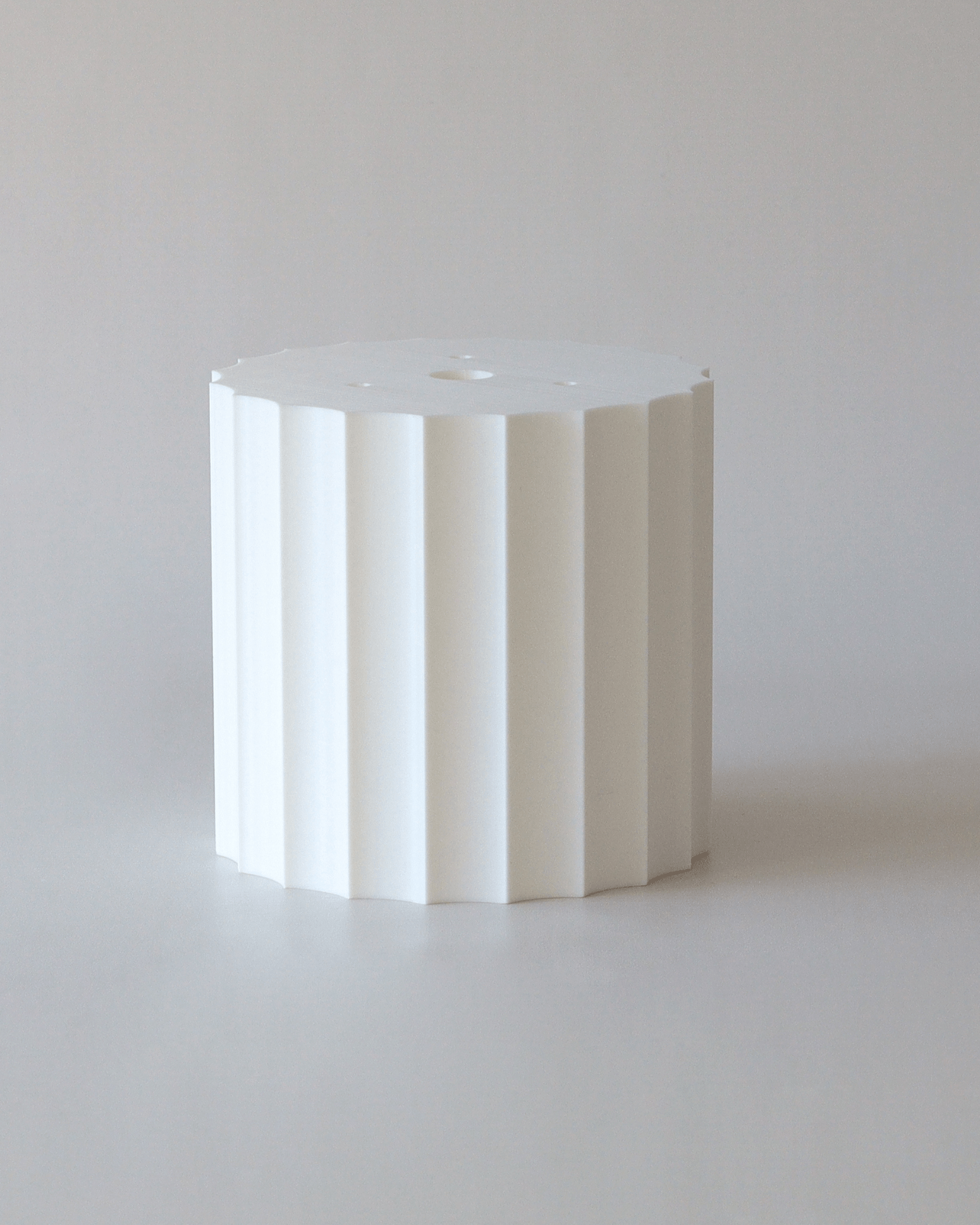
Props are like the seasoning in your cake—they enhance the photo, but utilising a dated or mismatched prop can distract the subject! A cake stand, riser or cake plate forms the best stage for your cakes. Then, sweet additionals like fresh flowers, or even a pretty cake knife can complete the picture. Be very selective with your choice of cake prop. I recommend perusing the best cake stands, riser and plates from Prop Options to complement your cake creation. 

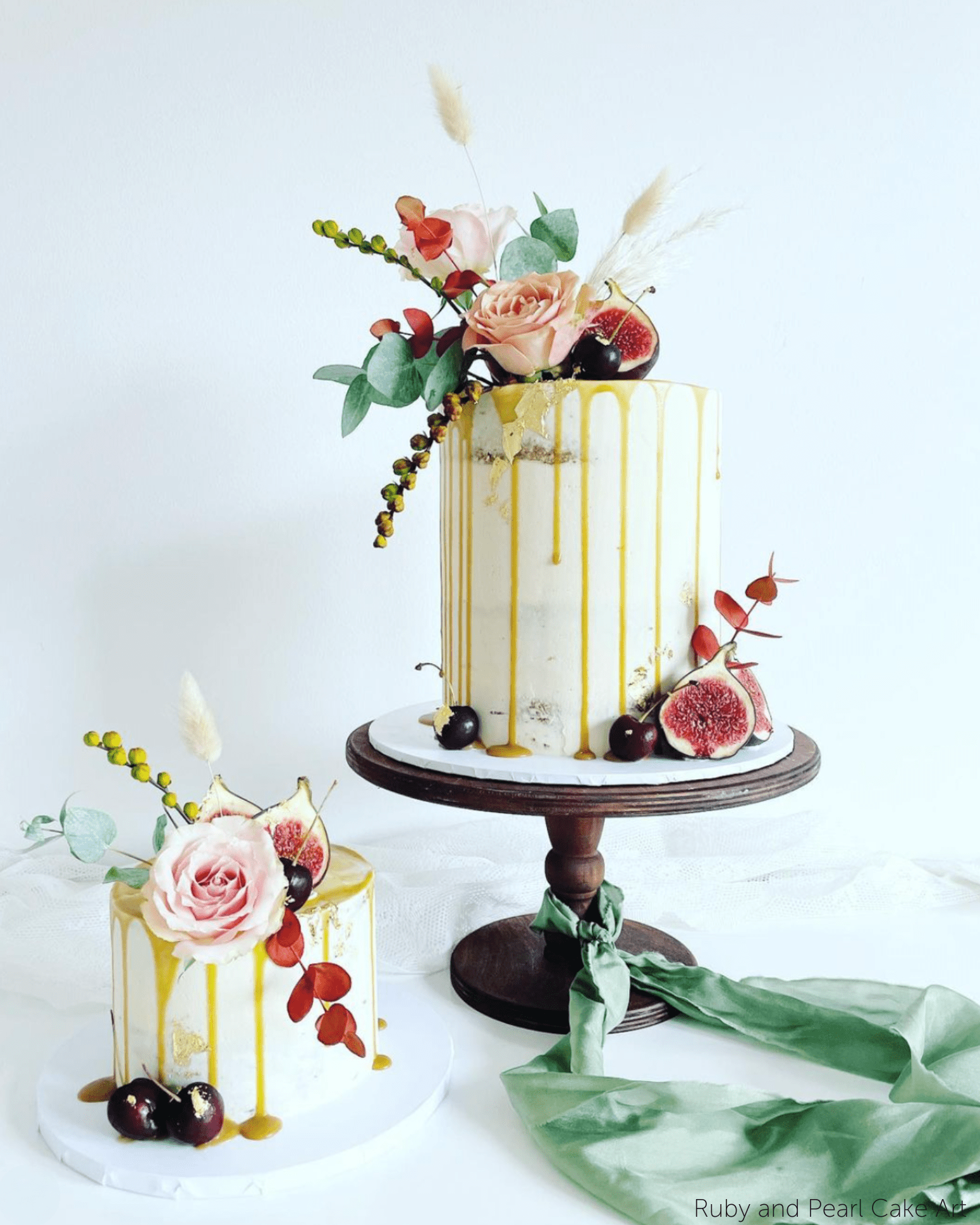
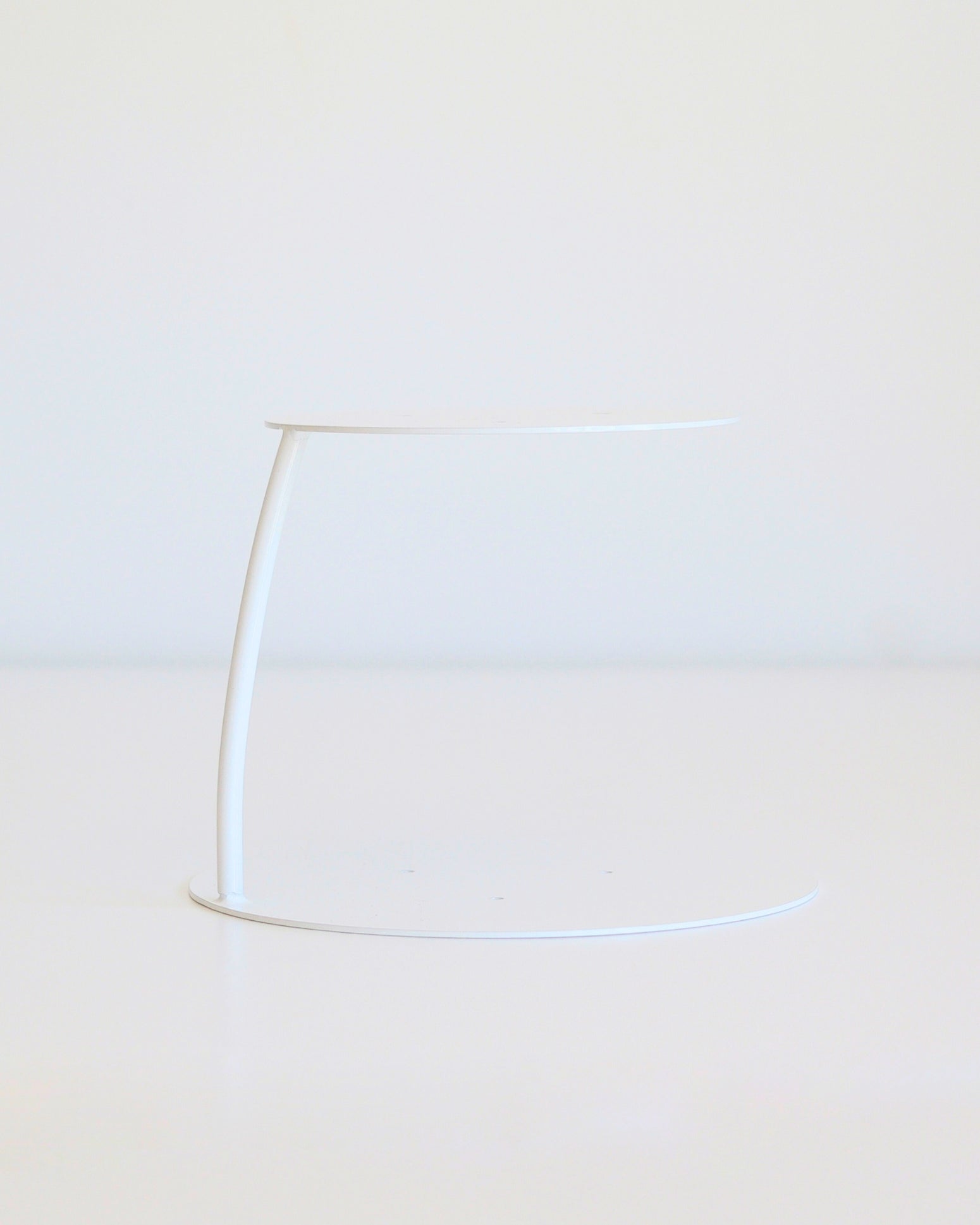
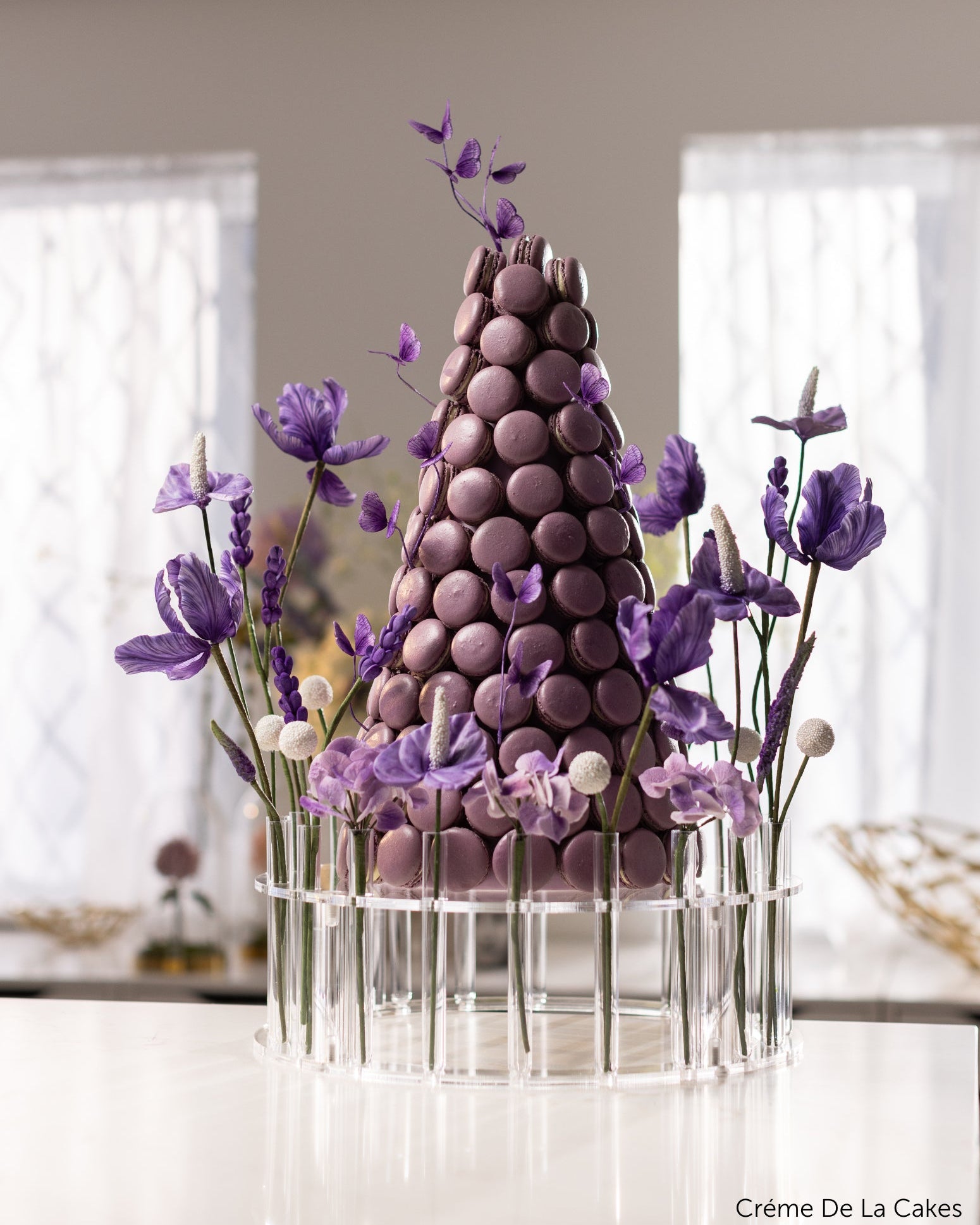
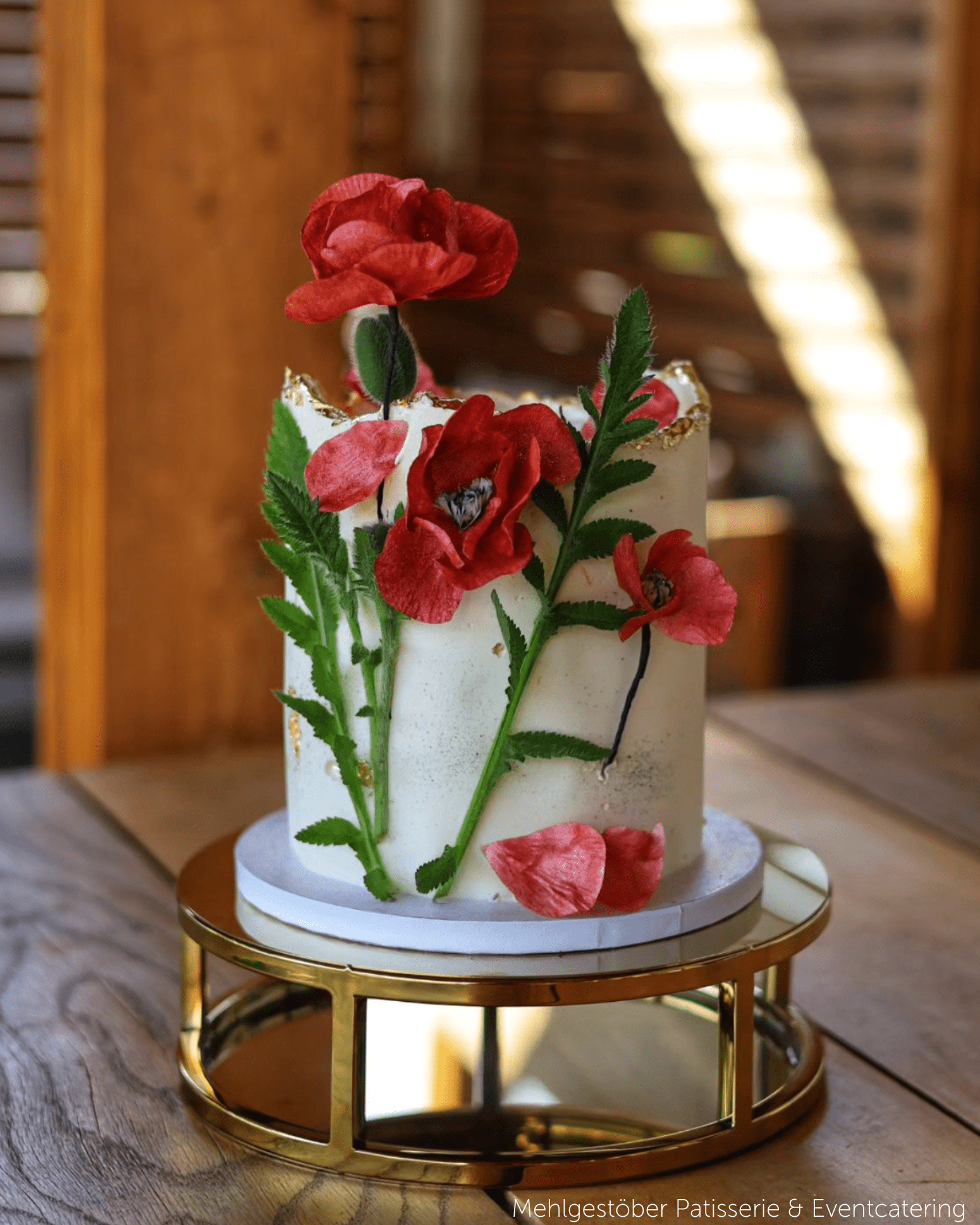
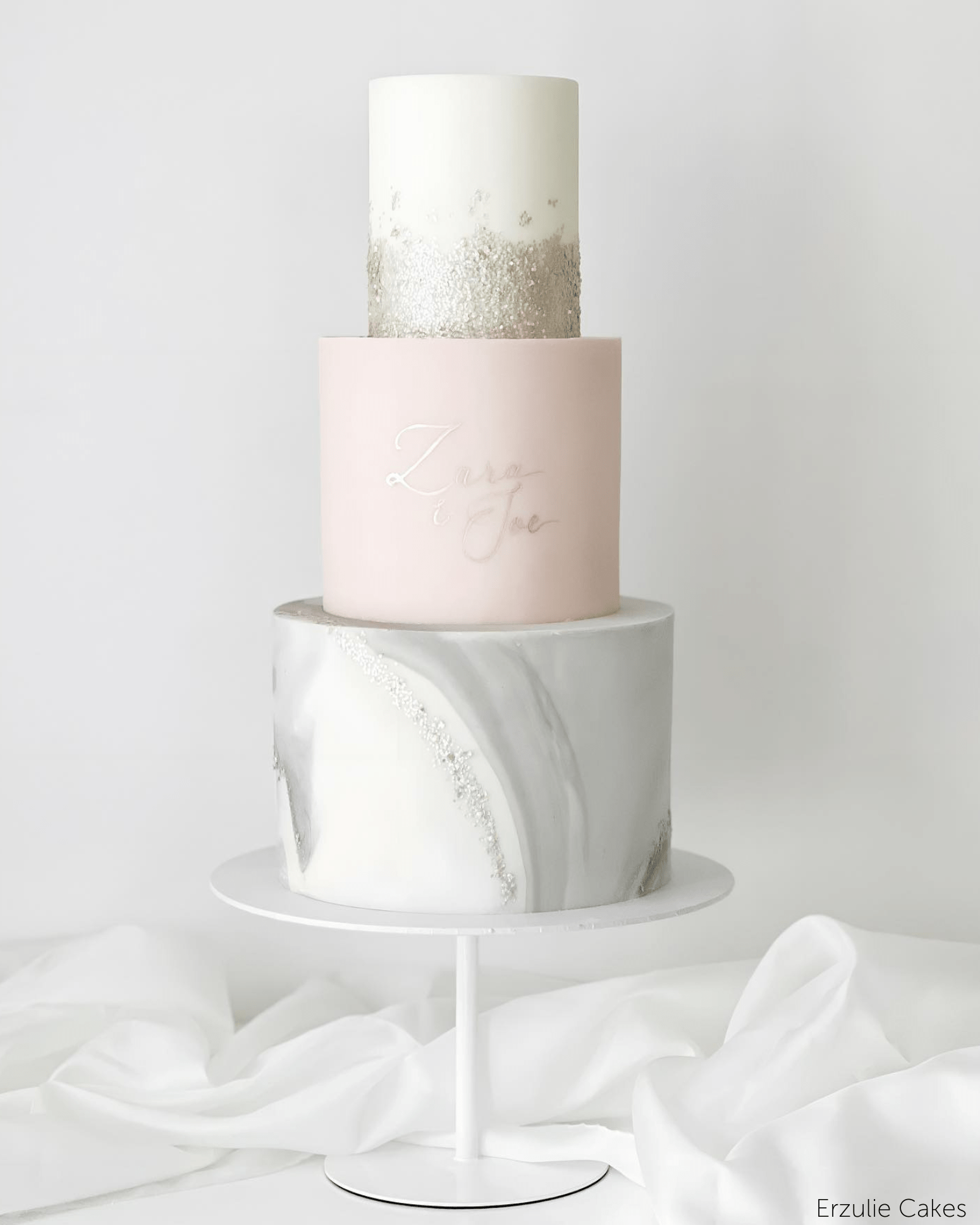
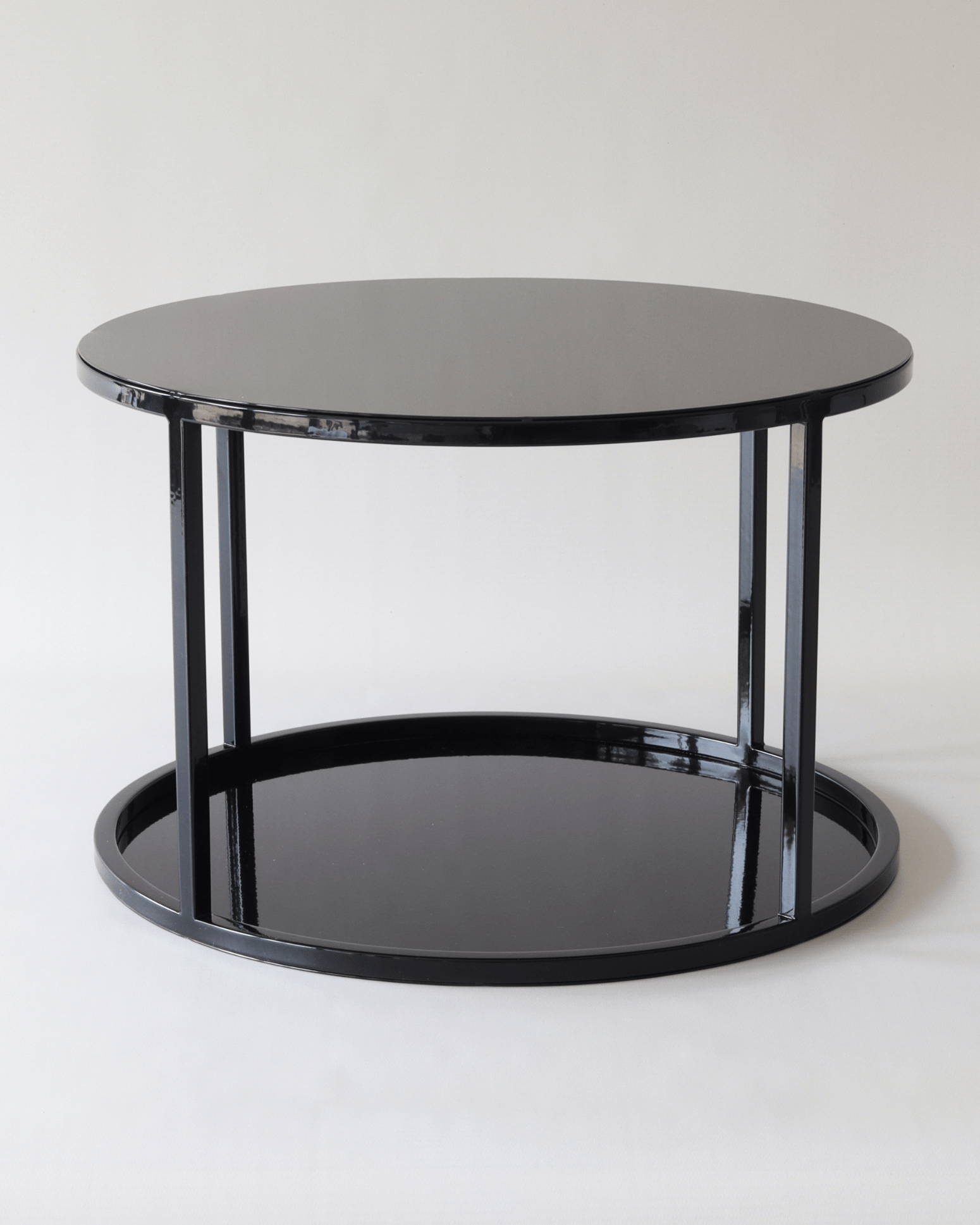
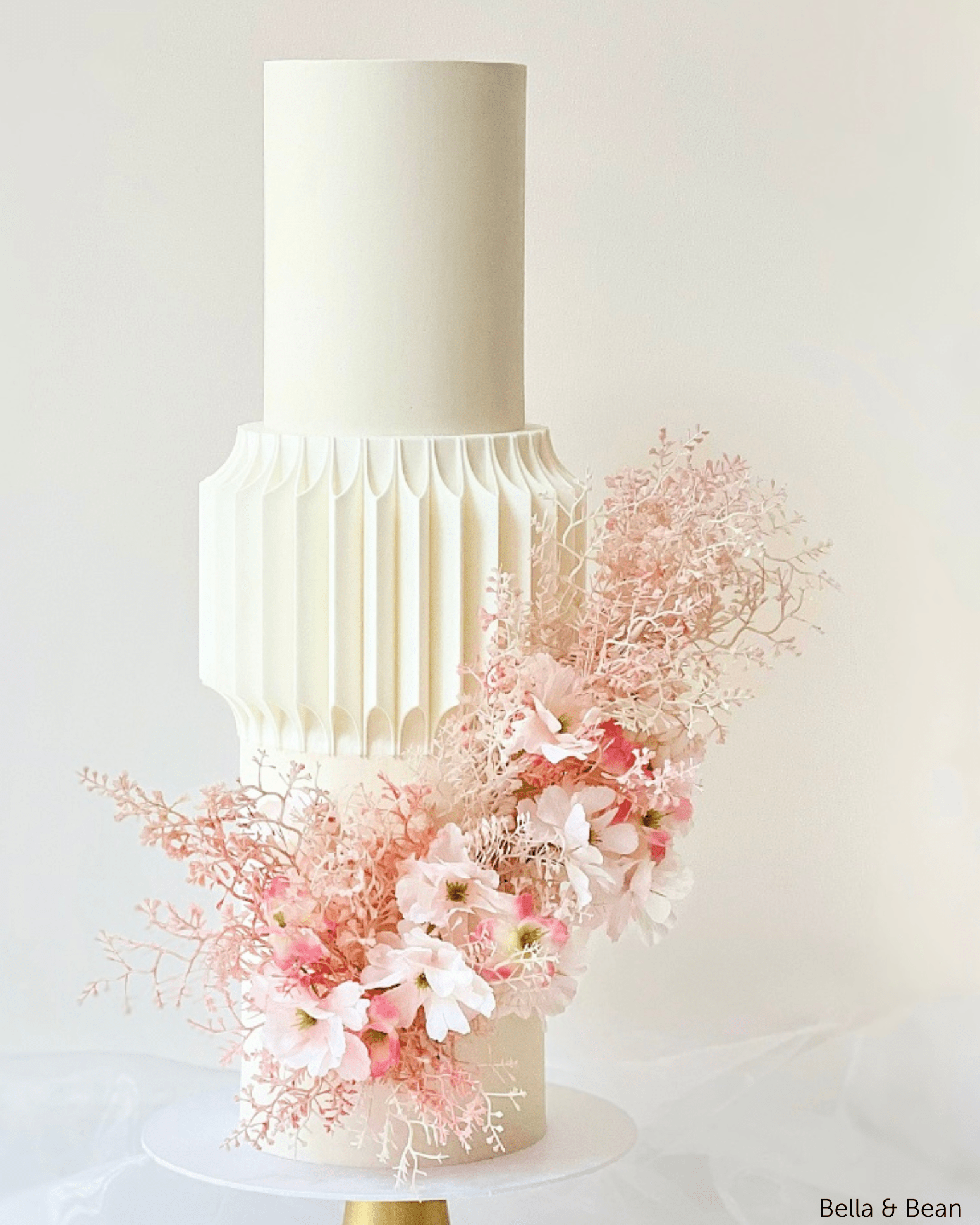
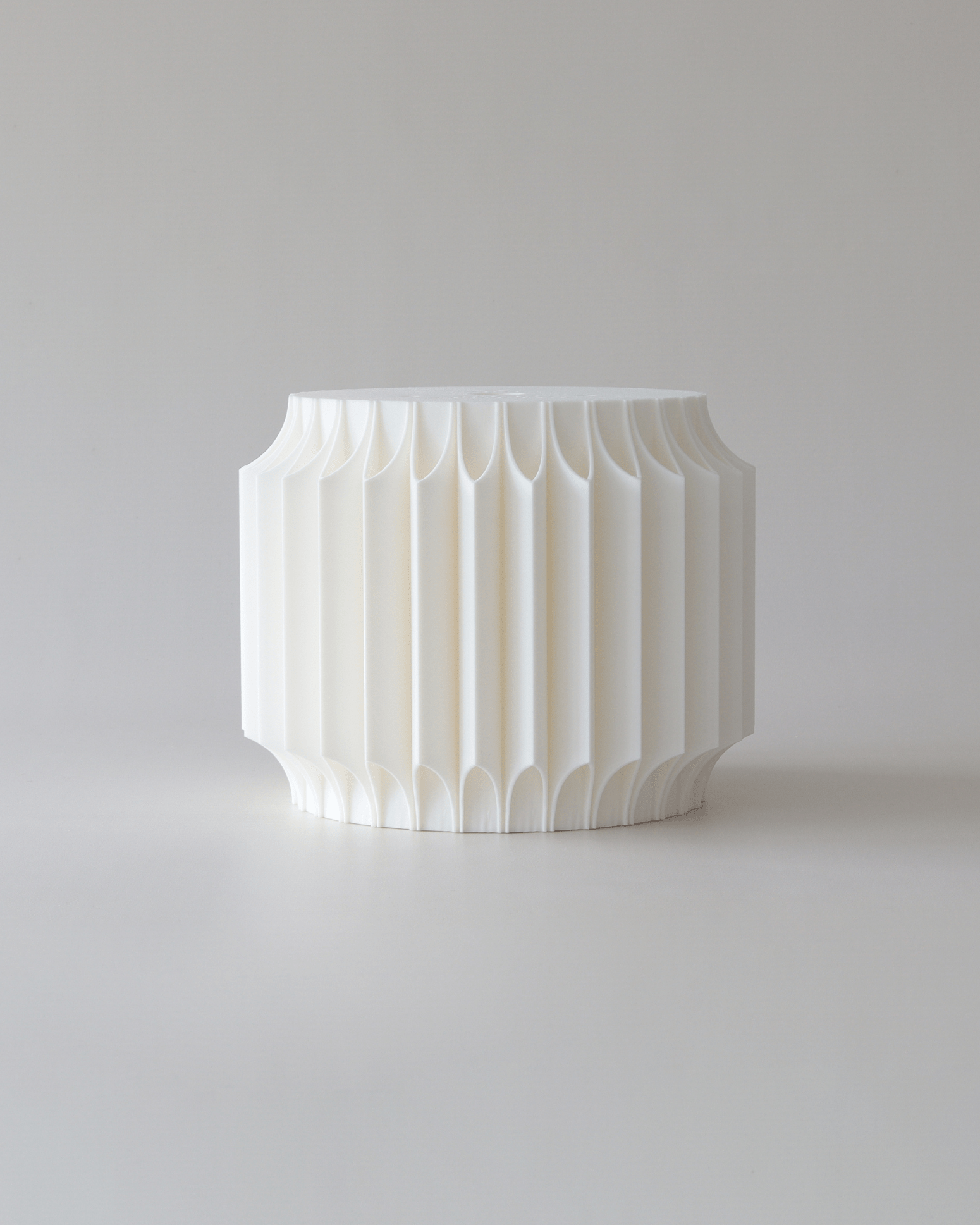
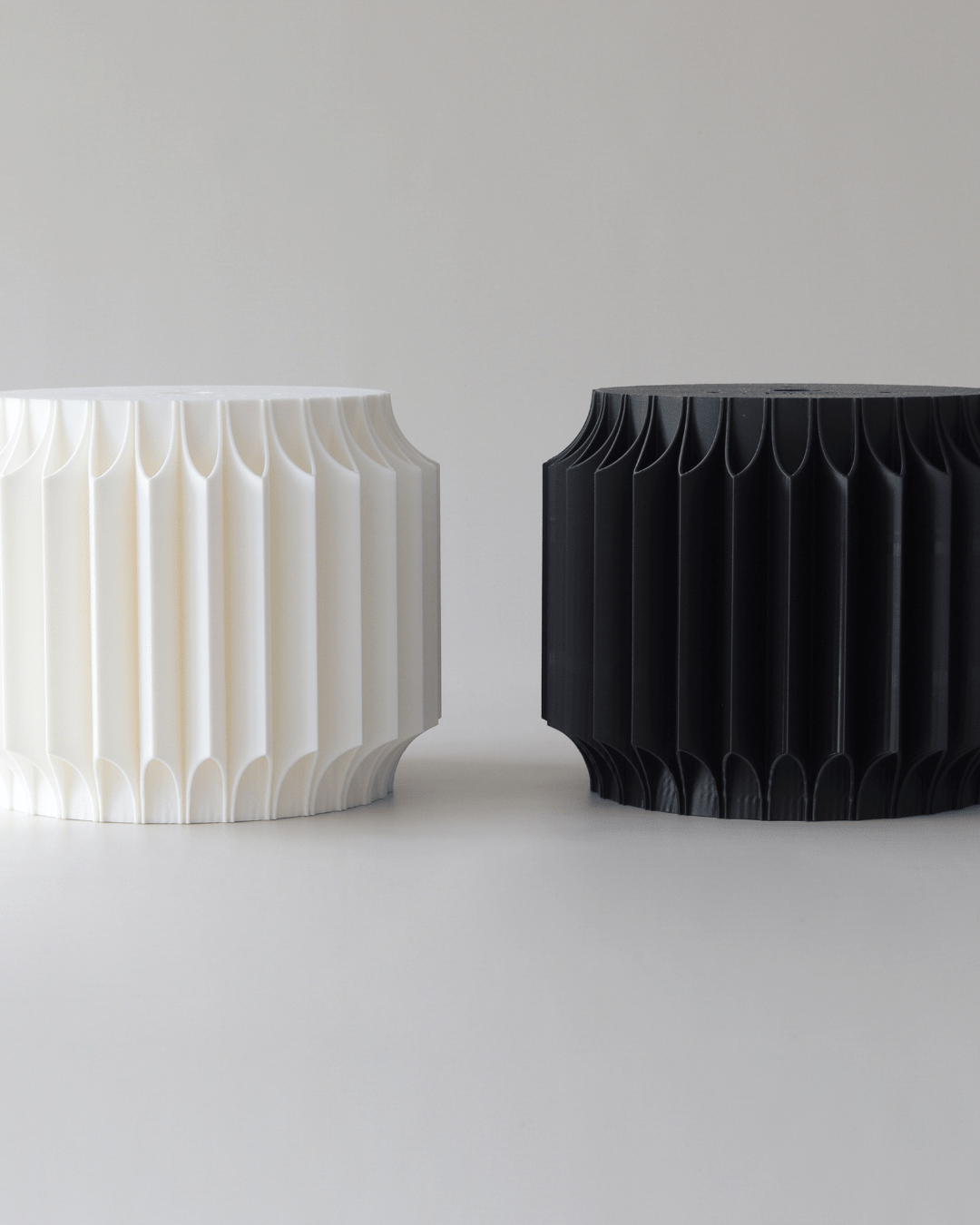
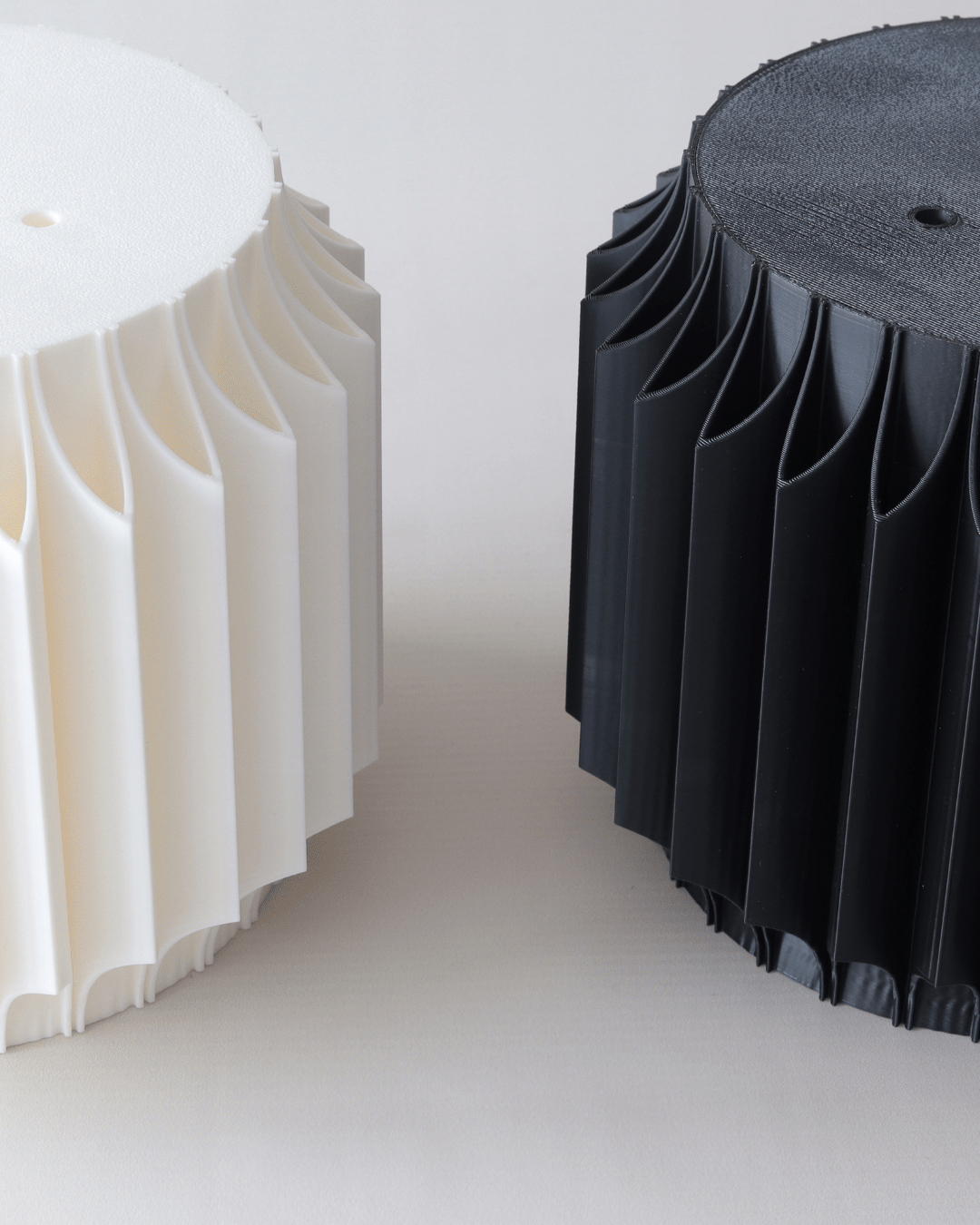
Remember, the goal is to complement, not compete with, your cake. For example, if you’ve made a rustic cake, a few sprigs of lavender or greenery can add charm. If you’re photographing a modern geometric cake, try a clean metal stand or minimalistic decor. Keep it elegant and keep it simple!

4. Angle It Right (Find Your Sweet Spot)

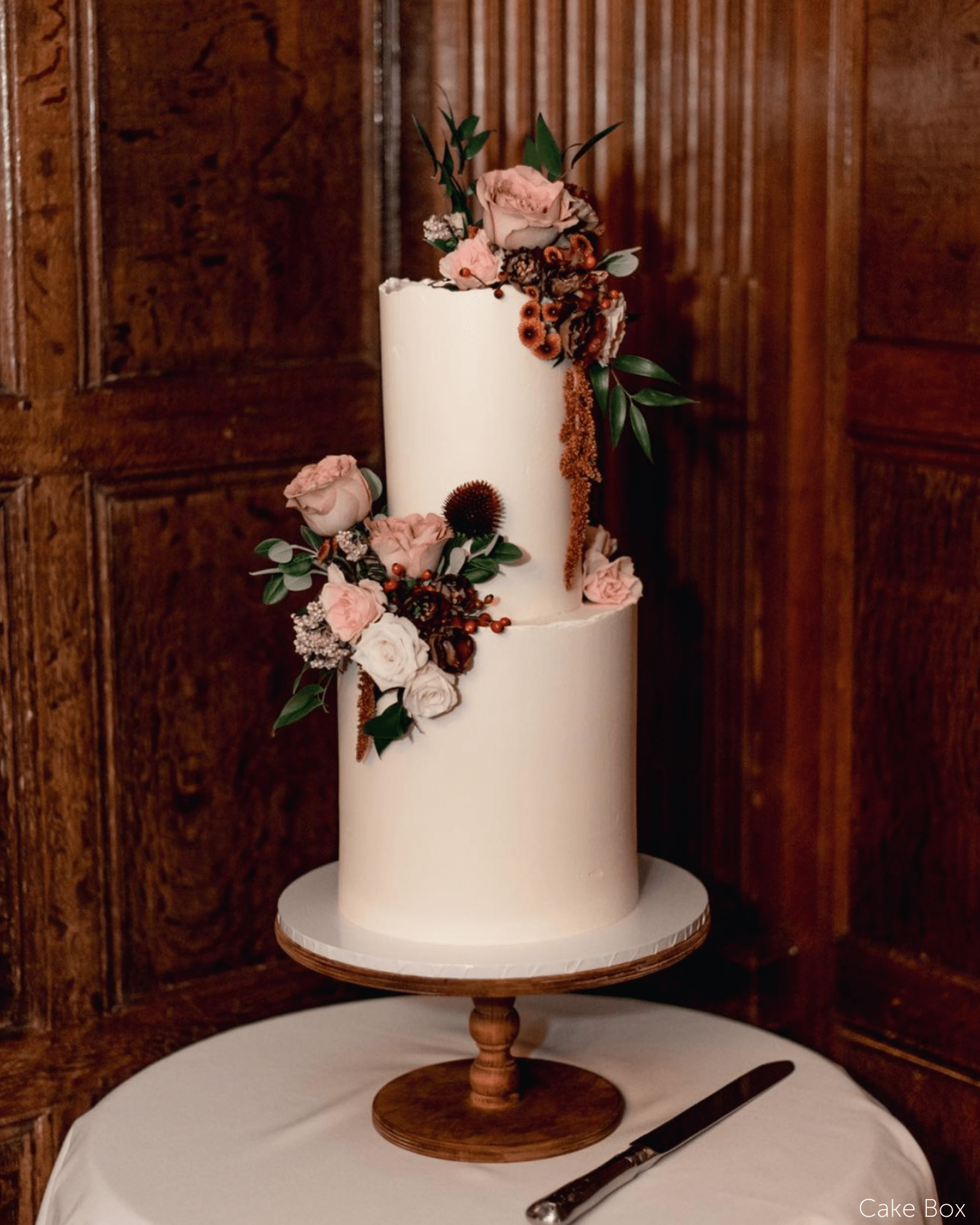
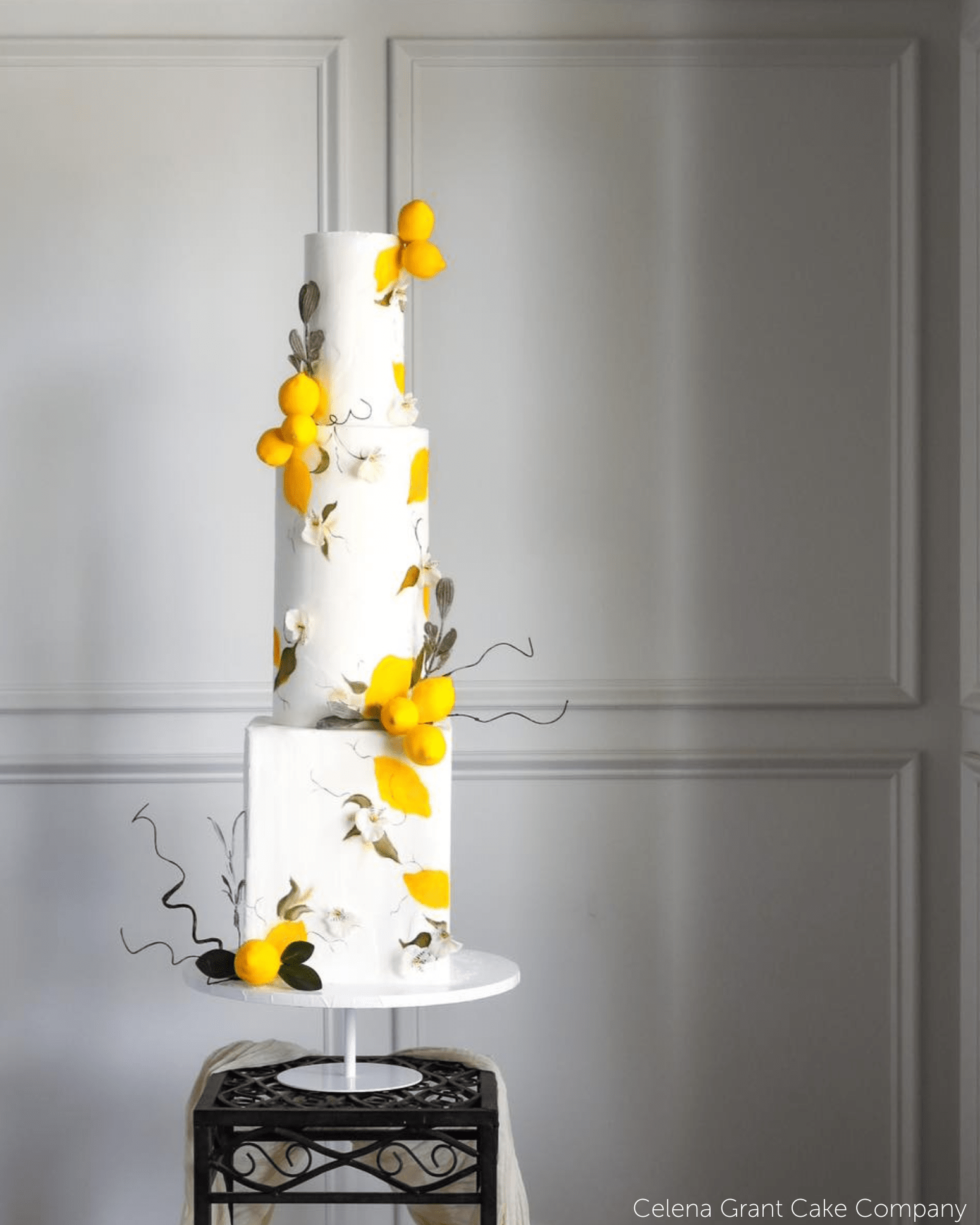
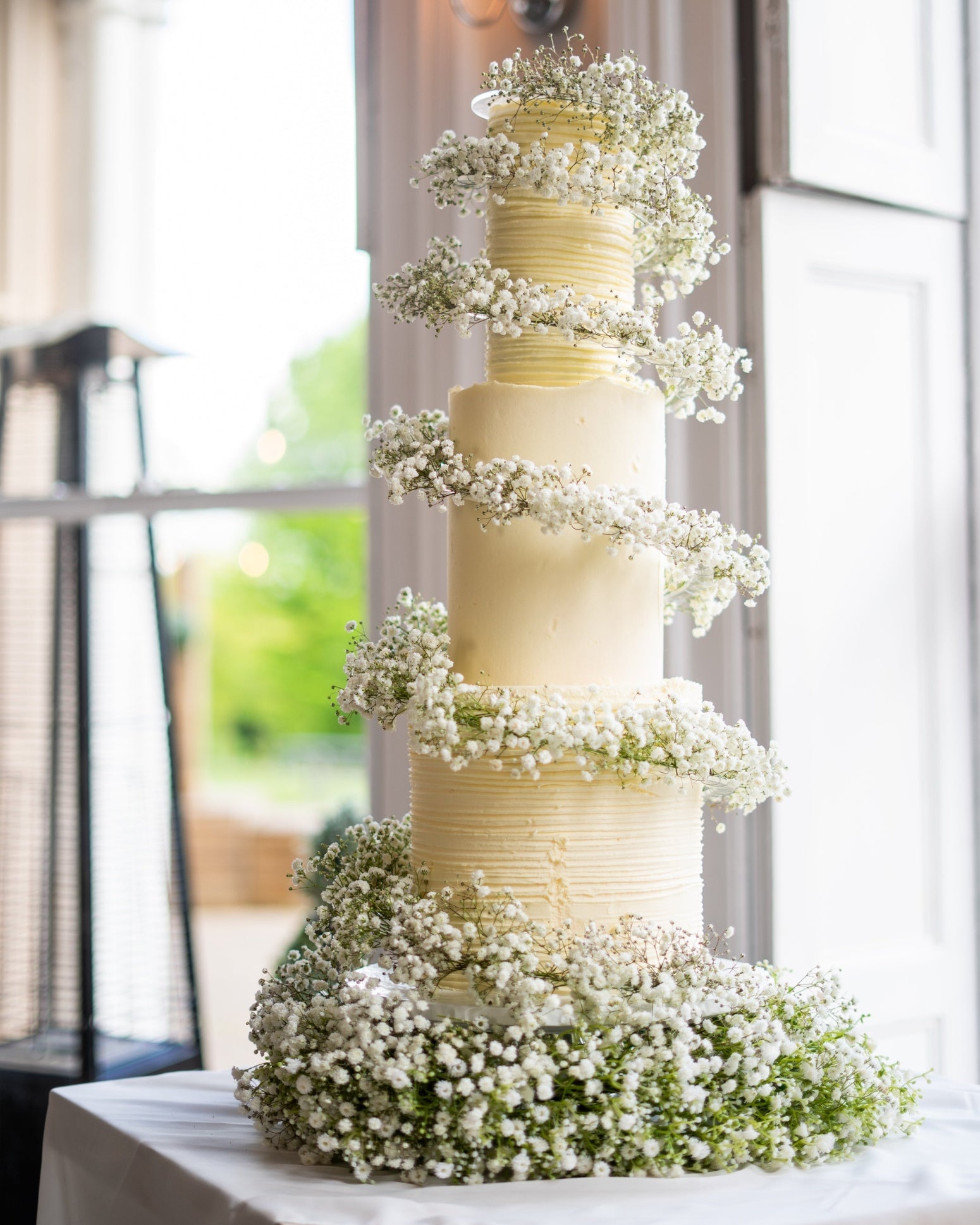
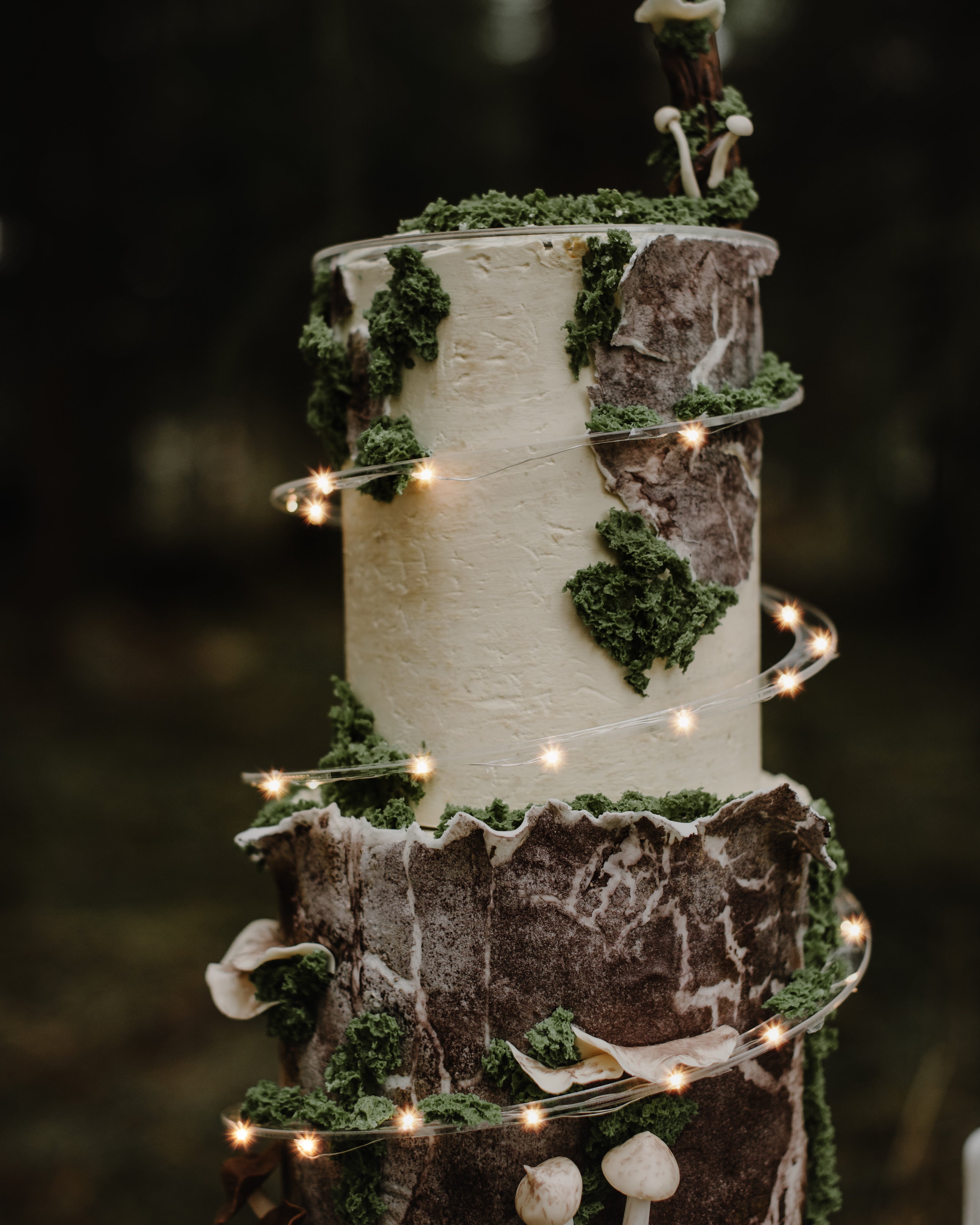
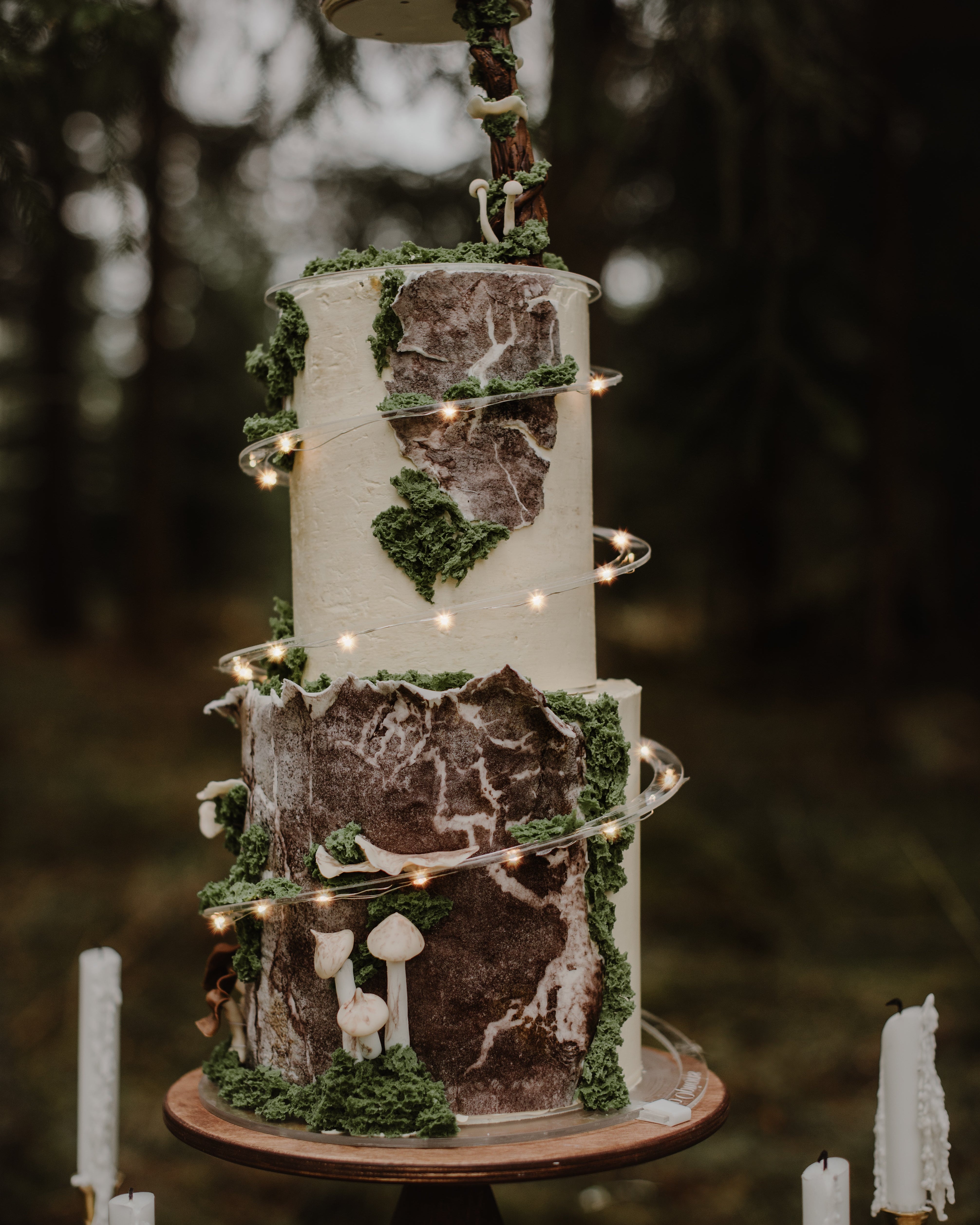
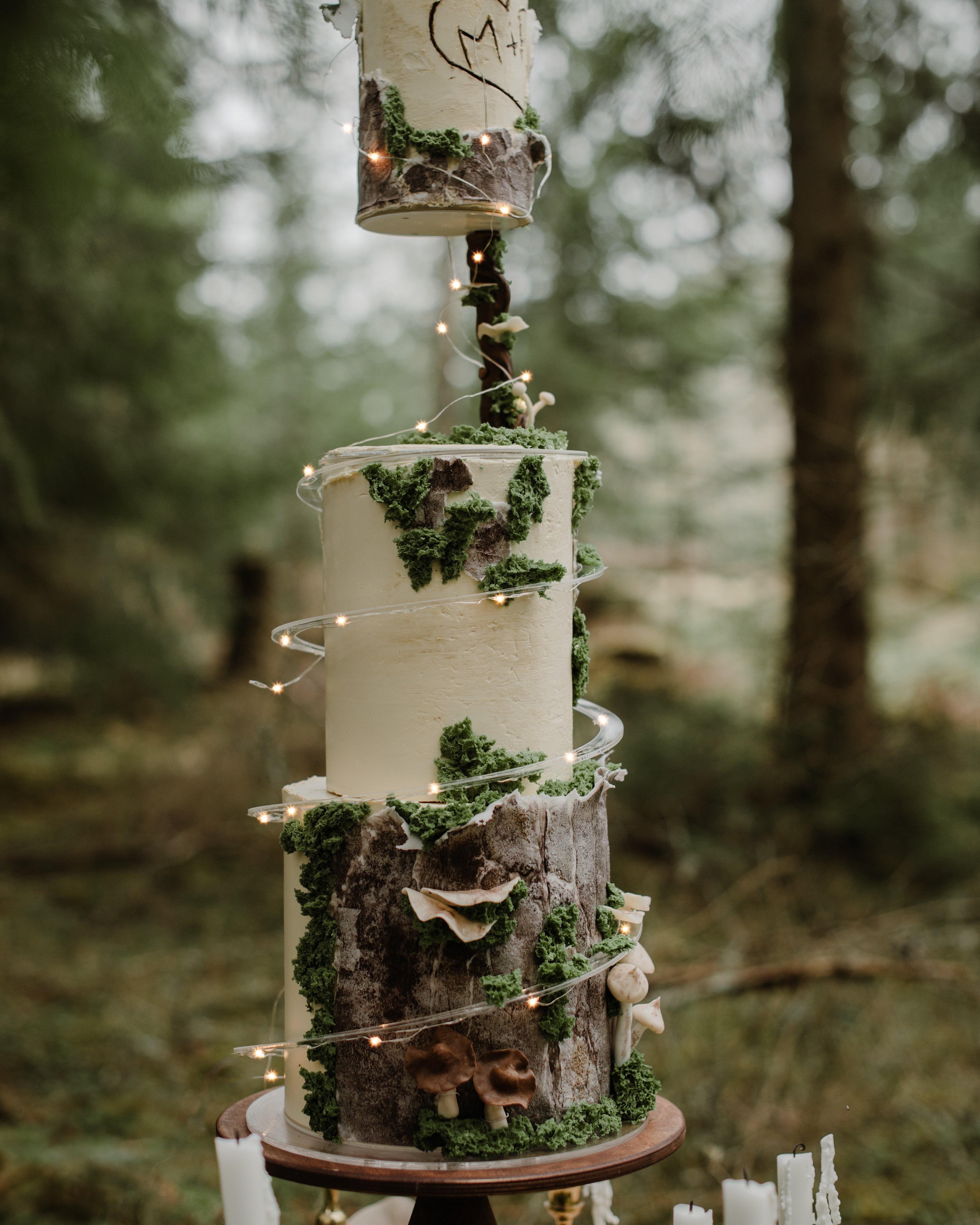
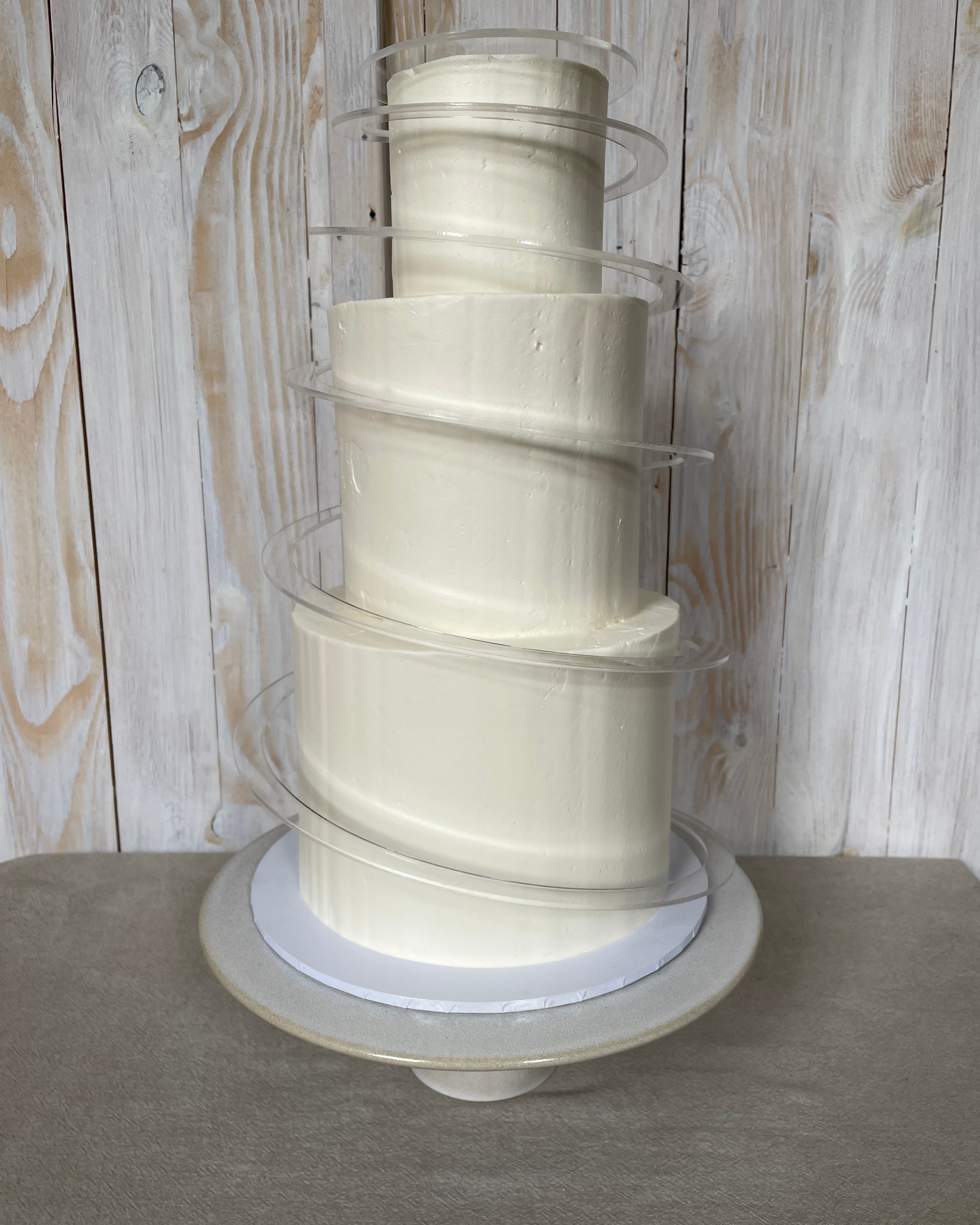
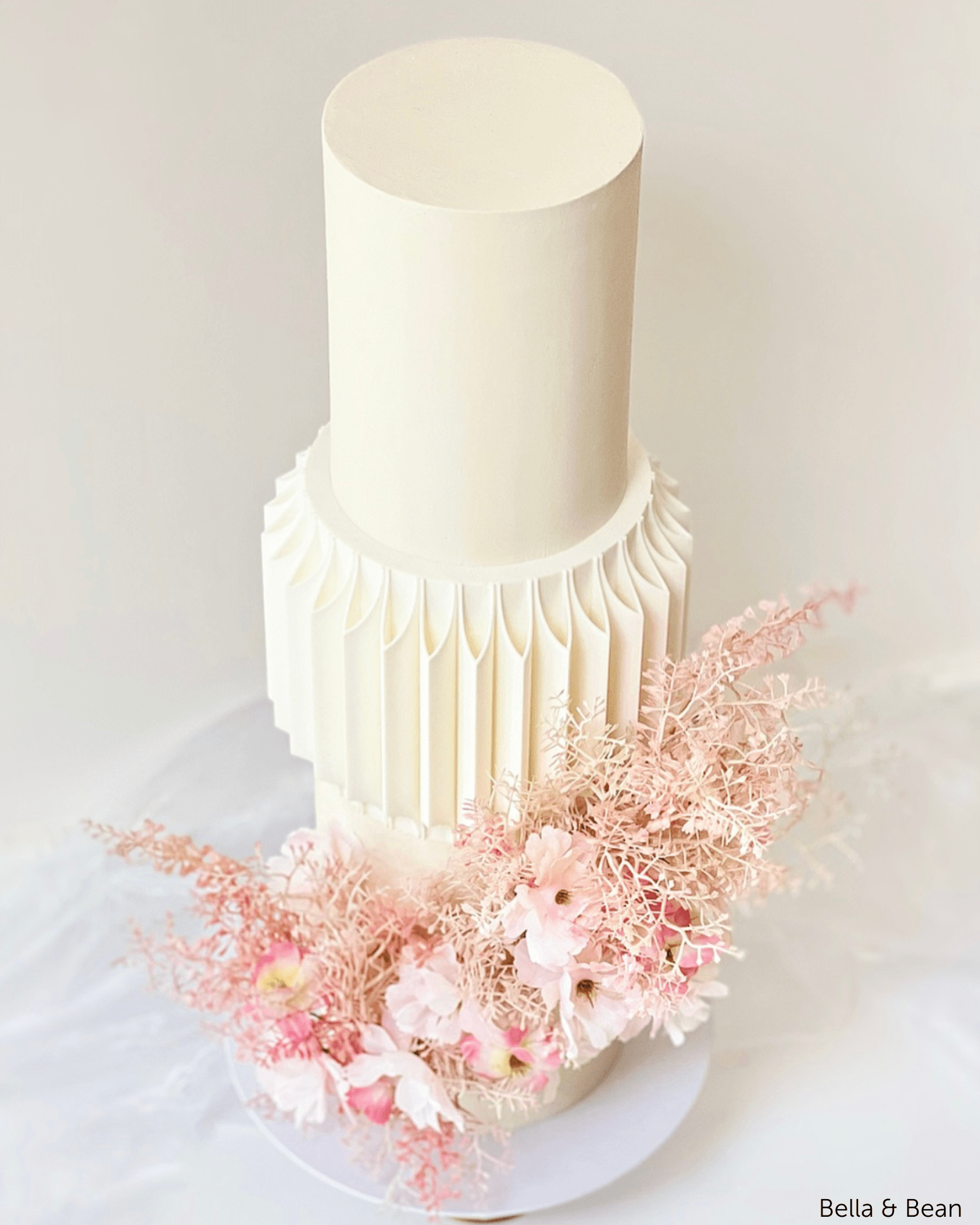
Not all angles are created equal when it comes to cake photography. Getting the angle just right can make a world of difference. For round cakes, a top-down shot (also known as a flat lay) works wonders, especially if you’ve decorated with intricate details on the top. For tiered cakes, a slight side angle can showcase the layers and height beautifully.

If you’re showcasing a slice, go for a side shot so you can highlight all those delicious layers inside. Experiment with a few different angles, and see which one best shows off the unique features of your cake.

5. Focus on the Details (Show Off Your Craftsmanship)

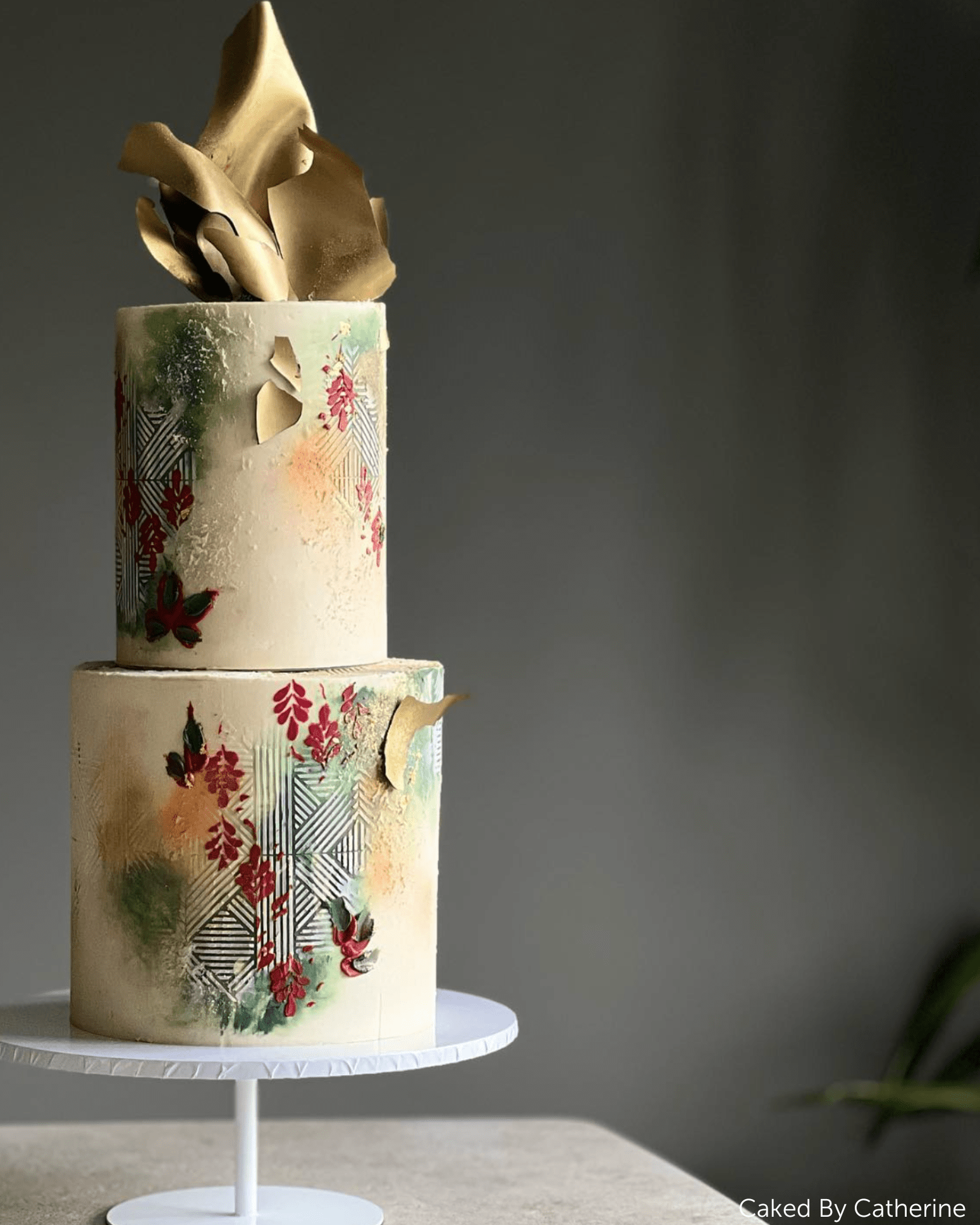
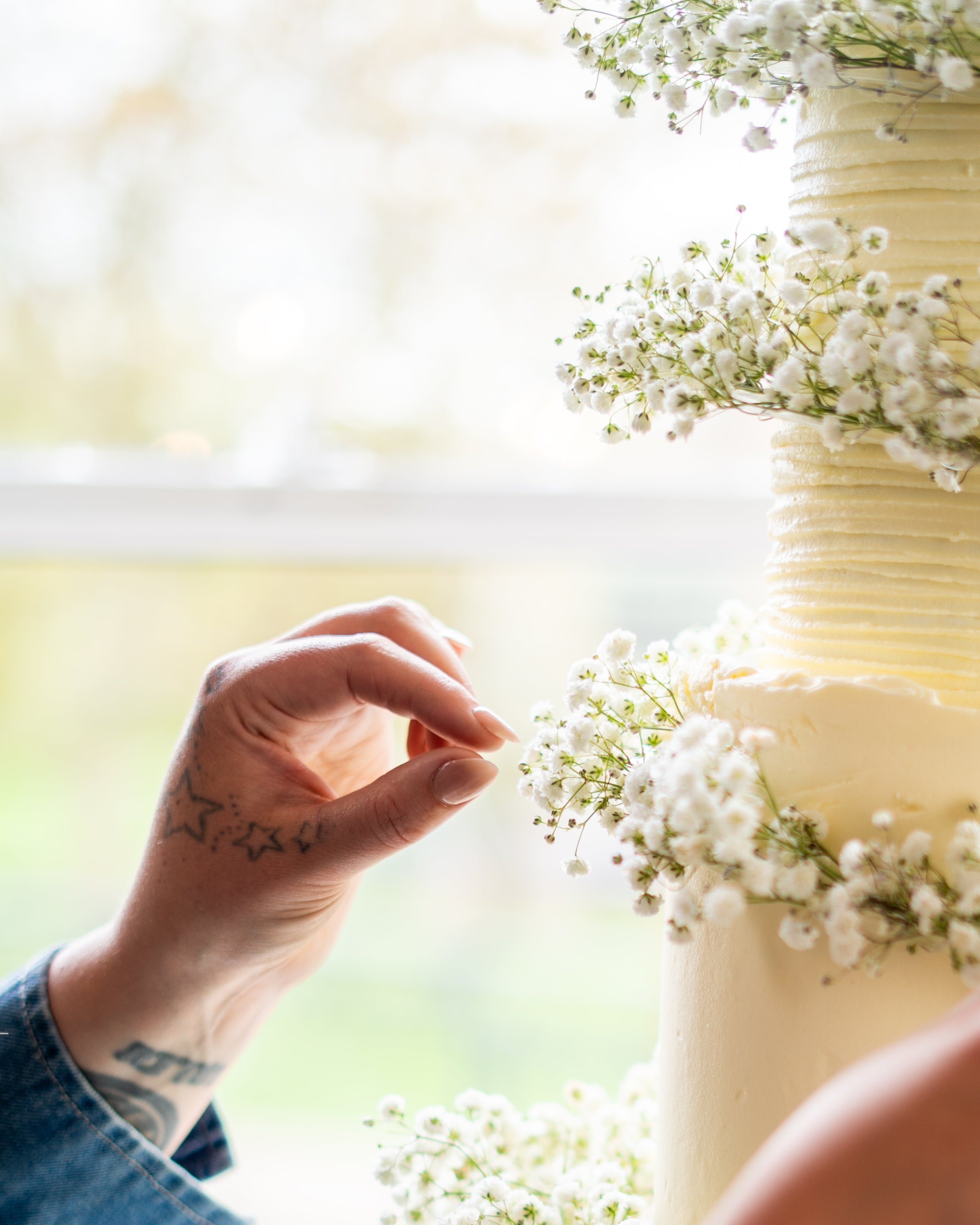
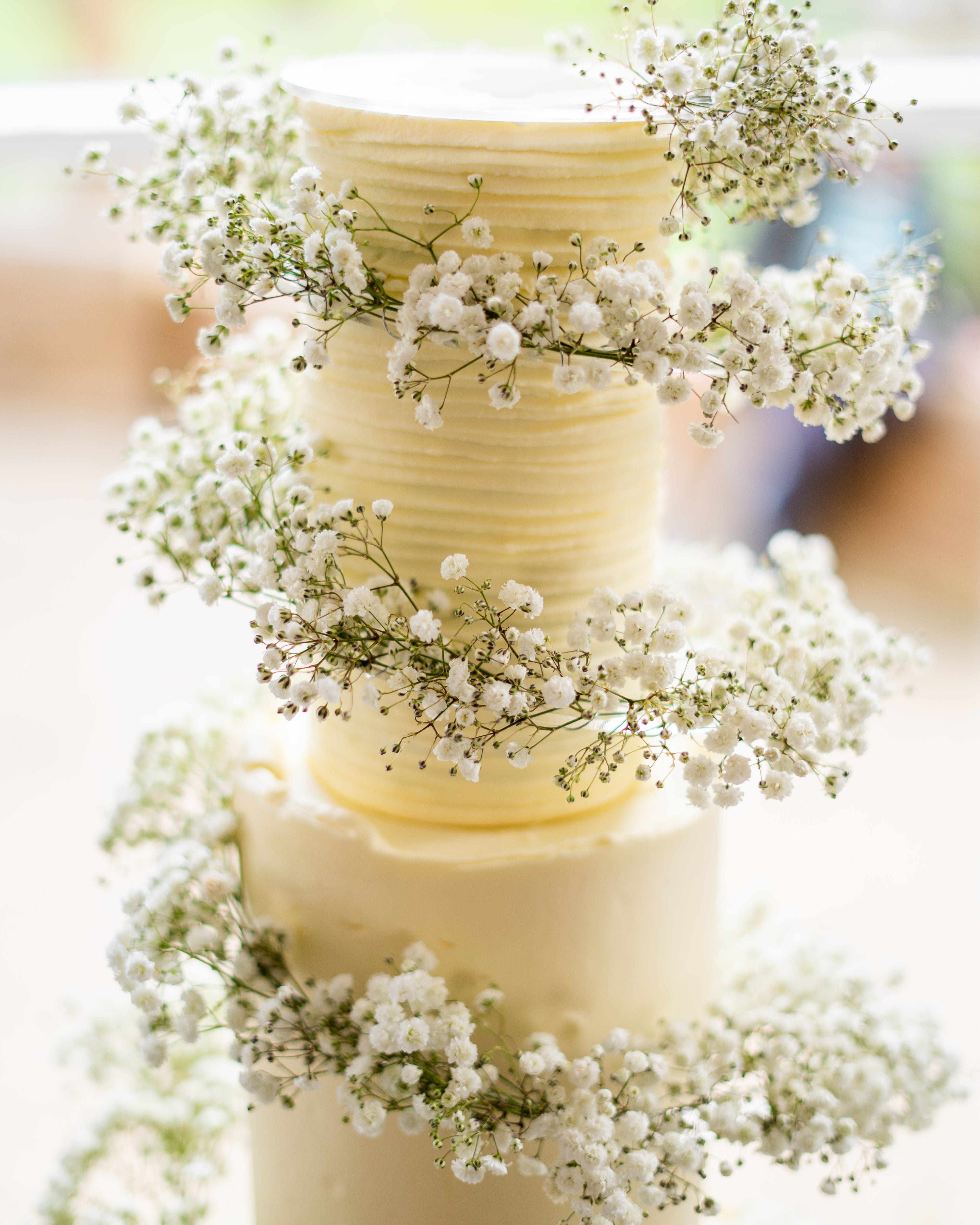
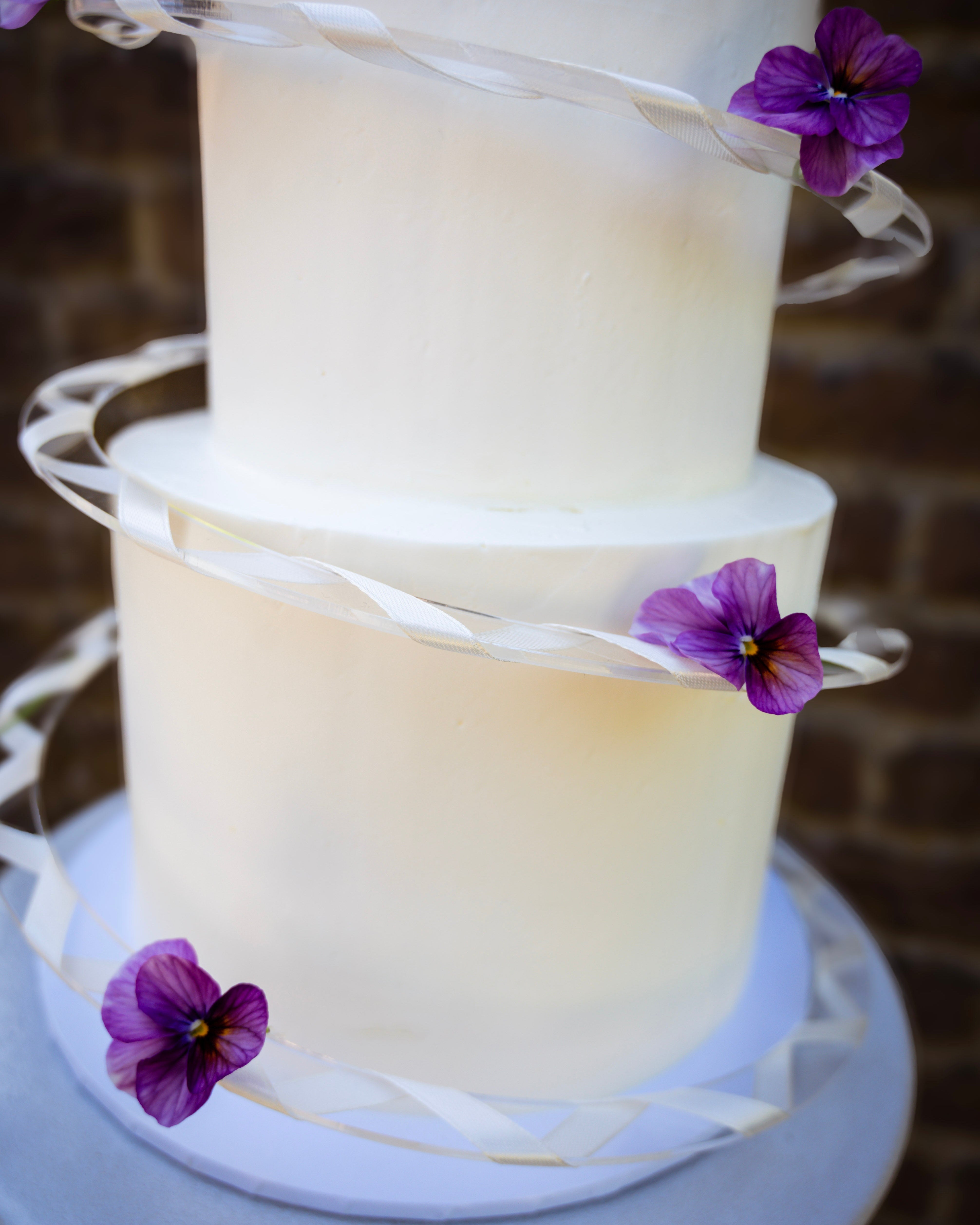
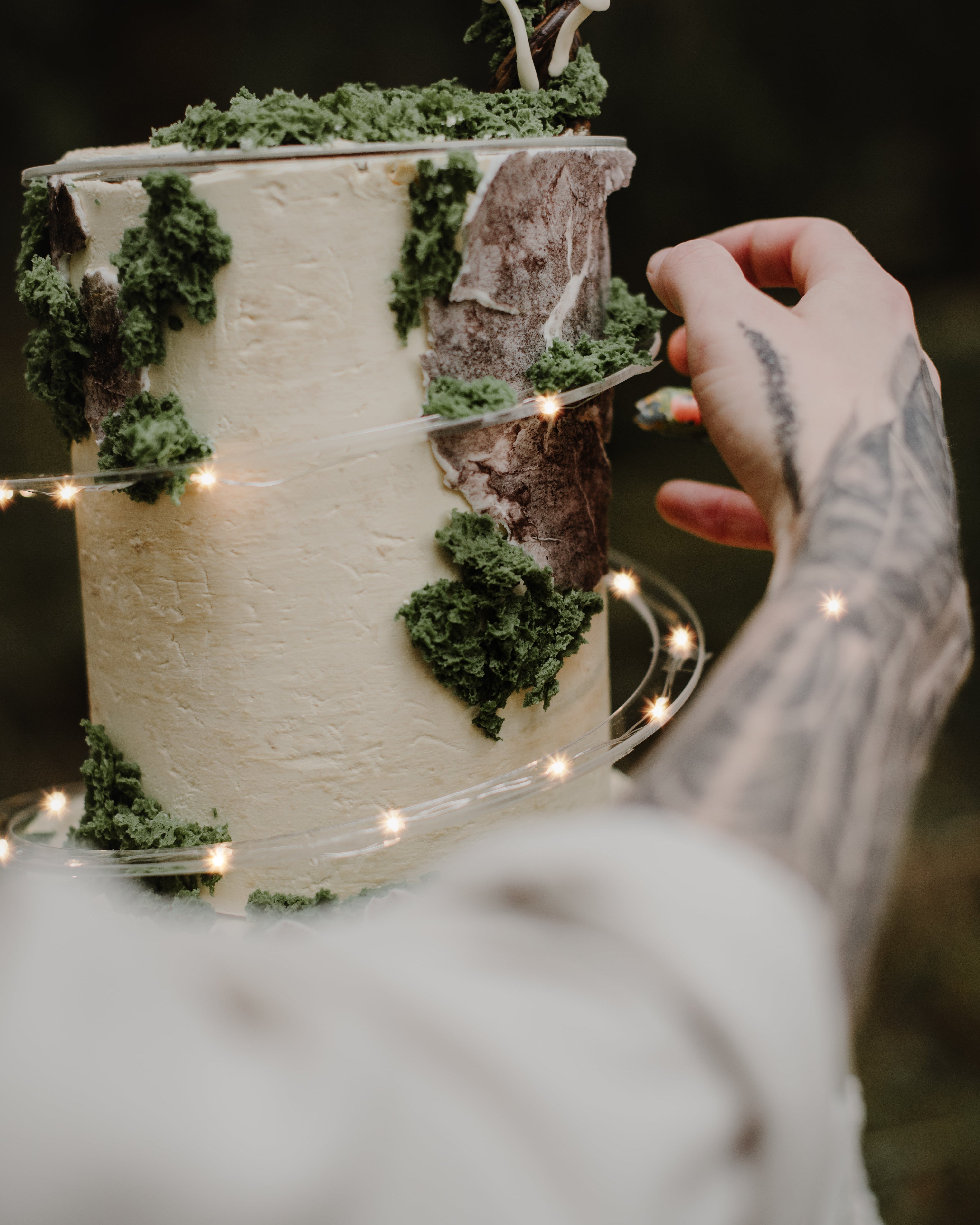
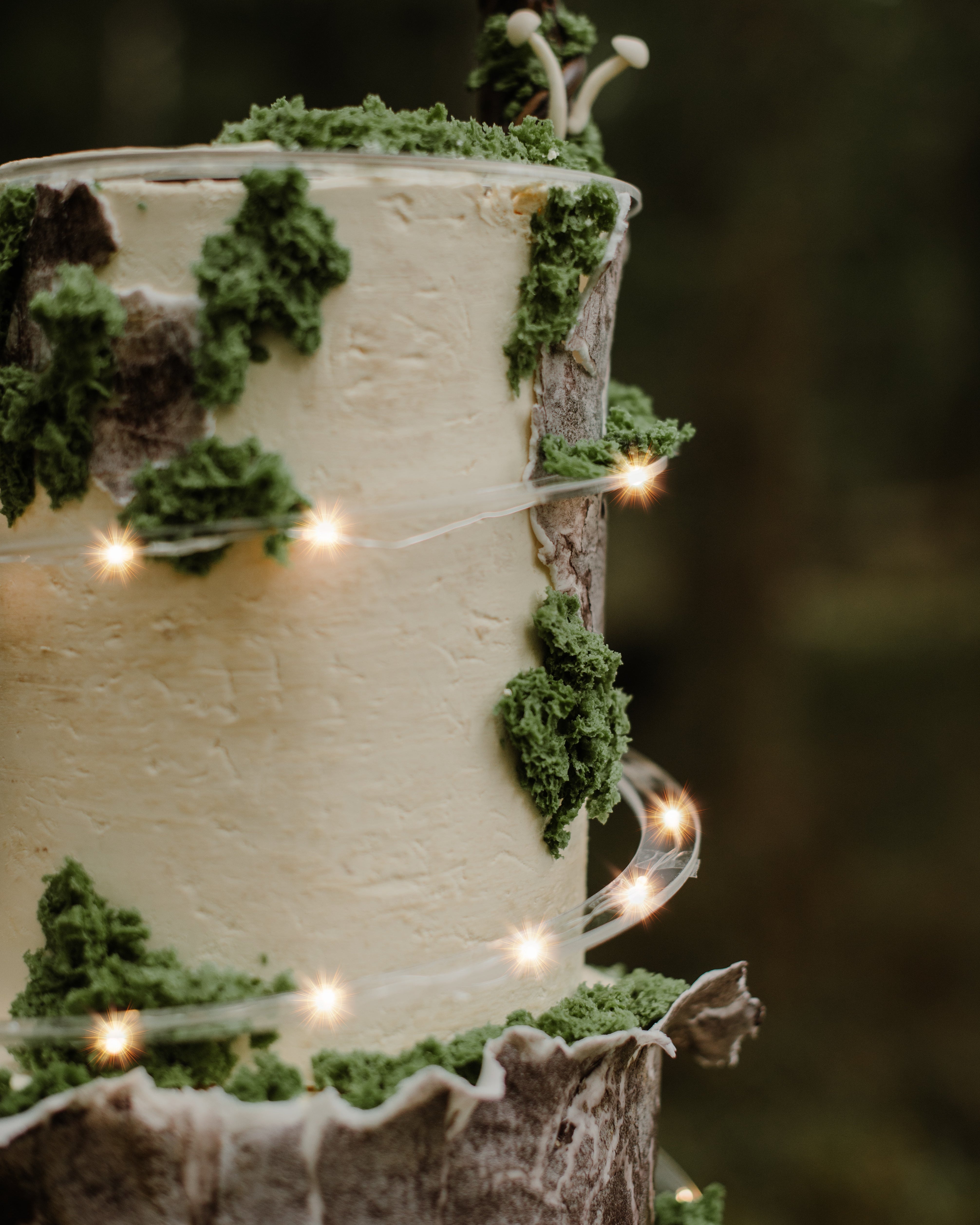
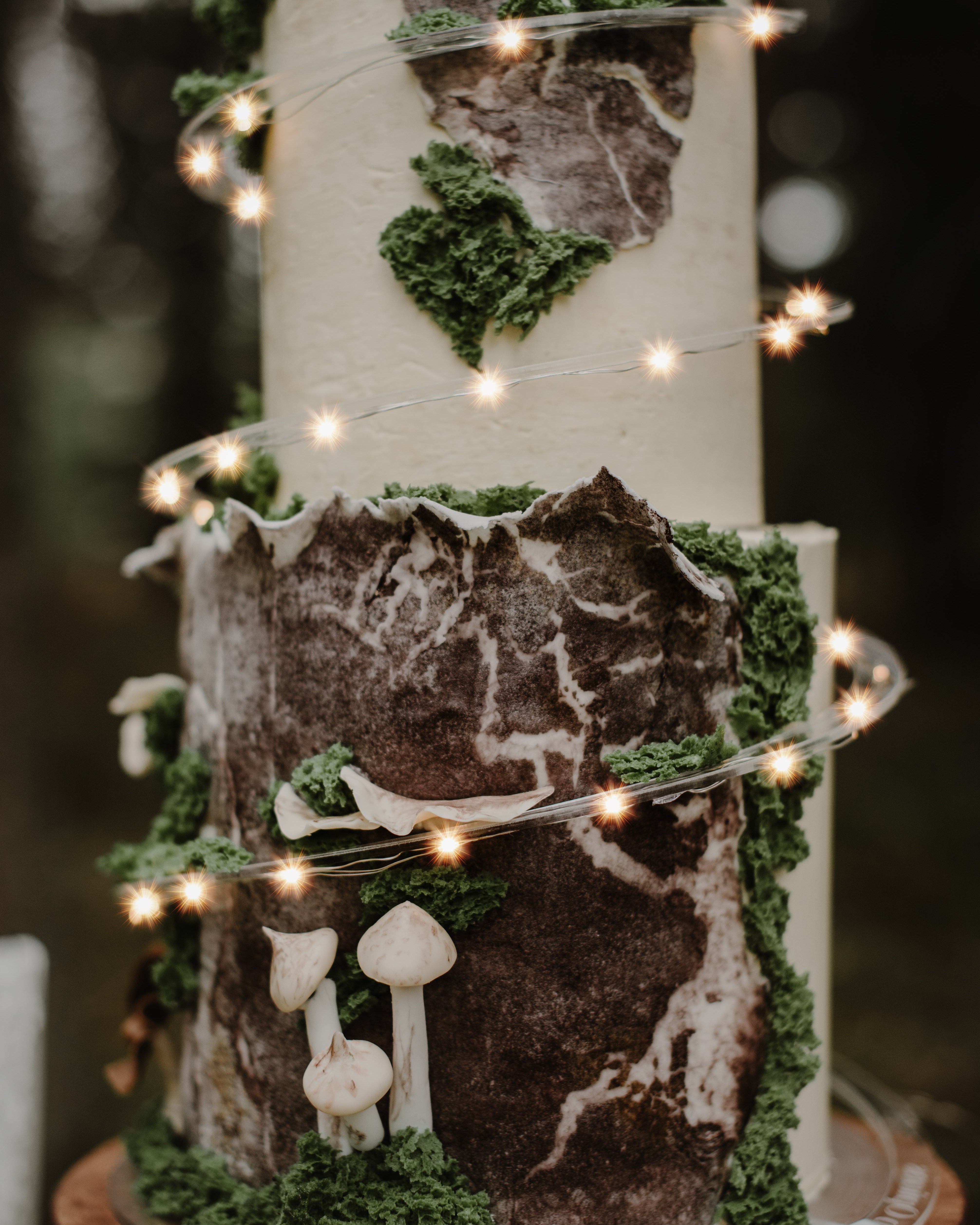
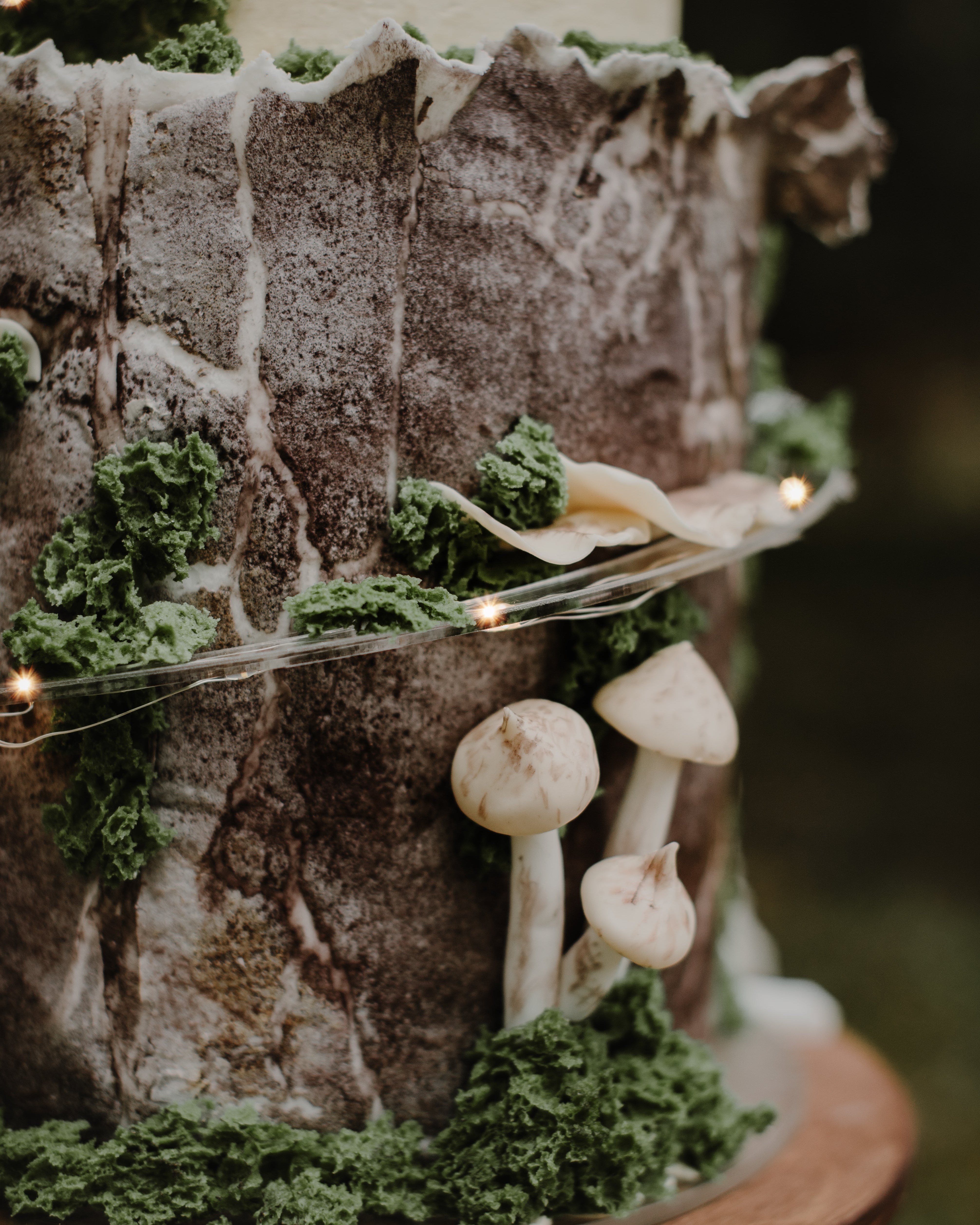
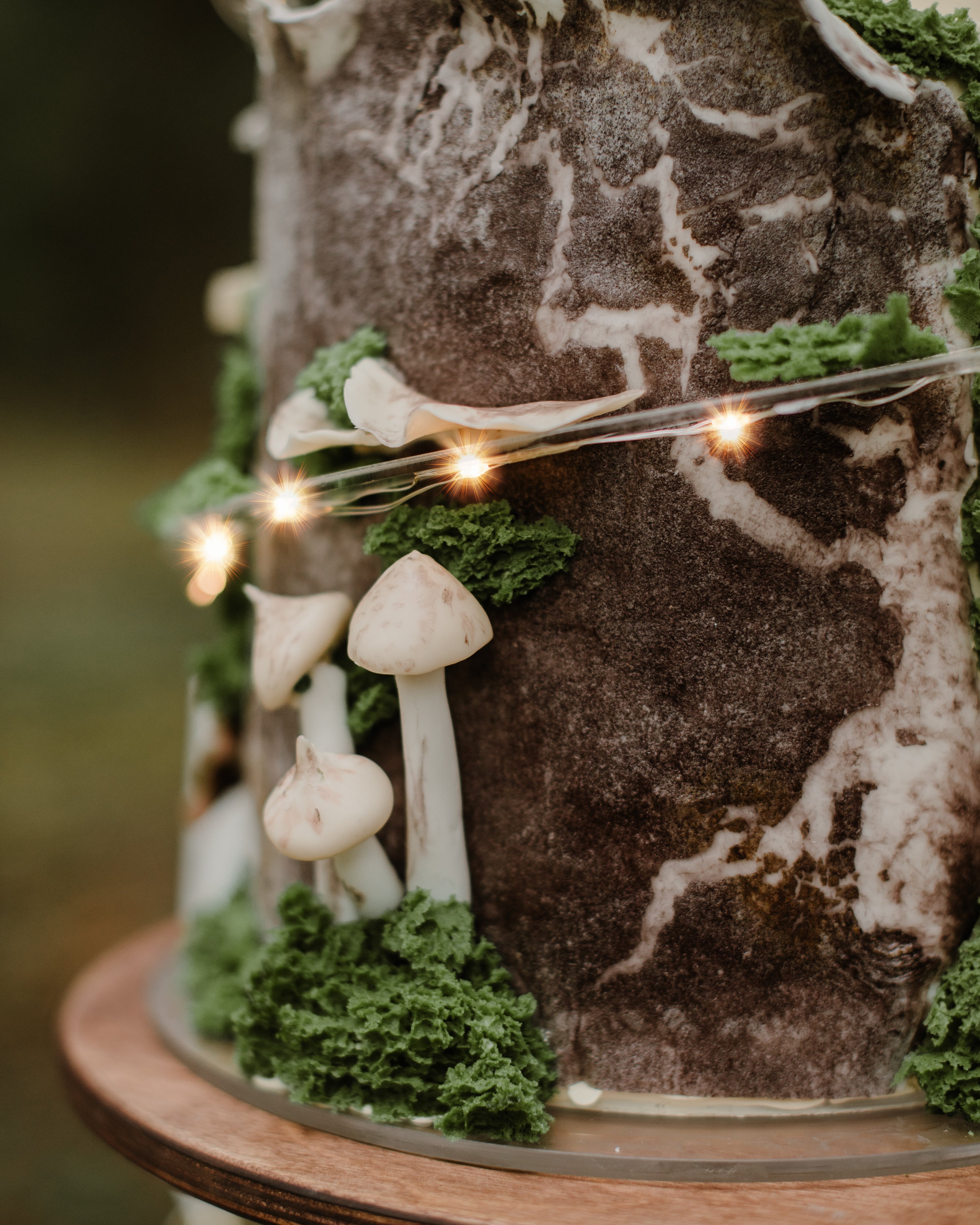
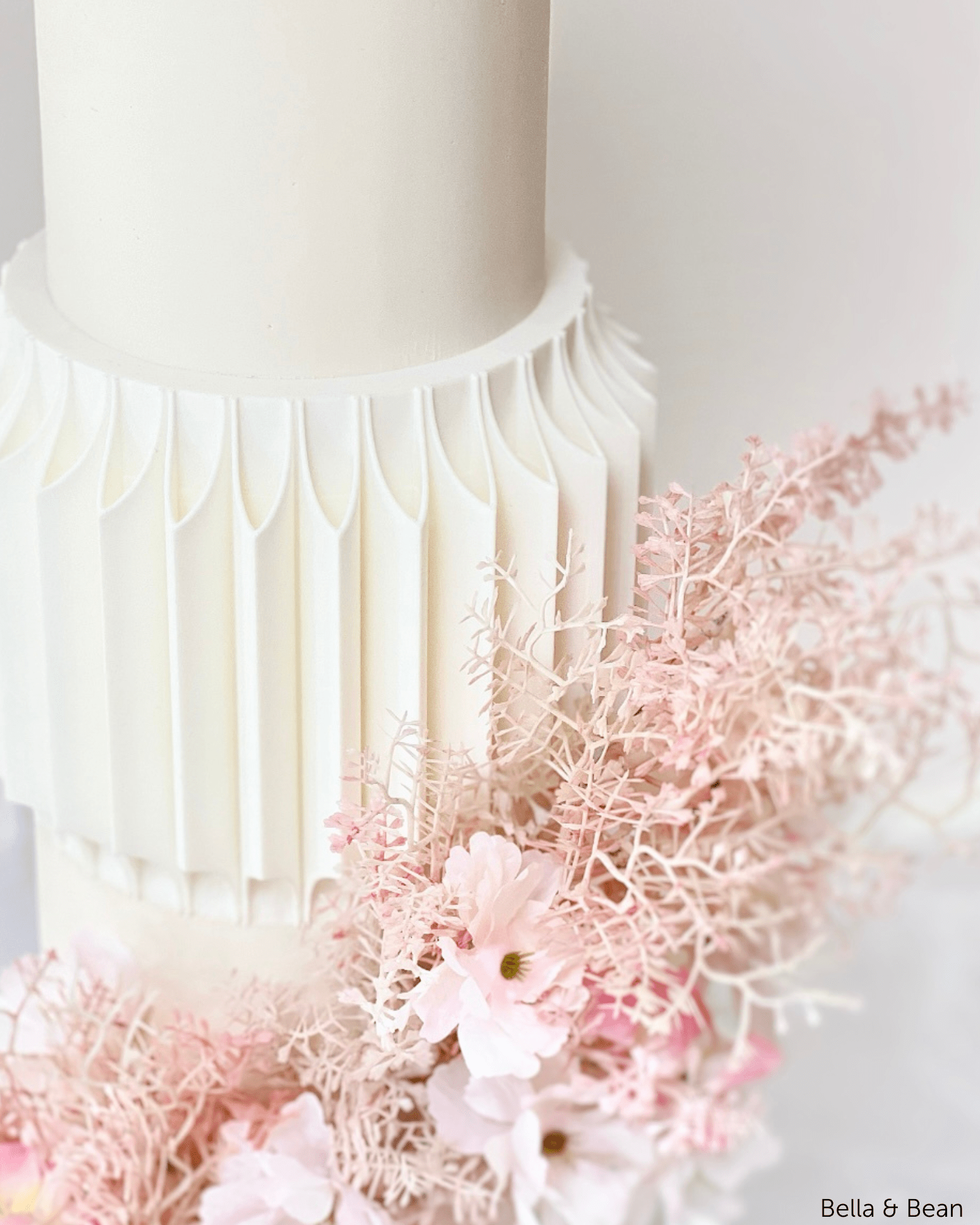
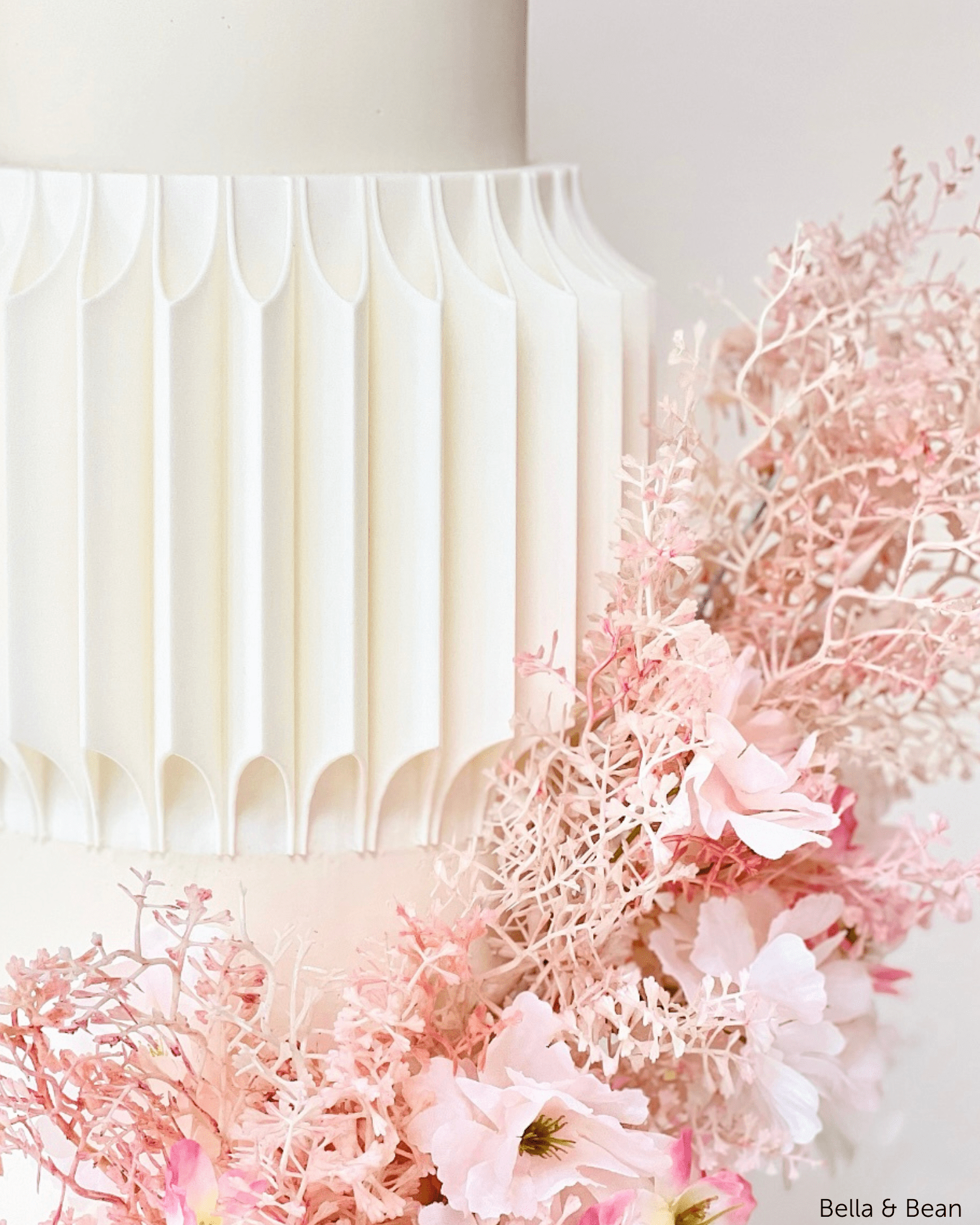
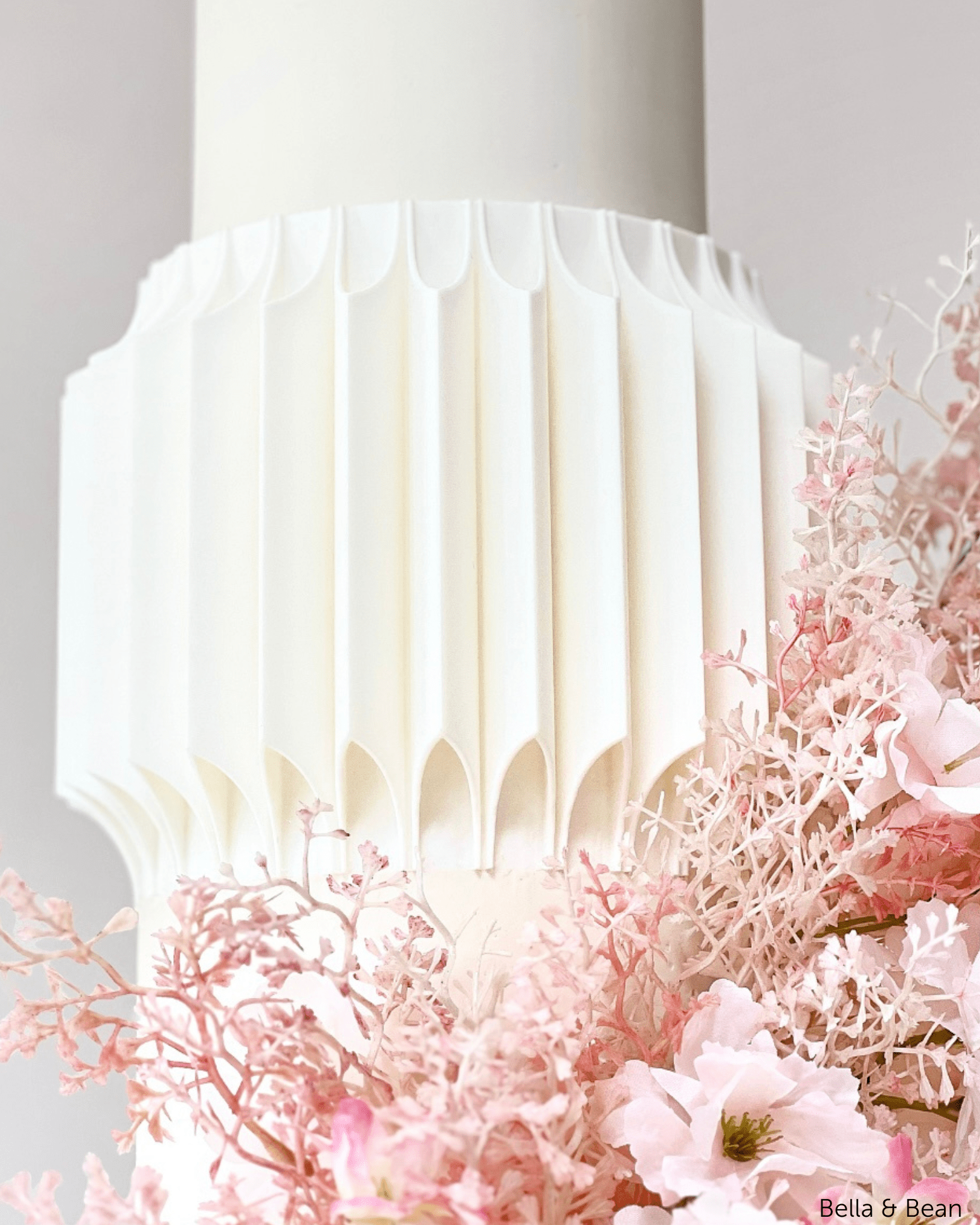
Cake decorating is all about the details—so your photos should be too! Whether it’s the delicate sugar flowers, the smooth buttercream, or the texture of the fondant, make sure to get in close and capture these details. A macro lens or the “portrait” mode on your smartphone can help you focus on the finer points while gently blurring the background for a professional look.

Zoom in on intricate piping, delicate edges, or a unique topper that makes your cake one-of-a-kind. This is where your artistic vision really shines!

6. Composition is Key (Think Rule of Thirds)

Let’s talk about composition for a minute (don’t worry, it’s not as technical as it might seem). A simple trick that will elevate your photos is the rule of thirds. Imagine dividing your frame into nine equal parts by drawing two horizontal and two vertical lines. Position your cake along one of those lines or at one of the intersections for a more balanced and visually pleasing shot.

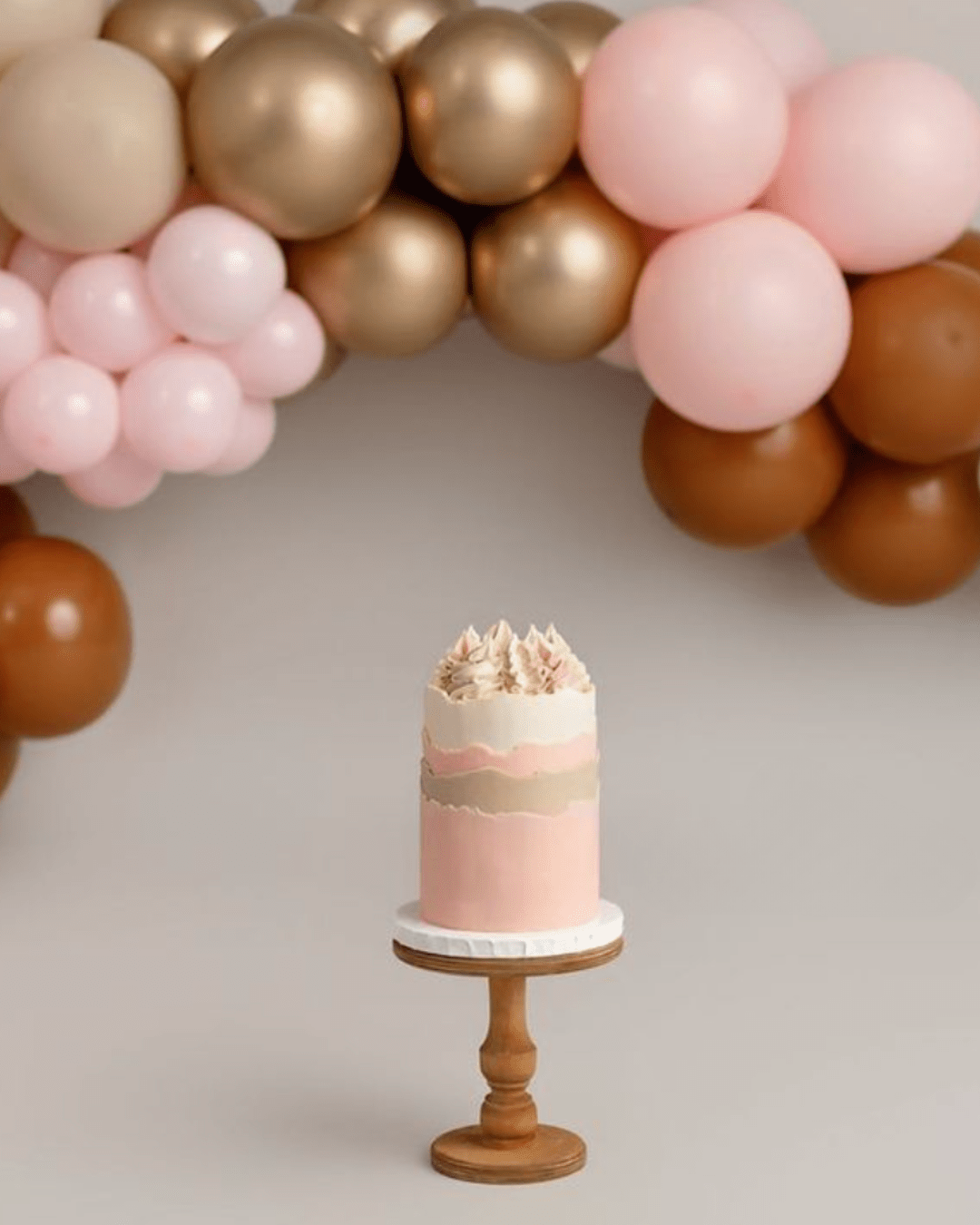
If you’ve got space around the cake, don’t be afraid to leave some negative space—it creates a clean, modern feel and allows your cake to be the focal point of the image.

7. Edit, But Don’t Overdo It

Once you’ve taken your photos, it’s time to bring out the best in them with some editing. Basic edits like adjusting brightness, contrast, and sharpness can make your cake look even more appetizing. But don’t go overboard—aim to enhance the photo, not transform it. Keep the colors true to life, and avoid using filters that could make your cake look unnatural.

If you’re editing on your phone, apps like Snapseed or Lightroom Mobile offer easy-to-use tools to fine-tune your images. Just remember, the goal is to make your cake look as delicious as it tastes!

Bonus Tip: Take Multiple Shots!

Don’t be afraid to experiment with different shots! Take several photos from various angles and perspectives. Sometimes, the perfect shot might come from an unexpected angle or a slight adjustment to the scene. By having a variety of shots, you can choose the one that truly showcases your cake in all its glory.

Wrapping Up: Let Your Cake Shine!

With these simple steps, you’ll be able to take your cake photography to the next level and show off your baking and decorating skills in a way that makes customers’ mouths water. Remember, you don’t need to be a professional photographer to capture stunning images—just a little planning, creativity, and practice. So, grab your camera or phone, set up that beautiful cake, and start snapping! Your next masterpiece deserves to be showcased in all its glory.

Happy baking, snapping, and sharing your sweet creations with the world! 📸🍰✨

Amanda Lee is one of our esteemed brand ambassador and an award-winning cake designer, educator, and founder of Sugar Sugar Cake School. With a background in French pastry and a passion for innovation, Amanda brings her expertise, energy, and industry recognition to the Prop Options family, inspiring bakers around the world.

Cake Decorating · Photography

7 Steps to Improve Cake Photography for Bakers and Cake Decorators

A clear, repeatable method for photographing your cakes so the image carries the same detail and presence as the cake in the room.

A cake styled on a Prop Options birch cake stand, lit by soft natural window light for photography
Soft natural light and a clean stand do most of the work before you even take the shot.

As a baker or cake decorator, you already know how much skill goes into each cake, from the buttercream finish to the fondant detailing and the colour palette. The question is whether your photos carry that work as clearly as the cake does in person. Strong cake photography is what turns a finished cake into an image that wins the next commission, and you do not need a professional camera to get there.

These seven steps cover the choices that make the biggest difference: light, background, props, angle, detail, composition and a light hand with editing. Work through them in order and your cake photos will start to look considered rather than snapped.

The short version
  • Shoot in soft, natural window light, early or late in the day.
  • Keep the background simple so the cake stays the subject.
  • Stage the cake on a cake stand or plinth, with one or two restrained props.
  • Match the angle to the cake: flat lay for round, side-on for tiers and slices.
  • Get in close for detail, use the rule of thirds, and edit with a light touch.

1. Light it well: natural light is your best friend

The first rule of cake photography is light, and then more light. You do not need studio kit; soft natural light does the work. Find a spot beside a window where the light falls evenly, and on a bright day hang a sheer curtain to diffuse it and soften harsh shadows. Early mornings and late afternoons give the most flattering light of the day. If you are shooting on a phone, tap the cake in the focus area so the exposure sets for the cake and the colours hold true.

2. Choose a simple, clean background

Keep the background quiet. If the cake is the subject, the background is the supporting act, not a second focal point. White walls, wooden tables and soft fabric backdrops all work, and a textured surface such as marble or stone adds interest without noise. Keep any colour subtle so nothing competes with the cake. For a wedding cake, a little greenery or a few flowers in the frame can support the design rather than distract from it.

3. Use props, the right ones

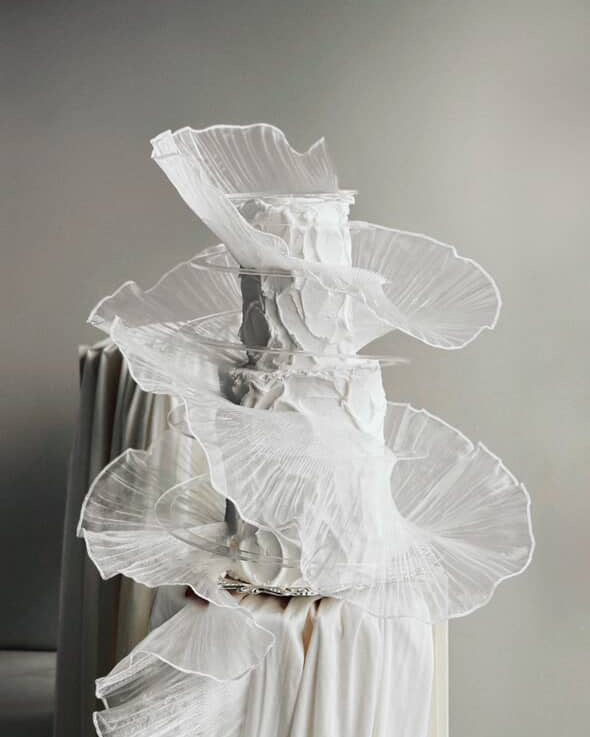
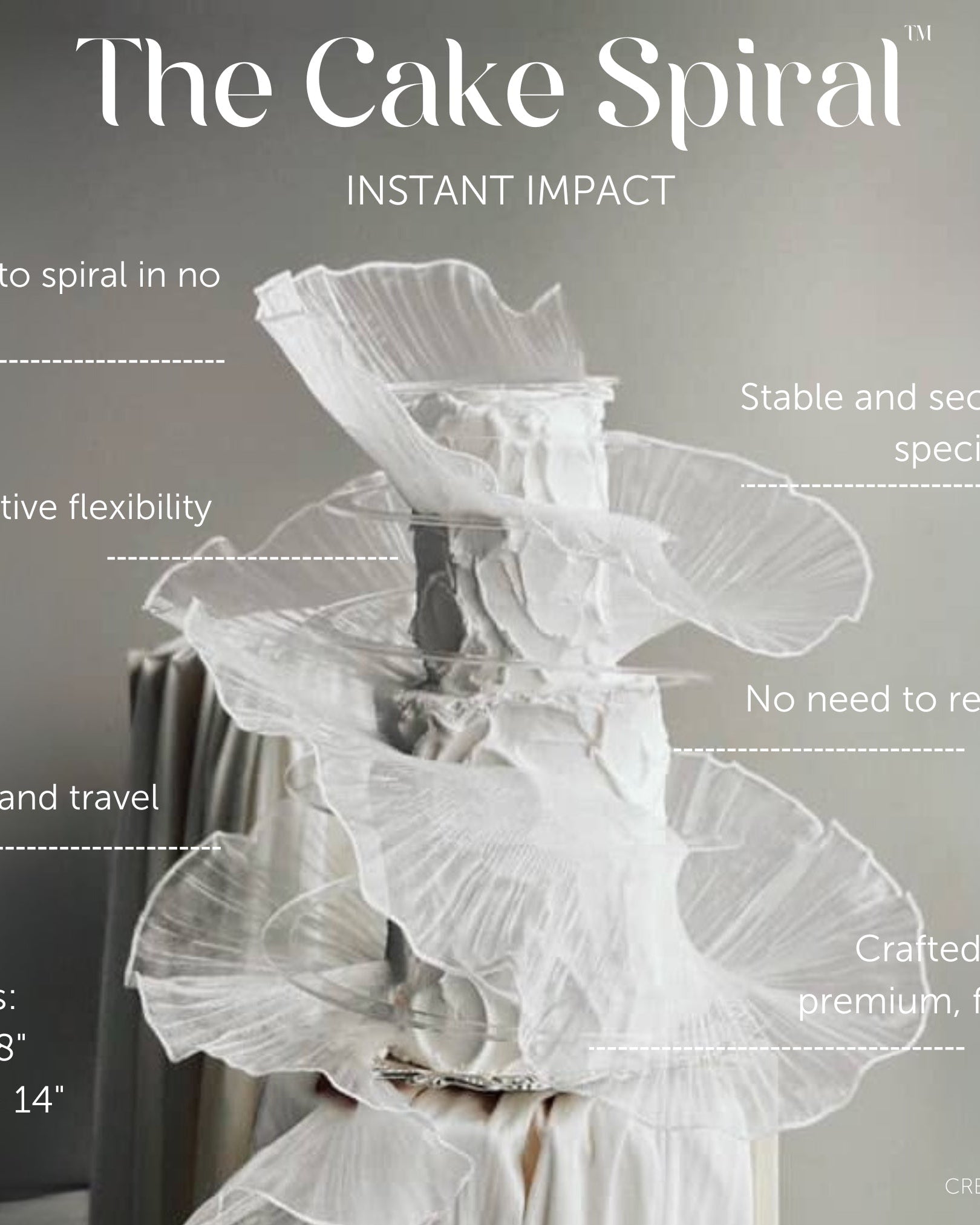
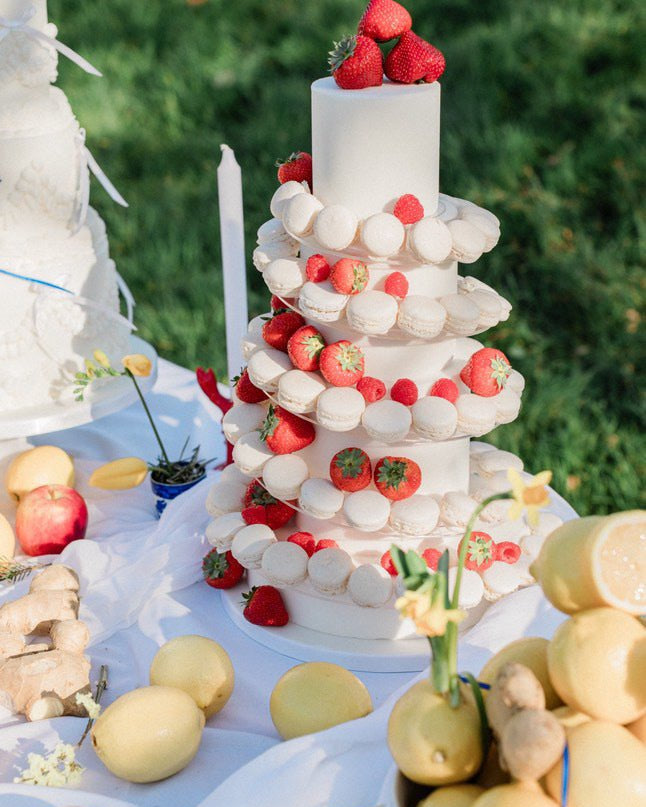
Props are the seasoning of the shot. The right one lifts the image; a dated or mismatched piece pulls the eye away from the cake. A cake stand, plinth or cake plate gives the cake a stage, and a considered addition such as fresh flowers or a clean cake knife completes the scene. Be selective. We would point you to the Prop Options cake stands and separators to find a stand that suits the cake rather than fights it.

The aim is to complement, never compete. A rustic cake sits well with a few sprigs of lavender or greenery; a modern, geometric design suits a clean metal stand from the Geometric Collection and minimal styling. Keep it considered and keep it simple, so every object in the frame earns its place.

4. Find the right angle

Not every angle flatters every cake. For round cakes, a top-down flat lay works well, especially when the detail sits on the top surface. For tiered cakes, a slight side angle shows the height and the proportion between tiers. If you are photographing a slice, shoot side-on to reveal the layers inside. Try a few angles on each cake and keep the one that shows its strongest feature most clearly.

5. Focus on the detail

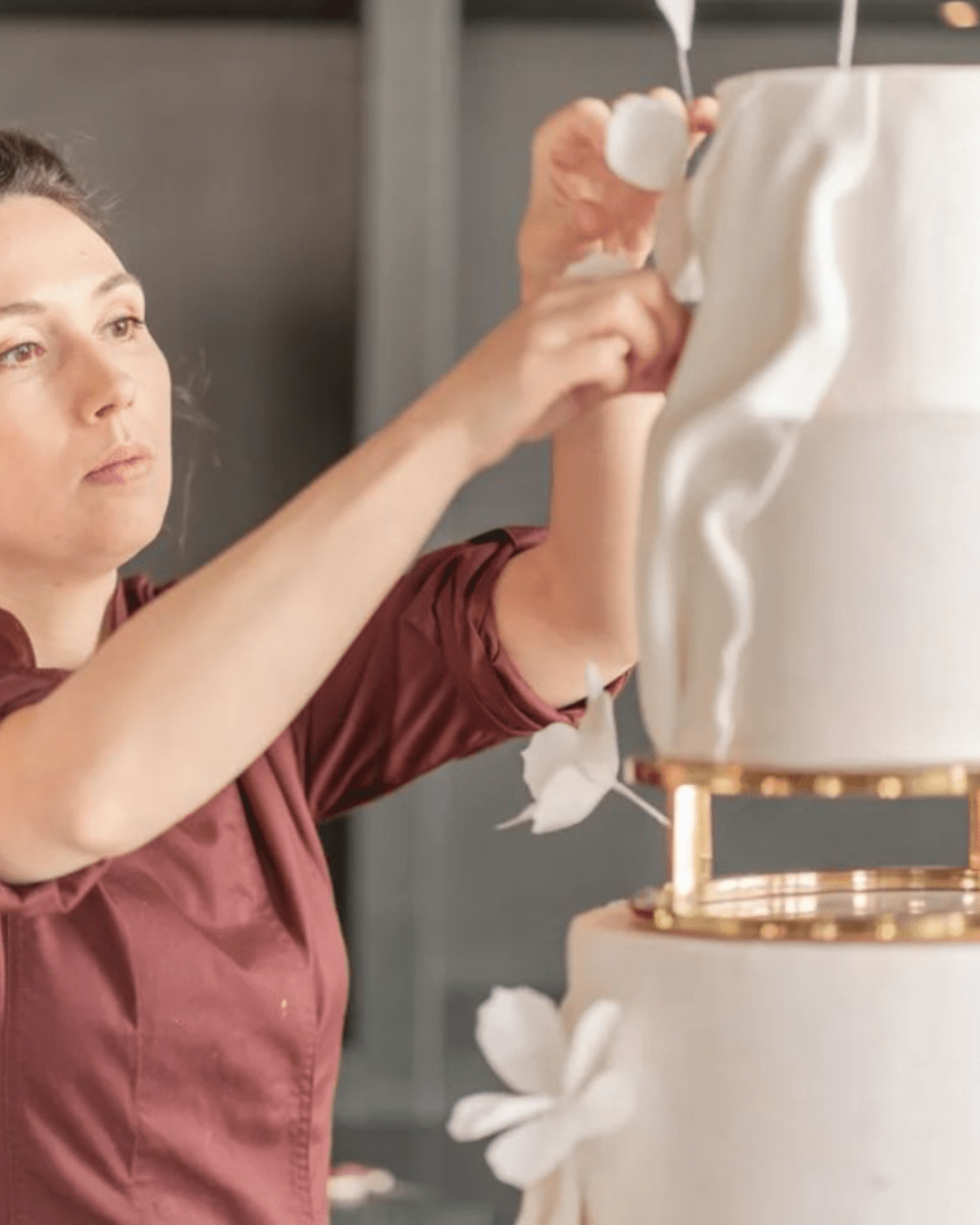
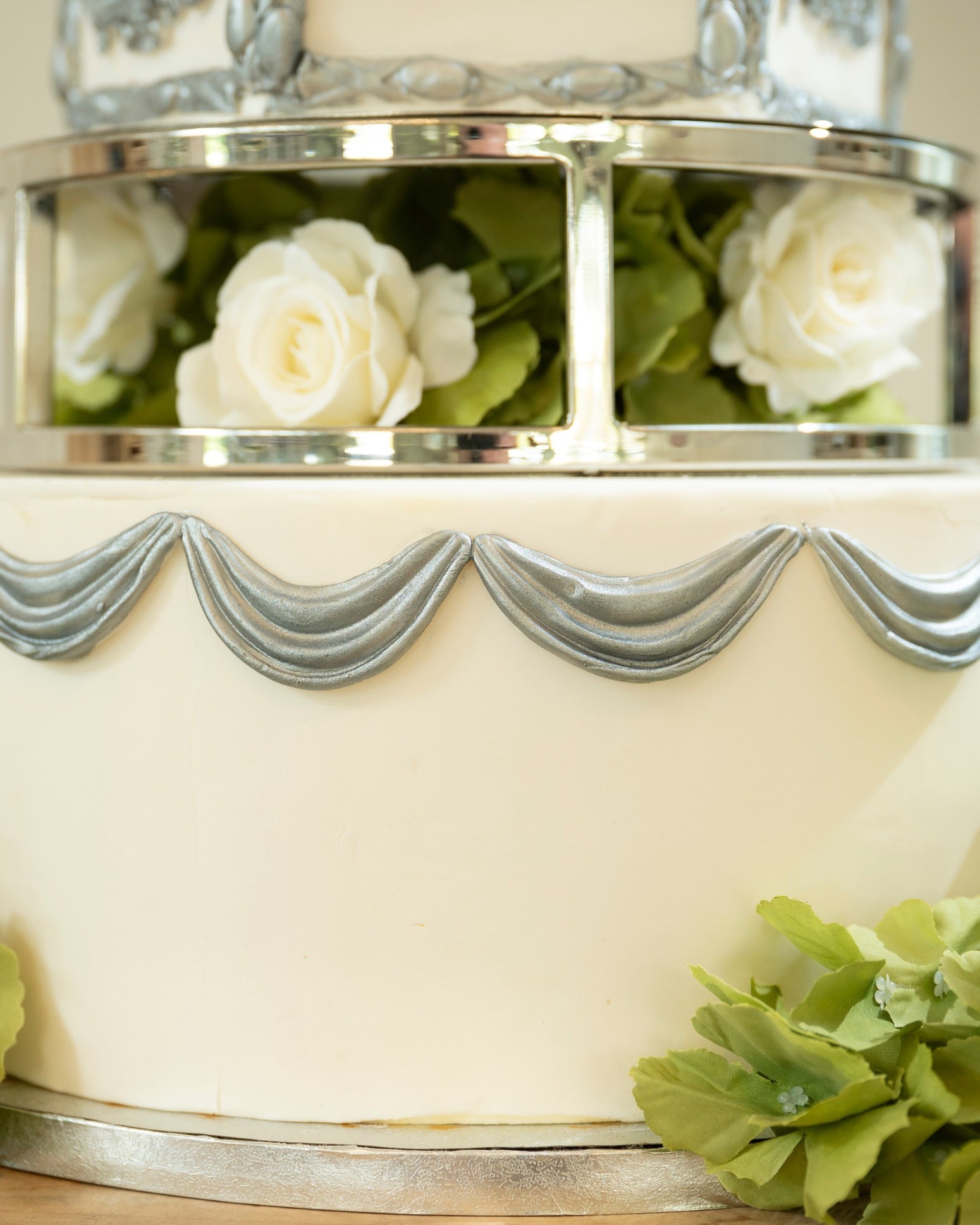
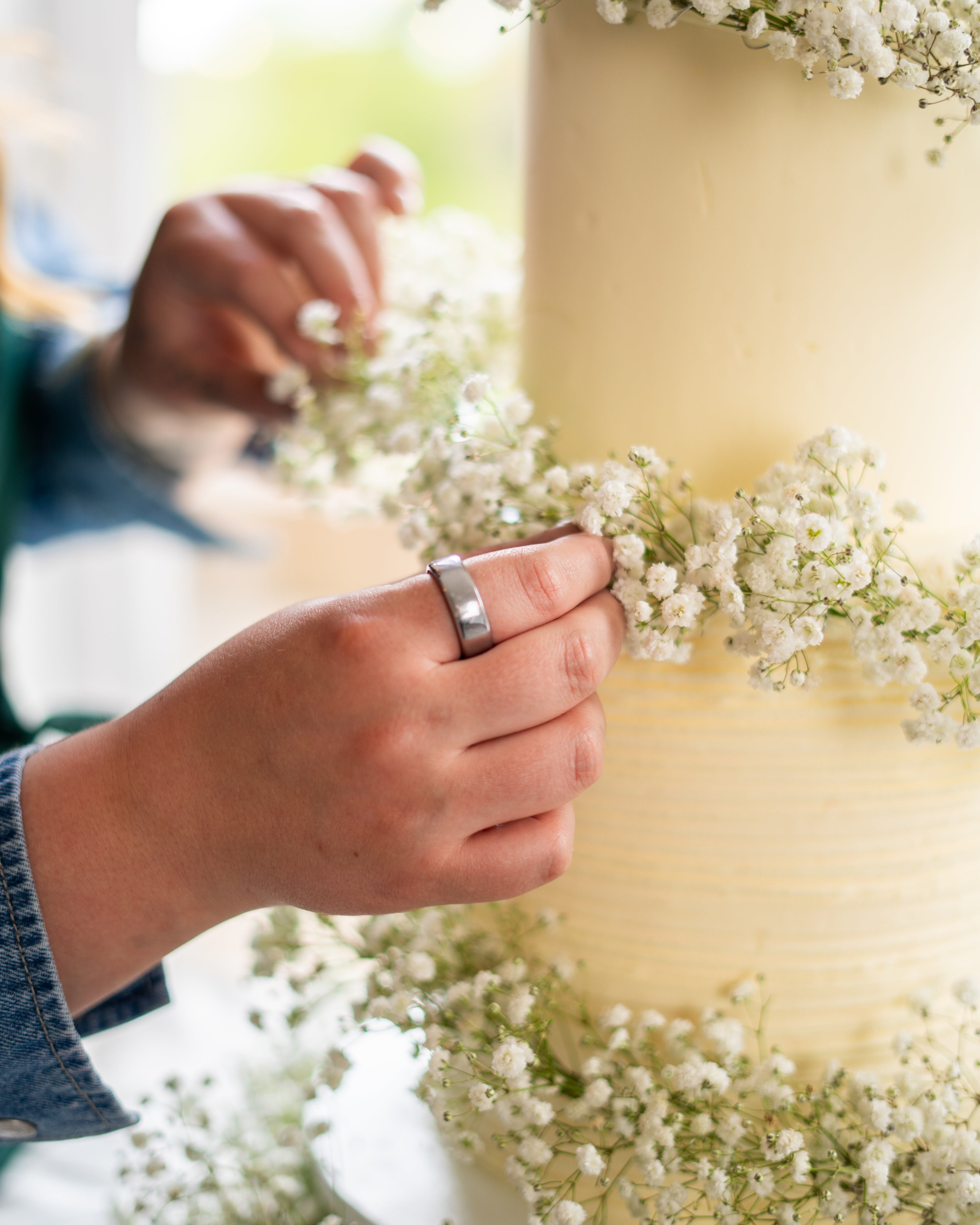
Cake decorating lives in the detail, so the photographs should too. Whether it is sugar flowers, a smooth buttercream finish or the texture of pressed fondant, move in close and capture it. A macro lens, or portrait mode on a smartphone, holds focus on the fine work while softening the background for a cleaner, more professional result. Move in on the piping, the edges, or a one-off topper. This is where the design reads as yours.

Photograph the detail the way you decorate it: deliberately, and close enough to see the hand behind it.

6. Compose with the rule of thirds

A little composition goes a long way. Picture the frame divided into nine equal parts by two horizontal and two vertical lines, then place the cake along one of those lines or on an intersection rather than dead centre. The result feels more balanced and more considered. Where you have room around the cake, let some negative space sit in the frame; it reads as clean and modern, and keeps the cake as the clear focal point.

7. Edit, but with a light hand

Editing should bring out the cake, not rebuild it. Small adjustments to brightness, contrast and sharpness make a cake look fresher and more appetising. Keep the colours true to life and avoid heavy filters that make the finish look unnatural. On a phone, apps such as Snapseed or Lightroom Mobile give you precise control without much effort. The goal is simple: the cake should look as good on screen as it tasted in the room.

Bonus: take more shots than you think you need. Work through several angles and setups for each cake. The strongest frame often comes from an unexpected angle or a small adjustment to the scene, and a wider set gives you a real choice when it is time to publish.

Bringing it together

With these steps in hand you can photograph your cakes in a way that does justice to the work and brings in the next enquiry. You do not need a professional camera, only a little planning, a considered setup and some practice. Set the cake on the right stand, find the light, and start shooting; your next design deserves to be seen at its best.

Give your cakes a stage worth photographing

Explore cake stands, plinths and separators in wood, metallic and acrylic finishes, built to carry a centrepiece on camera and in the room.

Shop Cake Stands & Separators